The story of Bangladesh is often told as a triumph of garment exports and microfinance. This is a surface-level truth that obscures a deeper, more volatile reality. For fifteen years, the nation operated under a brutalist social contract: the trade of political liberty for economic predictability. This was not merely a domestic arrangement; it was a calibrated geopolitical strategy designed to make Bangladesh indispensable to the Western consumer and the Indian security establishment. However, the very mechanisms that drove the 'miracle'—centralised executive power and a singular focus on low-end manufacturing—have now become the primary threats to its stability.
The Architecture of the Export Machine
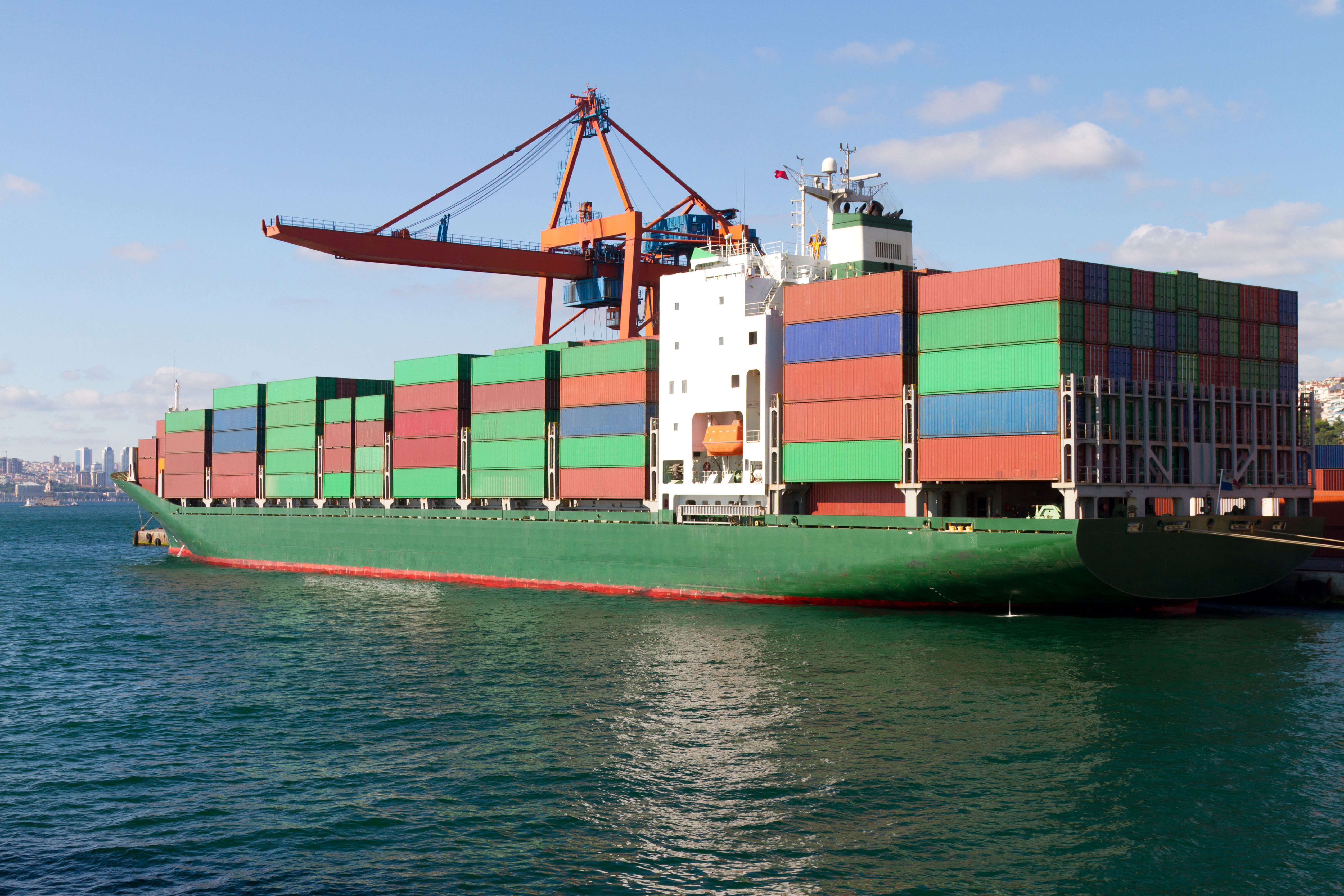
To understand why Bangladesh is currently at a crossroads, one must look at the geography of its supply chains. The state prioritised a specific type of 'extractive stability'. By suppressing wage volatility and ensuring industrial peace through a strictly controlled political environment, Dhaka offered global retailers a cheaper, more reliable alternative to China. This was the incentive: global capital would overlook democratic backsliding as long as the T-shirts kept moving.
This growth was fuelled by four pillars: cheap labour, duty-free access to European markets, massive infrastructure spending, and a close strategic alignment with New Delhi. India, seeking a stable eastern flank to focus on its northern borders with China and Pakistan, became the ultimate guarantor of the incumbent regime. Money flowed into mega-projects—bridges, nuclear plants, and ports—meant to signal a nation on the rise. But much of this capital was debt-supported, predicated on the assumption that demand for fast fashion would never falter and that the dollar would remain accessible.
The Historical Parallel: The Park Chung-hee Dilemma
Bangladesh’s recent trajectory bears a striking resemblance to South Korea in the 1970s under Park Chung-hee. Both regimes mastered the 'developmental state' model, pushing rapid industrialisation through close state-business ties while ruthlessly sidelining the opposition. Park transformed Korea from an agrarian backwater into a manufacturing hub, but the concentration of power eventually created a pressure cooker. When the external economic environment shifted and the domestic middle class tired of his heavy-handedness, the system fractured.
The difference is that Korea successfully moved up the value chain into electronics and heavy industry. Bangladesh remains trapped in the low-margin garment sector, which accounts for over 80% of its exports. Unlike 1970s Seoul, Dhaka has failed to build the institutional 'soft' infrastructure—independent courts, an objective central bank, and a transparent tax system—necessary to survive a transition to a more complex economy.
What Most People Miss: The Crisis of the Middle-Income Trap
Most analysts focus on student protests or individual leaders. The more significant, structural issue is the failure of the 'rent-seeking' elite to diversify the economy. In a healthy growth model, profits from one sector are reinvested into others. In Bangladesh, the political-business class used the garment boom to capture the banking sector. Non-performing loans (NPLs) have hollowed out the financial system. When the global energy crisis hit and the Taka devalued, the banks had no cushion.
Furthermore, Bangladesh is the primary casualty of its own success. As it graduates to 'developing country' status, it will lose the preferential trade benefits it enjoyed as a 'least developed' nation. The 'economic miracle' was built on a foundation of subsidies and trade exemptions that are about to expire, just as the political cost of maintaining the status quo becomes unbearable.
Strategic Consequences and Global Alignment
The geopolitical fallout is significant. India now faces the prospect of a volatile neighbour where anti-India sentiment is rising, largely because New Delhi is perceived as the sole patron of the previous order. This creates a vacuum that China is eager to fill. Beijing does not require democratic credentials; it requires assets. We are likely to see a shift where Bangladesh’s infrastructure—developed with Indian and Western approval—increasingly relies on Chinese refinancing.
The central tragedy of the Bangladesh model is that the economic growth required to maintain order eventually created a class of citizens whose aspirations the political system was fundamentally designed to ignore.
What to Watch
- The Banking Liquidation: Watch for the forced merger or collapse of major private banks. This will indicate whether the transitional authorities can actually touch the 'untouchable' business elites.
- The Indian Security Buffer: Monitor the border regions. If the security cooperation between Dhaka and New Delhi weakens, expect a resurgence in local insurgency movements in India’s Northeast.
- The Apparel Pivot: Look at where global brands are shifting orders. If Vietnam and Cambodia capture a significant share of the autumn/winter cycle, the foreign exchange crisis in Dhaka will turn terminal.
The KJ Verdict
Bangladesh is not facing a temporary political hitch; it is experiencing the structural collapse of a growth model that outlived its utility. The country proved that a nation can manufacture its way out of poverty, but it also proved that you cannot manufacture your way out of poor governance indefinitely. The 'Tiger' economy is now in a cage of its own making: it needs foreign capital to survive, but that capital will not return until the rule of law is established—a move that would strip the ruling elite of their power. Expect a period of prolonged volatility as the nation attempts to rewrite its social contract under conditions of extreme economic duress. The era of 'stability at any price' is over.