The Death of the Carter Doctrine
For half a century, the primary objective of American foreign policy was the preservation of global energy flows. This was not a choice, but a structural necessity. Since the 1973 oil crisis, the American economy was a hostage to the stability of the Persian Gulf. This dependency birthed the Carter Doctrine: the declaration that any attempt to gain control of the Gulf would be regarded as an assault on the vital interests of the United States. Today, that doctrine is dead. Not because of a change in ideology, but because of a change in geology.
The shale revolution has transformed the United States from the world’s largest energy importer into its largest producer. In 2008, the US imported over 12 million barrels of petroleum per day; today, it is a net exporter. This shift has fundamentally rewired the incentives of the American state. When the primary consumer became the primary competitor, the strategic calculus of global security inverted. Washington no longer benefits from subsidising the safety of global trade routes that primarily serve its rivals.
The Logic of the Disruptor
To understand current US behaviour, one must follow the money and the molecules. In the old world, a disruption in the Strait of Hormuz was an existential threat to the American middle class. In the current world, such a disruption drives up global prices, making American shale exports more profitable while simultaneously strangling the industrial manufacturing bases of Europe and China. For the first time since the Second World War, the United States is no longer the guarantor of global stability because it no longer requires a stable world to thrive.
This is the real driver behind 'America First' and the bipartisan retreat from globalism. Whether under a Republican or Democratic administration, the trend toward isolationism is rooted in this newly found energy autarky. The US Navy, which once policed the world’s sea lanes to ensure the free flow of oil, is now being redirected toward great power competition. The protection of global commons is being replaced by the protection of regional interests. The second-order effect of shale is a world that is becoming more dangerous precisely because the hegemon can afford to let it become so.
The Historical Parallel: The British Coal Gap
History suggests that shifts in energy density and sourcing always lead to the collapse of empires. In the 19th century, Great Britain's global dominance was built on high-quality Welsh steam coal. This fuel powered the Royal Navy and the merchant fleet, creating a closed-loop system of energy and security. When the transition to oil began in the early 20th century, Britain found itself dependent on Persian reserves. This vulnerability forced Britain into a series of over-extended military commitments in the Middle East that eventually drained its treasury and broke the empire.
The United States has achieved the inverse. It has moved from vulnerability back to a position of resource sovereignity. Unlike Britain, which saw its power evaporate as it sought to control distant resources, the US has consolidated its power by discovering them at home. This allows the US to withdraw into a 'fortress' posture, leaving its rivals—most notably China, which imports over 70% of its oil—to navigate the instabilities of a de-globalising world alone.
What Most People Miss: The Refining Paradox
Critics often point out that the US still imports crude oil, arguing that energy independence is a myth. This misses the technical reality of the refining sector. American refineries on the Gulf Coast were built to process heavy, sour crude from Venezuela and Saudi Arabia. Shale produces light, sweet crude. The US imports heavy oil because it is cheaper to process in existing infrastructure, while it exports its own premium light oil for a higher profit. This isn't a sign of weakness; it is an arbitrage play. The US has the physical capacity to meet its own needs if global trade collapsed; China and Europe do not. This 'optionality' is the ultimate geopolitical leverage.
Strategic Consequences
- The Abandonment of Allies: Japan, South Korea, and Germany are the world's most vulnerable states in an era of energy insecurity. As the US security umbrella retracts, these nations must either remilitarise or seek accommodation with regional bullies.
- The Weaponisation of the Dollar: Energy independence allows the US to use aggressive sanctions (as seen with Russia and Iran) without fearing the blowback of a domestic energy price spike. The dollar remains the reserve currency because it is now backed by both high-tech arms and massive energy surpluses.
- The Fragility of the 'Green Transition': While the world talks about renewables, the immediate geopolitical reality is still dictated by hydrocarbons. The US lead in shale gives it a bridge that its rivals lack, allowing it to transition at its own pace while others collapse under the weight of high energy costs.
What to Watch
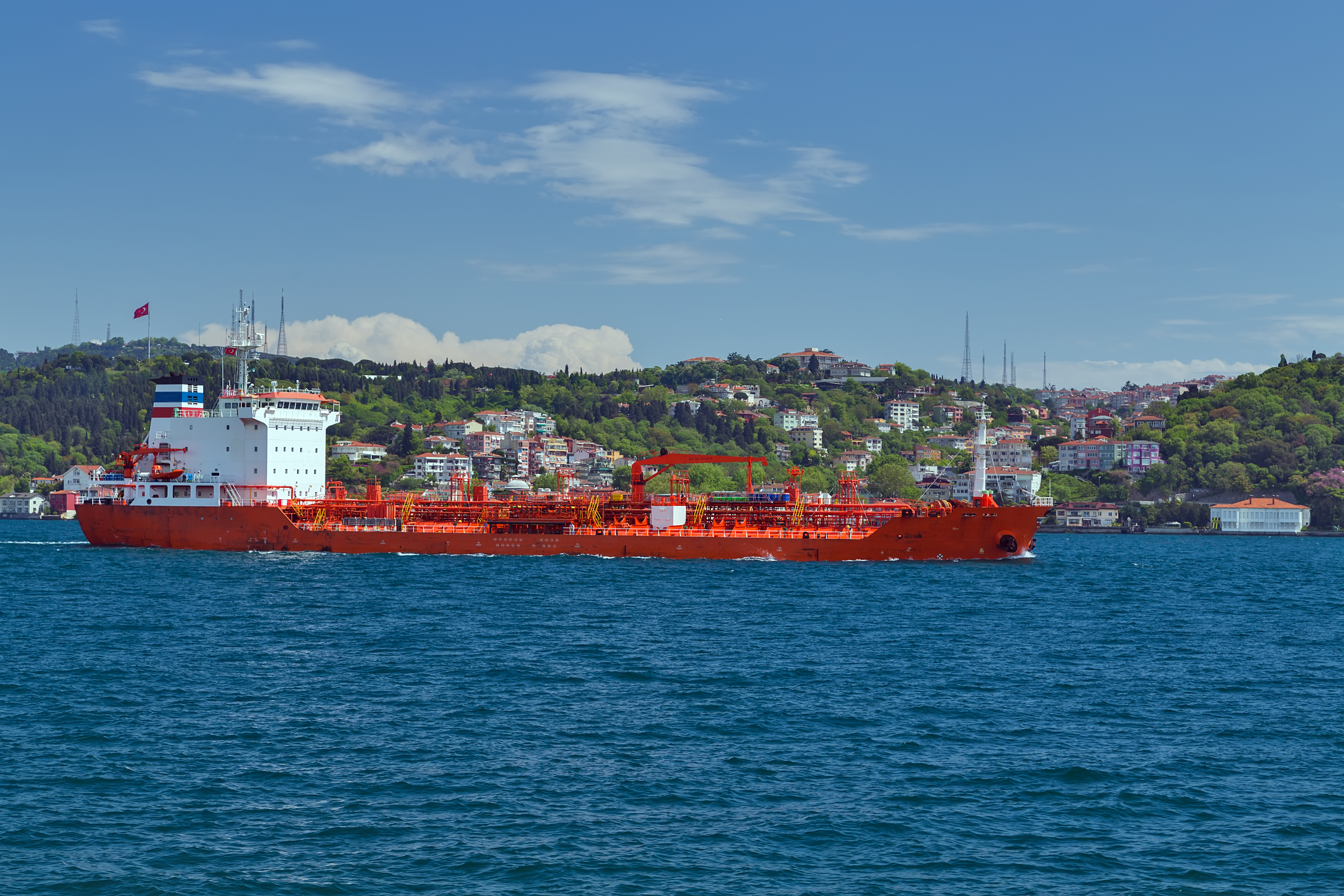
- Middle East Piracy: Watch for an increase in tanker seizures in the Strait of Hormuz. If the US response remains muted, it confirms that Washington has officially abdicated its role as the global maritime policeman.
- The US-Mexico Energy Bloc: The integration of North American energy—US shale, Canadian sands, and Mexican demand—is creating a self-contained economic hemisphere that is immune to Eurasian shocks.
- Chinese Blue-Water Ambitions: As the US retreats, watch for Beijing's desperate attempts to build a navy capable of protecting its oil lifelines in the Indian Ocean.
KJ Verdict
The decline of American power is not a story of weakness, but a story of choice. Through the shale revolution, the United States has achieved a level of civilisational resilience that the rest of the world cannot match. By decoupling its economy from global instability, Washington has gained the freedom to be selective, heartless, and unpredictable. The world is not entering a multi-polar era; it is entering an era where the only superpower has decided it no longer needs the rest of the world. This is not the end of American power; it is the end of the American-led order. There is a profound difference.