The Mechanics of Exhaustion
The decline of a global power is seldom a choice. It is a mathematical necessity. When the cost of maintaining an international order—garrisons, alliance subsidies, and the protection of trade routes—exceeds the surplus wealth generated by the state, the system enters a period of terminal overstretch. This is the structural reality currently facing the modern West. Power in the international system is not defined by raw military hardware, but by the ratio of strategic obligations to economic vitality.
The Burden of Legacy
Every empire eventually becomes a prisoner of its own geography. At the height of their influence, powers expand their security perimeters to push threats further from the core. However, these new borders require new defences, which lead to further expansion. Eventually, the state finds itself defending thousands of miles of frontier against an increasing number of petty rivals. The incentive for the hegemon is always to maintain the status quo, while the incentive for the challenger is to find the single point where the hegemon is too tired or too broke to resist. We are seeing this today in the proliferation of 'grey zone' conflicts where smaller actors use low-cost tactics to drain the resources of the established power.
The Roman Deficit
The fall of the Western Roman Empire provides the clearest parallel to the modern fiscal-military crisis. Most popular histories focus on barbarian invasions, but the true cause was internal economic ossification. To fund a professional army capable of defending a massive perimeter, the Roman state was forced to debase its currency. This led to price instability, which destroyed the middle class and forced the state to rely on increasingly desperate taxation. By the time the Visigoths arrived, the Roman taxpayer often viewed the invaders not as enemies, but as a path to escape a crushing tax burden. The state had become a parasitic entity that could no longer justify its own cost of maintenance.
The British Pivot
In the early 20th century, the British Empire held the most sophisticated financial and naval network in history. Yet, between 1914 and 1945, it shifted from being the world’s largest creditor to its largest debtor. The British mistake was not a lack of military will, but a failure to recognise that the industrial base of the home islands could no longer support a global security architecture. When London could no longer guarantee the security of the Suez Canal or the Indian Ocean without American credit, the empire ceased to exist as an independent force. The lesson is clear: once a power depends on the debt markets of its rivals or its subordinates, its sovereignty is an illusion.
What Most People Miss: The Administrative Sinkhole
Analysis of imperial decline usually focuses on 'blood and treasure'—soldiers and gold. What is often ignored is the corrosive effect of administrative complexity. As empires age, they develop massive bureaucratic layers designed to manage the complexity of their global reach. These institutions eventually develop their own incentives, which usually involve self-preservation and budget expansion rather than strategic efficiency. In a declining power, the cost of the bureaucracy often grows even as the effectiveness of the state diminishes. This creates a 'complexity trap' where more resources are poured into a failing system only to produce diminishing returns. The state becomes unable to reform itself because the reformers are part of the very structure that needs to change.
Strategic Consequences
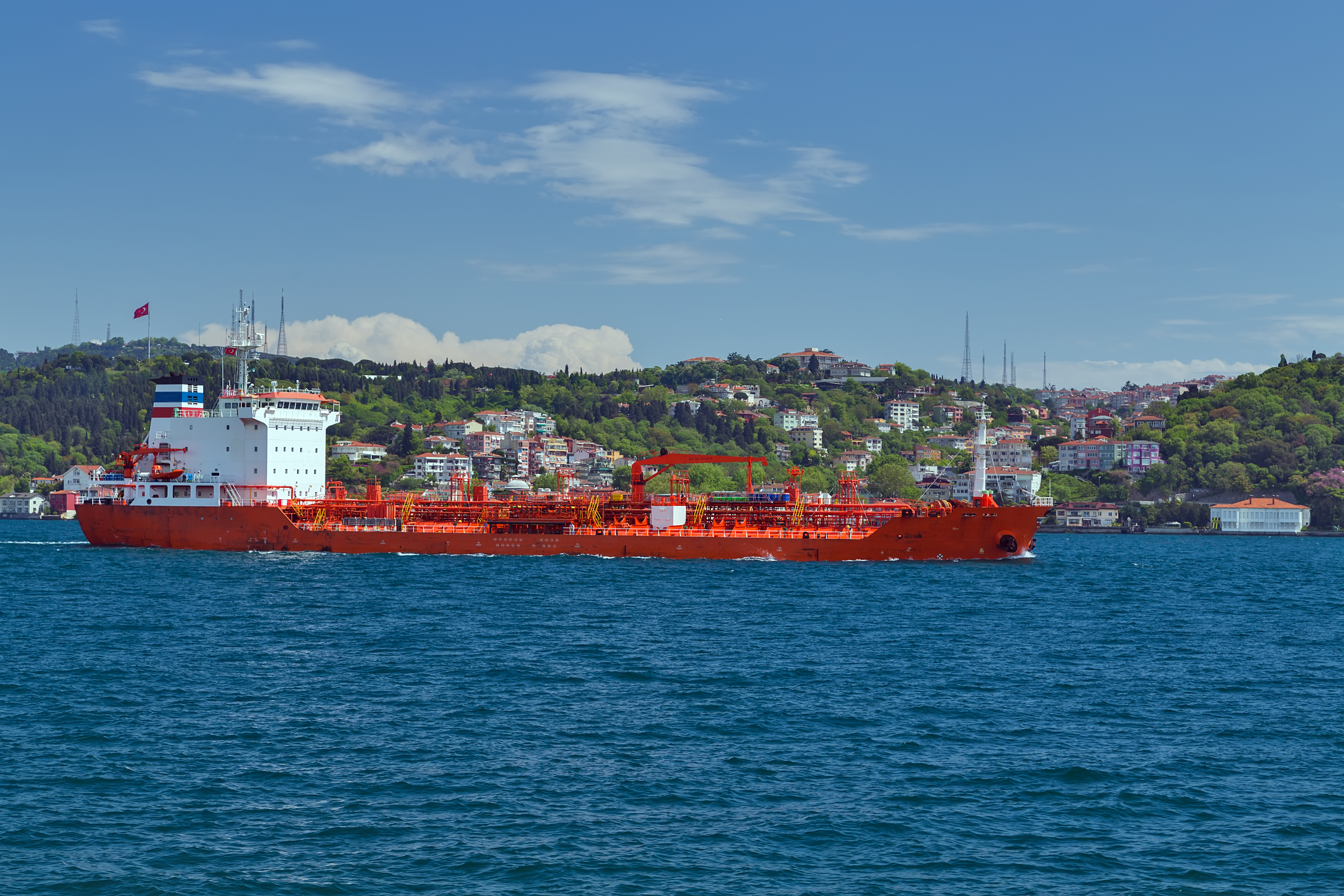
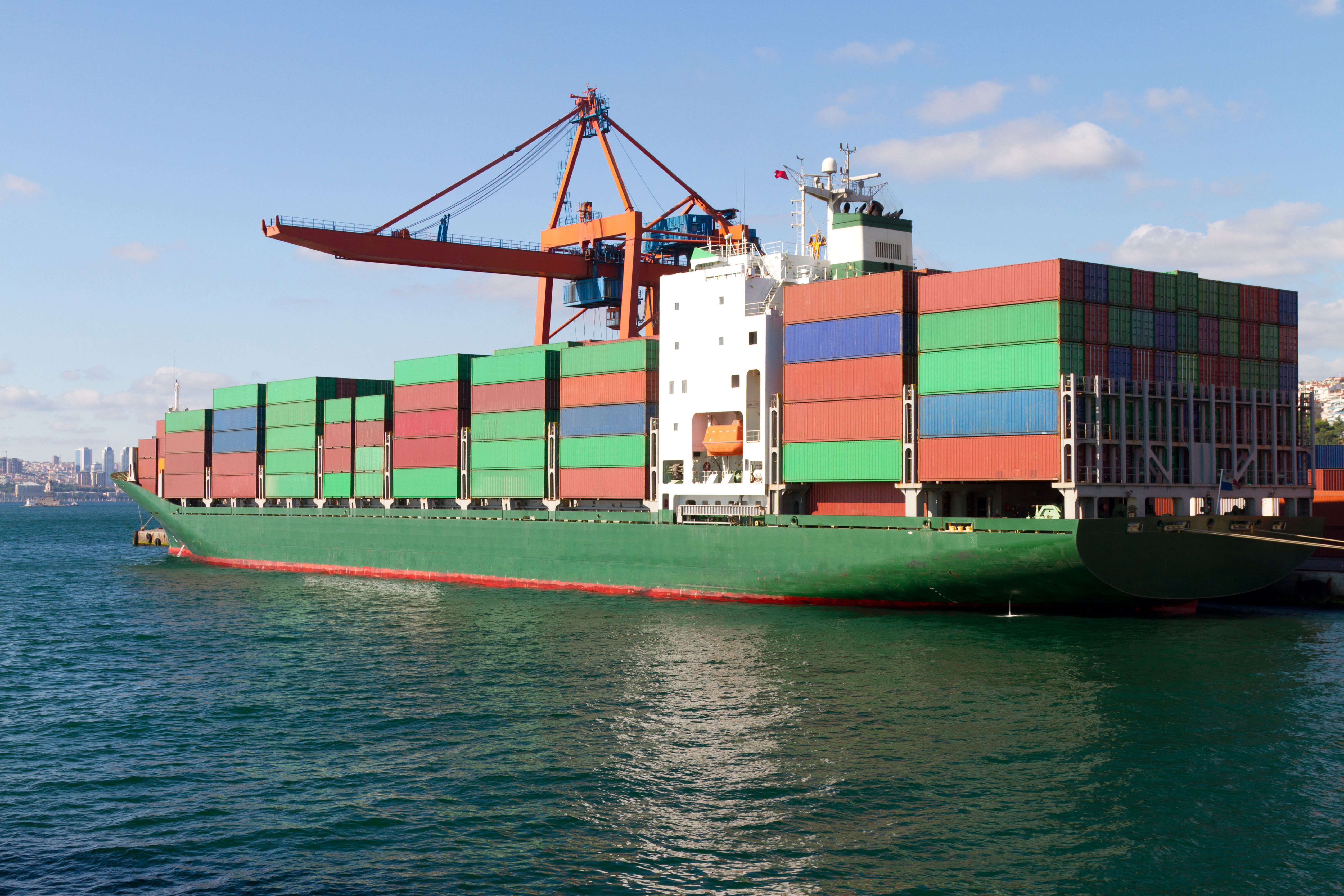
As a hegemon retreats, it creates power vacuums that are rarely filled by a single successor. Instead, the world fragments into regional spheres of influence. We can expect three primary outcomes from the current cycle of overstretch. First, the cost of securing global commons—like maritime trade routes—will shift from a single guarantor to regional coalitions. This increases insurance costs and slows down global trade. Second, middle powers such as Turkey, India, and Brazil will become more assertive, no longer fearing intervention from a distracted global policeman. Third, the domestic politics of the declining power will become increasingly fractured as different factions fight over a shrinking economic pie.
The Second-Order Effect: Currency Volatility
The final pillar to crumble is usually the reserve currency status. When a power can no longer project force reliably, the perception of its debt as a 'safe haven' evaporates. We are currently entering a period where the weaponisation of finance (sanctions) and the reality of mounting sovereign debt are forcing other nations to look for alternatives. This process is slow, but once it reaches a tipping point, it triggers a rapid realignment of global wealth.
What to Watch
- The Interest-to-Tax Ratio: Watch when the cost of servicing national debt exceeds the military budget. This is the ultimate indicator of structural decline.
- Regional Security Pacts: Watch for the formation of alliances that do not include the traditional hegemon, such as direct security cooperation between regional rivals.
- Infrastructure Decay: Monitor the diversion of funds from domestic maintenance to foreign commitments; physical decay at home is a precursor to geopolitical retreat.
- Resource Nationalisation: As the global order weakens, nations will move to secure physical commodities—oil, minerals, and food—over financial assets.
KJ Verdict
Decline is not a cliff-edge; it is a slope. No empire falls in a day, and the transition from a unipolar to a multipolar world is usually characterized by decades of denial. The real danger for the present order is not a single peer competitor like China, but the cumulative weight of its own history and the mounting cost of its previous successes. To survive, a power must be willing to trade its prestige for sustainability. History suggests that very few are capable of making that choice until it is forced upon them by a systemic crisis. The coming years will not be defined by a clash of civilisations, but by the math of national solvency.