The Price of Attrition
Moscow has fundamentally altered its calculus. The persistence of long-range drone incursions into Polish, German, and Baltic airspace represents a strategic pivot from the front lines of the Donbas to the psychological interior of the West. This is not an accidental spillover of the Ukraine conflict, nor is it the opening salvo of a full-scale kinetic war. It is a deliberate, calibrated campaign of low-intensity disruption designed to achieve a single objective: the restoration of Russia’s economic lifelines through the lifting of Western sanctions.
For two years, the Kremlin believed it could outlast Western patience through energy blackmail and battlefield perseverance. That assumption failed. While the Russian economy has transitioned to a war footing, the structural decay caused by isolation is now threatening the internal social contract. Moscow is now trading its last remaining asset—European peace of mind—to force a seat at a new negotiating table. The incentive is simple: if the West makes it impossible for Russia to trade, Russia will make it impossible for the West to feel secure.
Context: The Failure of the Stalemate
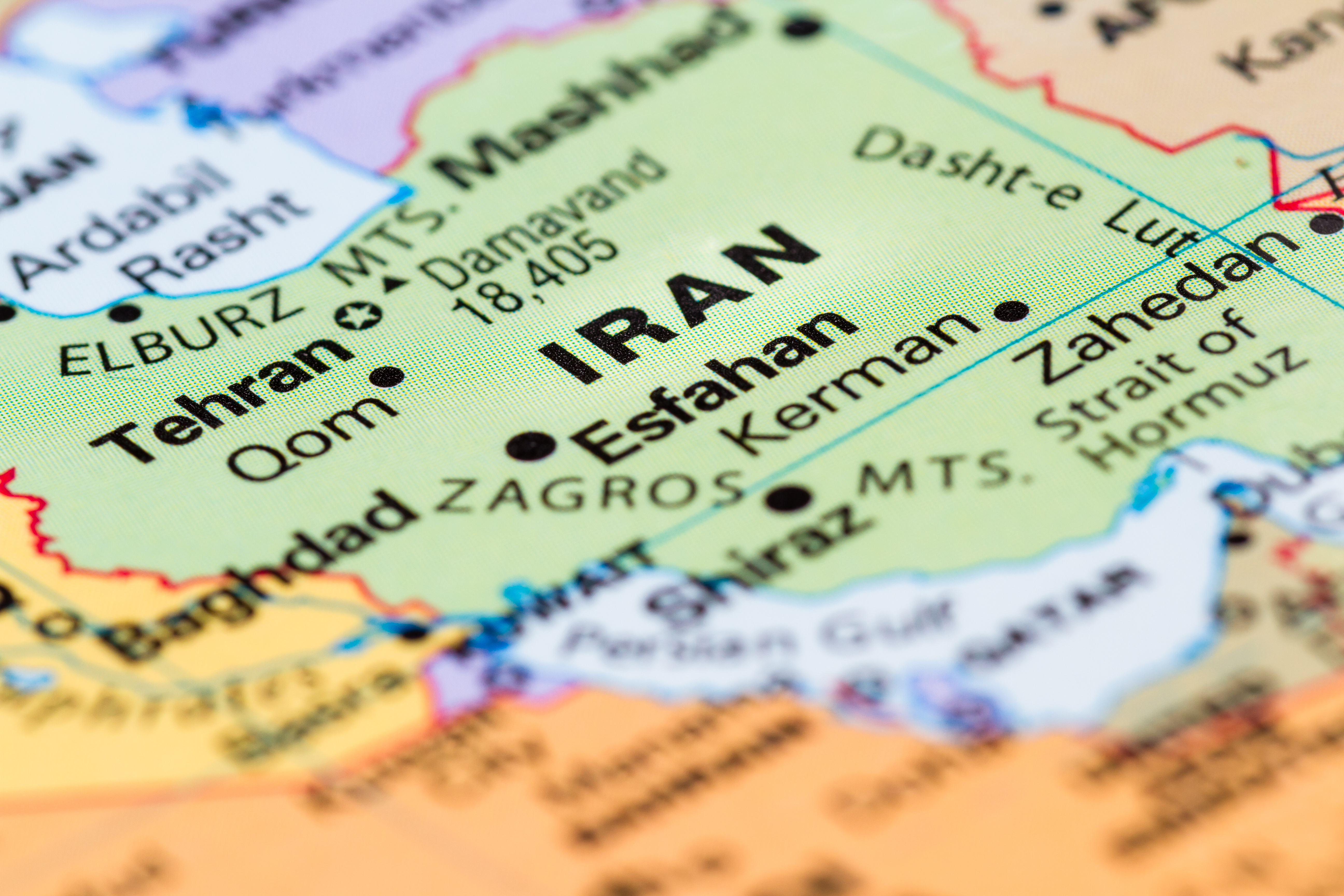
The current offensive must be viewed through the lens of Russia’s internal liquidity crisis. Despite navigating the initial shock of 2022, the secondary effects of technology bans and the decoupling from the SWIFT system have reached a terminal point for Russian industrial modernisation. The Kremlin’s ability to replenish high-tech munitions is dwindling, even as its stockpiles of low-cost, Iranian-derived loitering munitions grow.
By deploying these assets against Western European infrastructure—specifically logistics hubs and energy distribution nodes—Moscow is testing the limits of Article 5. These are "grey zone" operations. They are frequent enough to cause economic friction and insurance premium spikes, but sufficiently deniable or small-scale to avoid triggering a unified military response. It is a siege by a thousand cuts, aimed at the European voter rather than the European soldier.
The Incentive of Insecurity
Why choose drones and sabotage now? The logic is rooted in the asymmetry of cost. It costs Russia several thousand dollars to manufacture a one-way attack drone; it costs a European state millions to intercept it or to repair the resulting damage to a sensitive power substation. Moscow is exploiting the high cost of Western defence to exhaust European treasuries and political will.
The beneficiaries of this strategy are the hardliners within the Siloviki who believe that Europe’s democratic fragility is its greatest weakness. They calculate that as energy prices fluctuate and the threat of urban disruption grows, populist movements within the EU will demand a settlement with Moscow to "restore normality." The losers are the Russian civilian population, whose future is being mortgaged to fund these asymmetric gambits, and the traditional European diplomatic corps, which find their de-escalation tools increasingly obsolete.
Historical Parallel: The 1970s War of Attrition
A striking parallel exists in the War of Attrition between Israel and Egypt (1967–1970). Following the Six-Day War, Egypt realised it could not win a conventional conflict. Instead, it launched a series of limited artillery strikes and commando raids designed to make the status quo unbearable for its opponent. The goal was not territorial conquest but to force international intervention and diplomatic concessions through persistent, low-level pain. Moscow is currently executing the digital and robotic version of this strategy, aiming to prove that the current state of "neither war nor peace" is more expensive for Europe than it is for Russia.
What Most People Miss
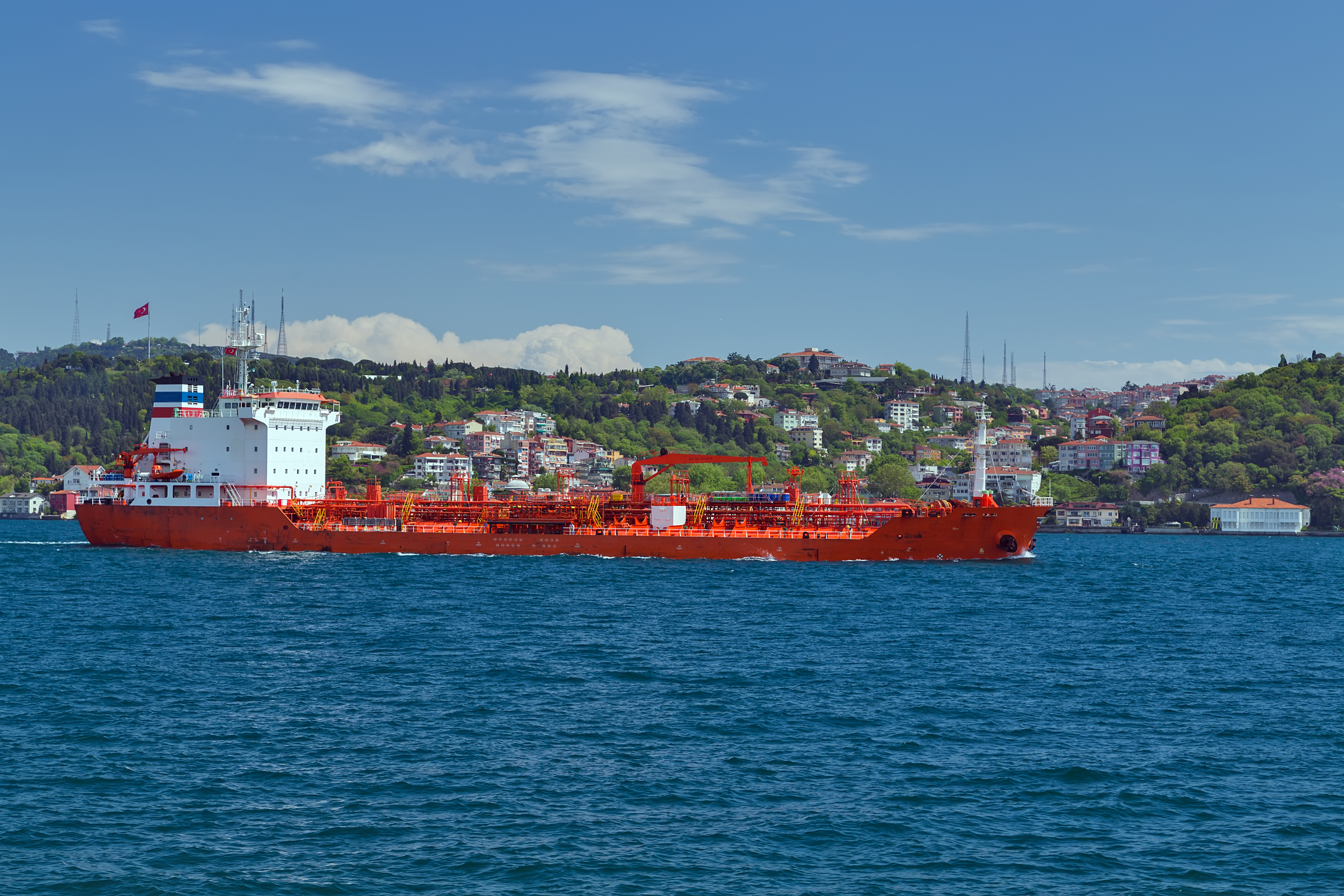
Most analysts focus on the military threat of these drones, fear-mongering about a strike on a major capital. This misses the point. The primary target is not a building, but the insurance and reinsurance markets. By creating a persistent threat environment, Russia is effectively imposing a "security tax" on European commerce. Ships are diverted, flight paths are changed, and the cost of doing business in proximity to the Eastern Flank rises. Moscow is weaponising economic friction. If they cannot participate in the global economy, they intend to make that economy more expensive for everyone else.
Strategic Consequences
The second-order effects of this gambit are already emerging. First, we are seeing a decoupling within NATO regarding the definition of an "attack." Some member states view these drone incursions as domestic policing issues; others see them as acts of war. This creates the very friction Moscow desires. Second, the rapid acceleration of European autonomous defence systems is creating a new arms race. Europe is being forced to militarise its domestic skies, a move that is politically unpopular and fiscally draining.
Furthermore, this campaign signals that the Kremlin has abandoned hope of a diplomatic reset under the current sanctions regime. They are no longer asking for a seat at the table; they are trying to break the table. The risks are profound. A single miscalculation—a drone hitting a civilian hospital or a chemical plant in Poland—could escalate the situation beyond what either side can control.
What to Watch
- The Nord Pool Market: Watch for sudden spikes in Northern European electricity indices following reported drone sightings near offshore wind farms.
- Insurance Premiums: Any restructuring of maritime insurance for the Baltic Sea will signal that the private sector views the threat as permanent.
- German Political Shifts: Monitor the rhetoric of opposition parties regarding "security-sharing" with Russia; this is where the Kremlin’s psychological pressure will manifest first.
- Electronic Warfare Deployment: The rollout of civilian-area GPS jamming in major European cities to counter drones will indicate the severity of the threat.
KJ Verdict
Moscow’s transition to a hybrid drone offensive is a symptom of structural weakness, not strength. It is the tactical choice of a power that has run out of conventional levers to influence Western policy. However, its effectiveness should not be underestimated. By turning the European interior into a secondary theatre of friction, Russia is betting that the West’s internal divisions and economic sensitivities will eventually outweigh its commitment to Ukraine’s territorial integrity. We are entering a period where the boundary between peace and conflict is permanently blurred, and for Moscow, this ambiguity is the only remaining path to survival.