The Strategic Divergence
The prevailing discourse in Washington and Brussels suggests a narrow window for a Chinese move on Taiwan, often cited as 2027. This view is based on military parity and political anniversaries. It is almost certainly the wrong metric. Beijing is not waiting for the ability to win a battle; it is waiting for the ability to survive the victory. For CCP leadership, the primary constraint on reunification is not the US Navy, but China's own systemic vulnerability to Western financial and energy isolation. Beijing’s real timeline is tied to the completion of a self-sustaining domestic economy—a 'Fortress China' that can endure the total severance of the global trade system.
The Incentives of Preservation
To understand Beijing, one must look at the incentive structure of the Chinese Communist Party (CCP). The party’s survival is the singular priority. A failed invasion of Taiwan, or even a successful one that induces a decade-long economic depression, threatens that survival. Currently, China remains deeply integrated into the US-led financial architecture. It is dependent on the US dollar for trade and the Strait of Malacca for its energy security. Initiating a conflict before these dependencies are neutralised would be strategic suicide. Beijing is a patient actor because it views its rise as historically inevitable; there is no incentive to gamble the entire project on a premature kinetic strike.
The Dual Dependency Trap
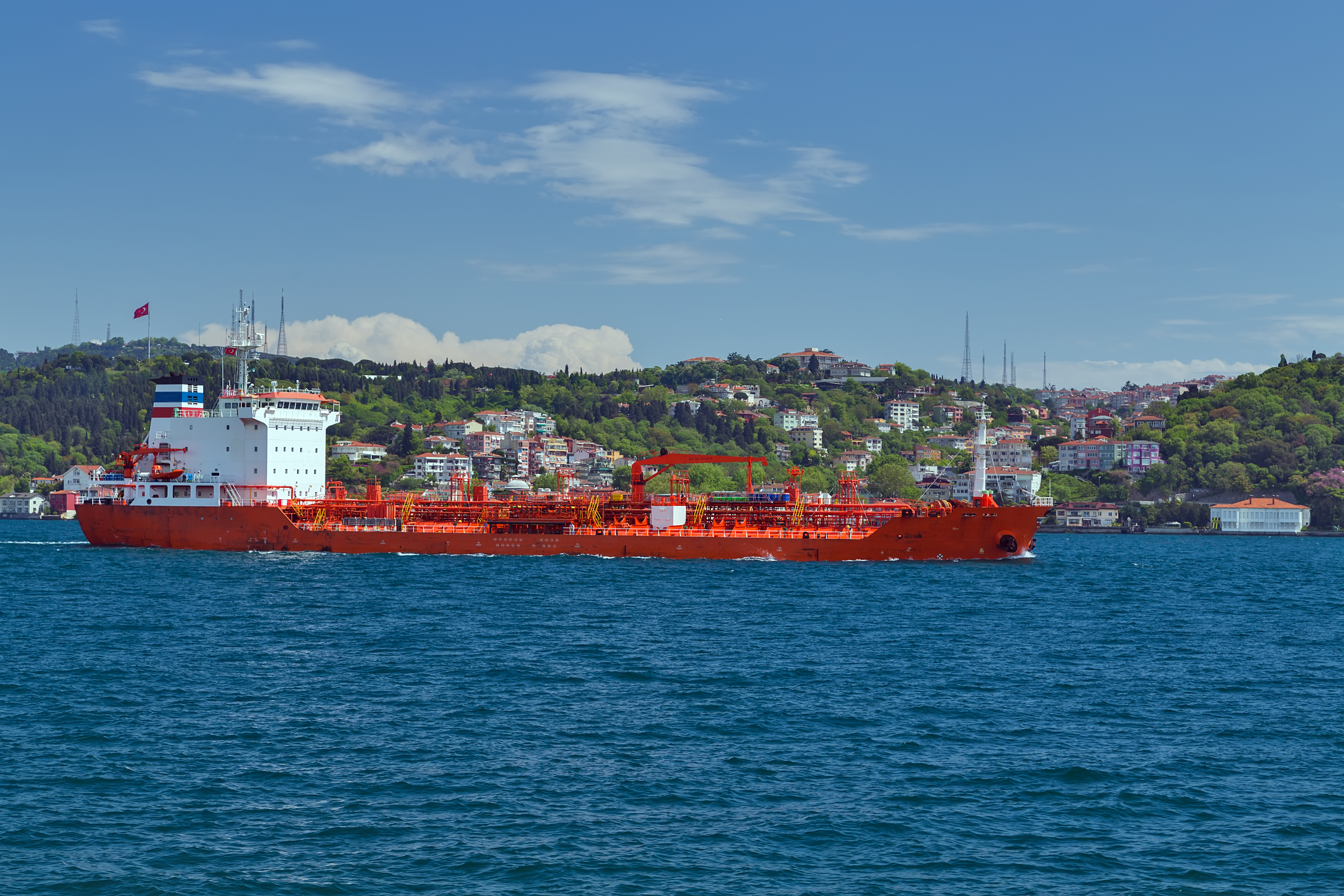
Two fundamental pillars currently hold Beijing back. First is the technological bottleneck. Despite massive investment, China still relies on Western and Taiwanese lithography for high-end semiconductors. An invasion would destroy the very manufacturing assets it seeks to capture. Second is the energy-liquidity mismatch. China is the world's largest importer of crude oil. Most of this flows through maritime chokepoints controlled by US allies. Until China has completed its overland energy pipelines from Russia and Central Asia, and until the Renminbi is sufficiently internationalised to bypass SWIFT, a total blockade remains Beijing’s greatest fear.
A Historical Parallel: The 1930s Economic Pivot
Consider the trajectory of Japan in the late 1930s. Tokyo’s decision to move throughout Southeast Asia was not born of sudden aggression but of a reaction to US resource embargoes. Japan felt forced into a 'now or never' scenario when its access to oil and scrap metal was cut. Beijing has studied this carefully. Unlike 1930s Japan, China is using its current access to the global market to build an alternative system before the conflict starts. Its current posture—intense grey-zone pressure—is designed to fatigue Taiwan and test US resolve, while the real theatre of preparation remains the domestic decoupling of the Chinese economy.
What Most People Miss: The 'Silicon Shield' in Reverse
The 'Silicon Shield' is the theory that the world cannot afford to let Taiwan fall because of its chip production. However, few analysts consider the 'Reverse Silicon Shield'. Beijing is currently the party most vulnerable to a sudden halt in chip supply. If the CCP were to move on Taiwan today, its own domestic industrial base would grind to a halt within months as inventories depleted. Beijing’s real timeline for Taiwan is therefore perfectly mirrored by its timeline for semiconductor self-sufficiency. We should not watch the movement of amphibious assault ships as the primary indicator, but rather the internal milestones of SMIC and domestic lithography breakthroughs.
The Second-Order Effects
As Beijing continues to build 'Fortress China', the second-order effect is a hollowing out of regional stability long before a shot is fired. This 'peaceful' decoupling is inherently inflationary for the rest of the world. By diversifying away from the US dollar and Western supply chains, China is intentionally creating a bifurcated global economy. This reduces the cost of aggression. The more China can survive without the West, the more likely a kinetic move becomes. This means that every step towards 'economic security' in the West and China actually brings the date of potential conflict closer by lowering the cost of the ultimate divorce.
The Geographic Constraint
Geography remains the one factor Beijing cannot change through industrial policy. The 'First Island Chain' is a physical barrier that restricts the People’s Liberation Army Navy (PLAN) to the coastal seas. Taiwan is the cork in the bottle. Control of Taiwan would allow China to project power into the deep Pacific, threatening United States territory directly. However, an amphibious landing is the most difficult military operation in existence. The Taiwan Strait is twice the width of the English Channel, with treacherous weather for most of the year. Beijing knows that a messy or prolonged conflict would allow the US to rally a global coalition. This further incentivises a 'Long Game' approach: waiting for a moment of internal US distraction or a decisive technological shift in anti-access/area-denial (A2/AD) capabilities.
What to Watch
- The Renminbi Share of Oil Trade: Look for significant increases in 'petroyuan' transactions with Saudi Arabia and Iran. This indicates China’s ability to bypass the dollar in a crisis.
- Strategic Grain Reserves: Sudden, massive increases in domestic food stockpiling often precede shifts toward a more aggressive foreign policy.
- Subsea Cable Diversification: Beijing’s efforts to create a proprietary global internet infrastructure less reliant on Western-controlled junctions.
- Domestic Lithography Progress: Specifically, any evidence of 7nm or smaller production at scale without Western machinery.
The KJ Verdict
The 2027 timeline is a distraction. Beijing is not operating on a calendar of anniversaries, but on a checklist of systemic immunities. The real threat to Taiwan does not peak when China is strongest, but when China is most insulated. Until Beijing solves its energy transit and semiconductor vulnerabilities, its actions in the Strait will remain performative—designed to deter Taiwanese independence rather than achieve immediate unification. The West is currently reacting to the drumbeat of military exercises, but the real war is already being fought in the balance sheets and supply chains of the Yangtze River Delta. We are in a decade of defensive hardening, not offensive execution.