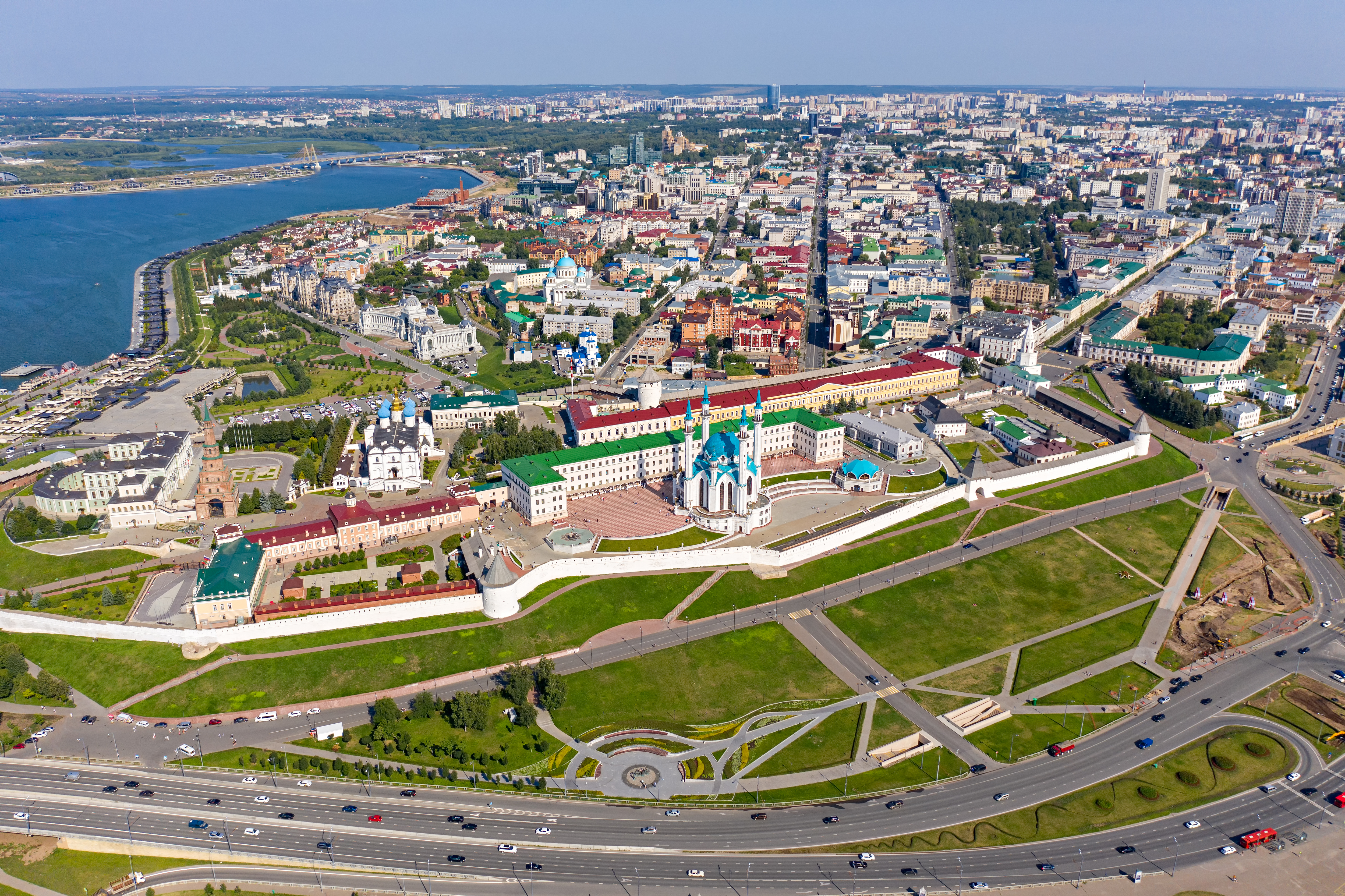
The 18th BRICS Summit in Kazan has delivered what a decade of diplomacy could not: a functional, technical alternative to the Western financial architecture. This is no longer a symbolic grievance club. It is the inauguration of the Kazan Consensus, a systematic effort to insulate the world’s largest emerging economies from the reach of the US Treasury. The primary driver is not a shared ideology, but a shared fear of weaponised finance.
The Architecture of Exclusion
For decades, the global financial system functioned as a utility. It was perceived as neutral, efficient, and unavoidable. That perception died with the freezing of Russian central bank reserves and the aggressive use of secondary sanctions against third-party banks. The Kazan Consensus is the logical response to this shift. The bloc has moved beyond the idea of a single "BRICS currency"—a concept that was always economically flawed—and has instead focused on the plumbing: the messaging systems, clearing houses, and settlement layers that underpin trade.
The centrepiece is the BRICS Bridge, a multi-currency digital platform that allows central banks to settle transactions directly without the need for correspondent banks in New York or London. By using distributed ledger technology, the system bypasses the SWIFT messaging network entirely. The incentive is clear: to trade in a way that is invisible to, and untouchable by, Western regulators.
The Power of the Perimeter
Geography and commodity flows are the silent partners in this transition. The expanded BRICS+ now controls the majority of the world’s oil production and its most critical maritime chokepoints. When Saudi Arabia, Iran, and the UAE settle energy trades with China or India using the new Kazan framework, they are not just changing currencies; they are removing the "toll booth" that has historically allowed the United States to monitor and police global commerce.
This is not a total decoupling. Most member states still hold significant dollar reserves and value access to Western markets. However, they are building a secondary exit. In geopolitical terms, this is a defensive perimeter. It ensures that if a member state falls out of favour with Washington, its economy does not undergo a sudden cardiac arrest.
A Historical Parallel: The End of the Sterling Area
We have seen this fracturing of financial hegemony before. Following the Second World War, the British Sterling Area served as a precursor to the current dollar dominance. Members held their reserves in London and pegged their currencies to the pound. As Britain’s industrial and military power waned, and as the US offered a more robust alternative, the Sterling Area disintegrated. The Kazan Consensus suggests we are entering a similar period of transition, where the incumbent power’s currency is no longer seen as the only safe harbour, but as a source of political risk.
What Most People Miss: The Technology of Sovereignty
Most analysis focuses on the dollar’s share of global reserves, which remains high. This misses the point. The Kazan Consensus is not about replacing the dollar as a store of value overnight; it is about replacing the dollar as a system of control. You do not need to overthrow the dollar to render it irrelevant in specific, high-value corridors like the Eurasian energy trade.
Furthermore, the Western gaze often views BRICS through the lens of internal contradictions—the border disputes between India and China, or the economic volatility of Brazil. These frictions are real, but they are secondary to the collective incentive to mitigate external leverage. The Kazan framework is successful precisely because it does not require members to like each other; it only requires them to distrust the current referee.
Strategic Consequences
The emergence of a parallel financial architecture leads to several second-order effects:
- Reduced Sanction Efficacy: As more trade moves to the Kazan framework, the ability of the US to use economic sanctions as a foreign policy tool will diminish significantly. Sanctions only work if the target has no other place to go.
- Bifurcation of Global Markets: We are likely to see a "splinternet" of finance. Multinational corporations will eventually have to choose between two distinct sets of standards, increasing the cost of doing business globally.
- Shift in Reserve Management: Central banks in the Global South are already increasing gold holdings and exploring "synthetic" reserves. The Kazan Consensus provides the technical infrastructure to make these non-dollar assets liquid.
"The Kazan Consensus is the formalisation of a multi-polar reality. It is the moment the global majority decided that the risks of being inside the Western tent outweighed the benefits of its perceived stability."
What to Watch
- The Volume of Non-SWIFT Settlements: Watch for the percentage of Sino-Gulf trade settled via the BRICS Bridge. A threshold of 20% would indicate the system is no longer a pilot, but a structural reality.
- Digital Currency Interoperability: How quickly the mBridge project integrates with the domestic digital currencies of mid-tier powers like Indonesia or Turkey.
- Western Regulatory Response: Whether the US and EU attempt to sanction the technical infrastructure of the BRICS Bridge itself, which would be seen as an act of financial warfare by the Global South.
KJ Verdict
The Kazan Consensus will not collapse the US dollar, nor will it create a utopian alternative. Instead, it introduces permanent fragmentation into the global order. For the last eighty years, there was only one financial map. Now, there are two. The shift is not driven by a desire for a better system, but by a pragmatic search for an unhackable one. For investors and strategists, the era of assuming the neutrality of global finance is over; we are entering an age where the plumbing of a transaction is just as political as the trade itself.