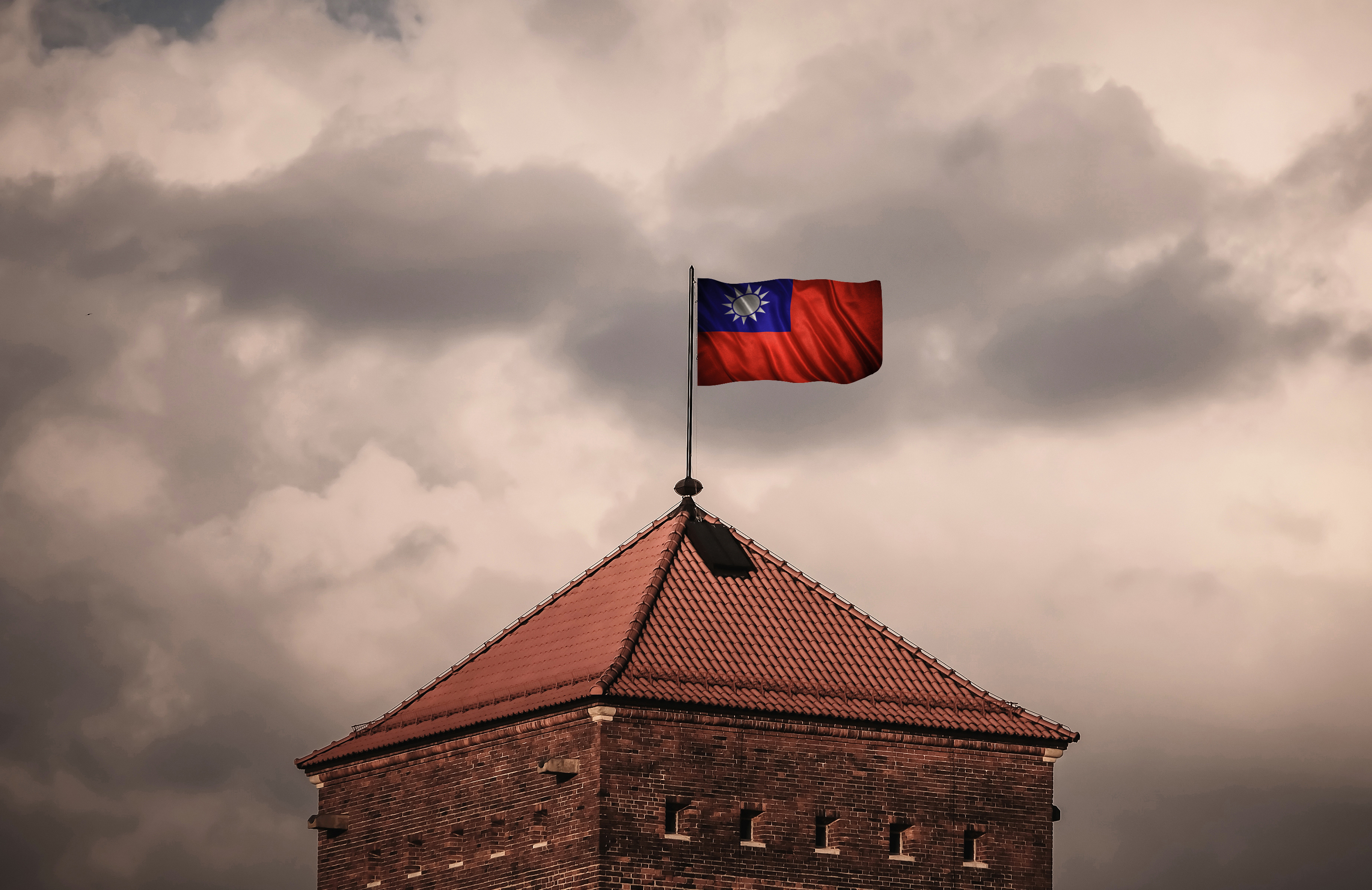
The Strategic Mirage of 2027
Popular geopolitical discourse is currently tethered to the year 2027. This date emerges from two sources: the centenary of the People’s Liberation Army (PLA) and various testimonies from US Indo-Pacific Command. However, treating 2027 as a firm deadline for an amphibious invasion misreads how the Chinese Communist Party (CCP) conceptualises power. Beijing does not work toward a calendar date; it works toward a set of conditions. These conditions are not merely military, but involve a complex calculation of domestic stability, global economic vulnerability, and the internal politics of Taipei.
The CCP’s primary incentive is survival. A failed invasion of Taiwan would likely end the regime. Therefore, Beijing's real timeline is governed by the 'Window of Narrowing Risk'. This is the point where the cost of inaction finally exceeds the high risk of a cross-strait conflict. We are not there yet, but the structural forces are shifting in ways that suggest Beijing is preparing for a coercive 'compellence' strategy rather than a sudden D-Day style assault.
The Incentive of Domestic Preservation
To understand the 'Why', one must look at the CCP's social contract. For decades, this was based on rapid growth. As China’s economy enters a structural slowdown, the contract is shifting toward nationalism and 'National Rejuvenation'. Taiwan is the crown jewel of this narrative. For Xi Jinping, the island is not just a territorial dispute; it is the final piece of the Chinese Civil War and the ultimate proof of China’s return to the centre of the world stage.
However, the economic cost of an invasion remains the primary deterrent. China is the world's largest importer of energy and food. It remains deeply integrated into the US-led financial system. Beijing’s current priority is not a war that would trigger systemic collapse, but rather a process of 'fortress-building'—reducing domestic vulnerabilities to Western sanctions before any kinetic move is made.
The Historical Parallel: The 19th Century German Precedent
The current tension in the Taiwan Strait mirrors the rise of Imperial Germany in the late 19th century. Like China today, Germany was a rising land power whose rapid industrialisation began to challenge the established naval hegemony (Great Britain). Germany felt encircled and believed its 'place in the sun' was being denied by the status quo powers.
The lesson for Taiwan is found in the 'Risk Theory' of Admiral Alfred von Tirpitz. He argued that Germany didn't need to defeat the British Navy; it only needed to build a fleet strong enough that the British would not risk a confrontation. Beijing is following a modern version of this. By flooding the 'First Island Chain' with anti-access/area-denial (A2/AD) assets, they aim to make the price of American intervention too high for the US public to bear. The goal is to win without fighting by convincing Taipei that Washington cannot or will not come to its aid.
What Most People Miss: The 'Quiet' Blockade
The obsession with a 'Great Invasion' obscures the more likely second-order effect: a grey-zone blockade. Beijing does not need to land a single soldier on a Taiwanese beach to cripple the island. Taiwan is a resource-poor island that imports 98% of its energy. By declaring 'exclusion zones' for military exercises, Beijing can effectively choke Taiwan’s economy, driving up insurance premiums for shipping and triggering capital flight.
Most observers focus on the PLA Navy's amphibious lift capacity. This is a mistake. The more critical metric is the PLA’s ability to sustain a long-term quarantine. If Beijing can demonstrate that it can stop the flow of liquefied natural gas (LNG) and semiconductors at will, the political pressure within Taiwan to reach a 'settlement' may become unbearable. This is 'annexation via exhaustion'.
The Semiconductor Trap
There is a widespread belief that Taiwan’s 'Silicon Shield'—its dominance in high-end chips—prevents war. This is a double-edged sword. As the US moves to 'de-risk' and build its own domestic chip capacity (through the CHIPS Act), the value of the shield diminishes. If Beijing perceives that the West is successfully diversifying away from TSMC, it may conclude that the global economic consequence of a Taiwan conflict is lowering. In this sense, Western efforts to secure their supply chains might unintentionally shorten Beijing’s strategic timeline.
The Real Timeline: Structural Thresholds
Beijing’s real intentions are tied to three specific thresholds rather than calendar years:
- Military Parity: When the PLA’s rocket force and submarine fleet can reliably deny US carrier strike groups access to the Philippine Sea.
- Sanction Immunity: When the 'Cross-Border Interbank Payment System' (CIPS) and the digital yuan reach a level of international adoption that can bypass the SWIFT system.
- Political Divergence: If the PRC perceives that Taiwan is moving toward a legal declaration of independence that would make 'peaceful reunification' impossible under the CCP’s legal framework.
The 'Ukrainianisation' of Taiwan—the rapid supply of Western man-portable air-defence systems and anti-ship missiles—is also accelerating Beijing’s clock. Beijing fears that the longer it waits, the more difficult the island becomes to swallow. This creates a dangerous 'use it or lose it' mentality regarding their military advantage.
What to Watch
- The 'Malacca Dilemma' Progress: Watch for the completion of pipelines through Myanmar and Pakistan. These are Beijing’s bypass valves for a naval blockade.
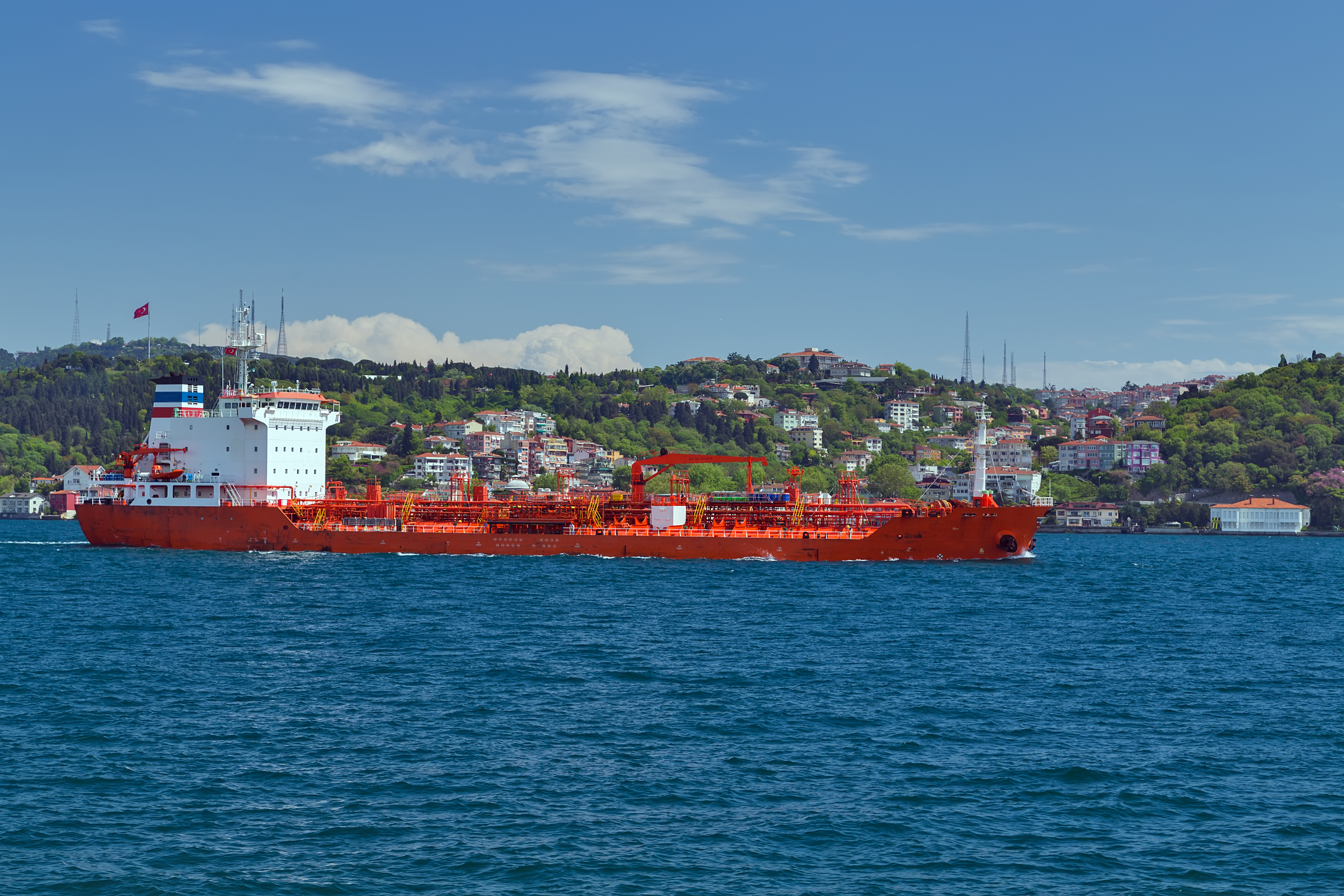
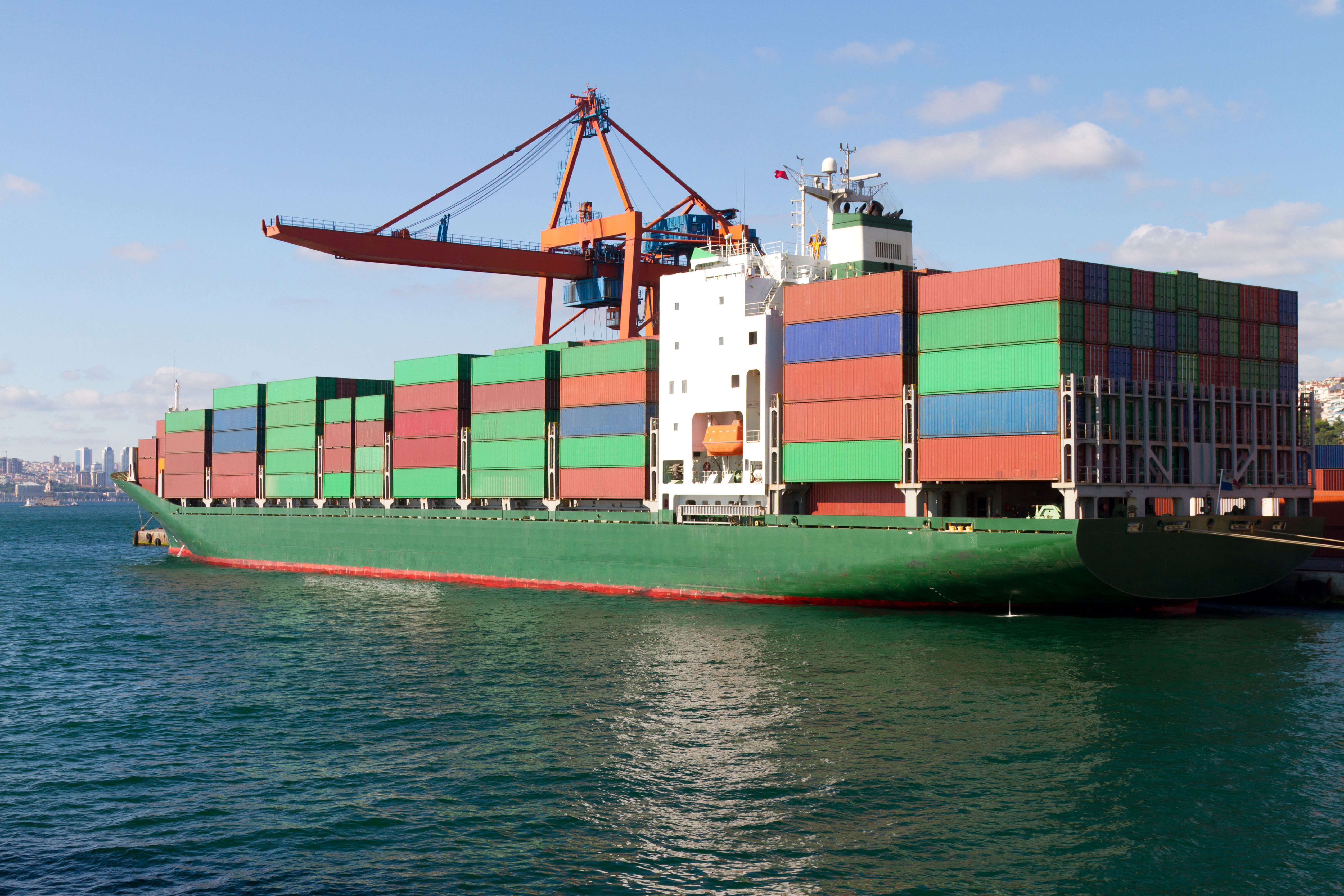
- Amphibious Civil Integration: Watch for the use of civilian Ro-Ro (Roll-on/Roll-off) ferries in PLA exercises. This indicates Beijing is bridging the gap in its military landing capacity via the merchant fleet.
- The 2024 Presidential Election in Taipei: The rhetoric of the winning candidate will determine if Beijing believes the 'political window' for peaceful union has closed forever.
- Strategic Grain Reserves: Any unusual spikes in Chinese state purchasing of wheat, corn, or soy could indicate a pivot toward a 'siege economy' footing.
Beijing’s strategy is not a sprint to 2027, but a marathon of atmospheric pressure designed to make the status quo unsustainable for Taipei.
The KJ Verdict
The threat to Taiwan is real, but a full-scale invasion is not Beijing’s first choice. The CCP understands that a failed war is their only path to extinction. Instead, expect a multi-year 'squeeze' strategy. Beijing will utilise its growing naval power to normalise incursions and erode the 'median line' in the Strait, while simultaneously building an economic architecture that can survive Western decoupling. The real danger zone is not a specific year, but the moment Beijing feels its economic 'Sanction Shield' is finally as strong as its military 'A2/AD Shield'. Until then, the conflict remains one of psychological and economic attrition.