The prevailing narrative in Western capitals suggests that the 'No Limits' partnership between Beijing and Moscow is a fragile tactical arrangement. The logic follows that once the cost of sanctions or secondary pressure becomes too high, Beijing will inevitably distance itself from a pariah state. This view misreads the incentive structures of both powers. As of mid-2025, the relationship has passed the point of convenience. It is now a structural necessity rooted in the hard realities of geography, energy security, and the shared requirement to insulate their domestic systems from Western financial hegemony.
The Core Incentive: The Heartland vs. The Rimland
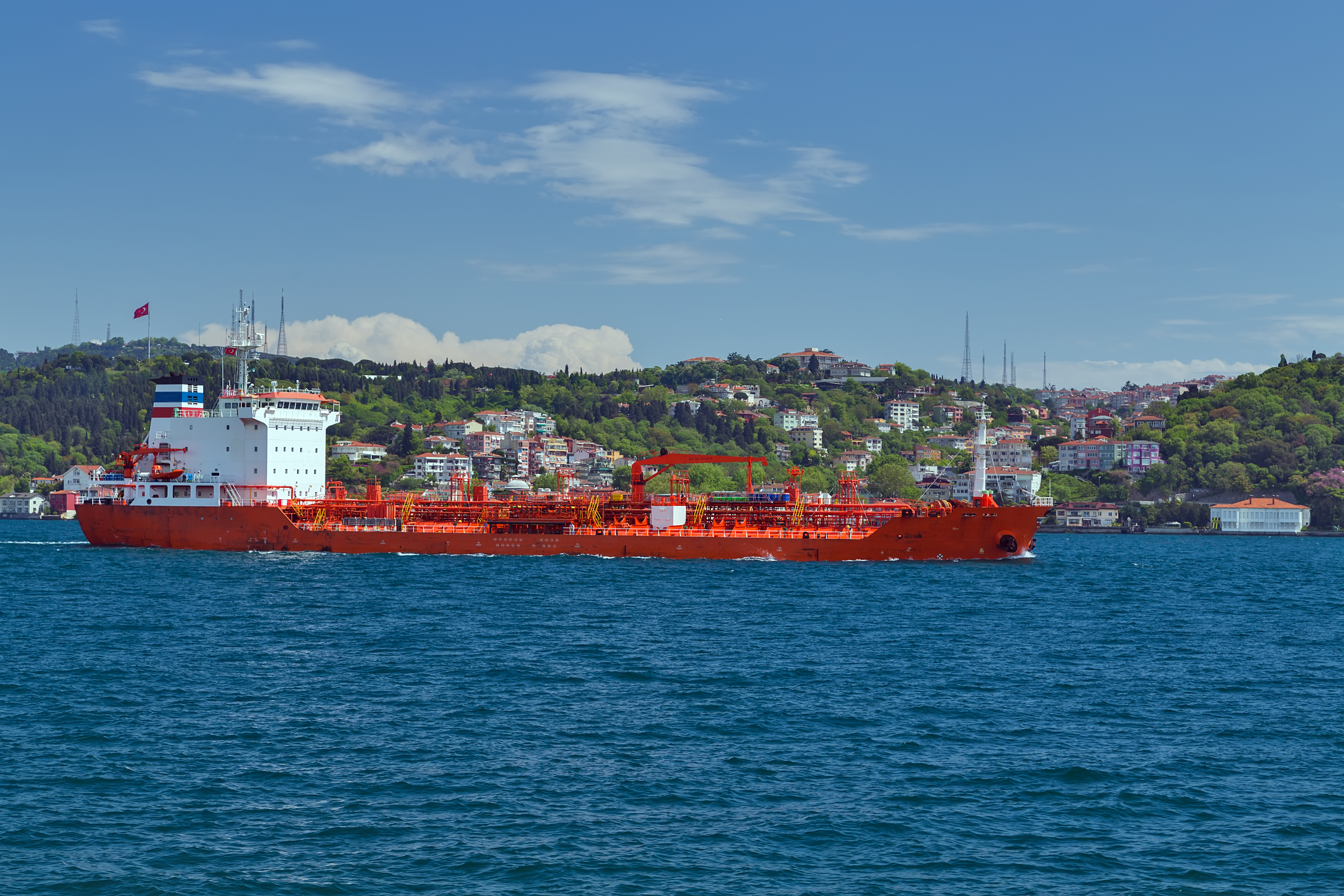
For China, Russia is not merely a diplomatic ally; it is a strategic depth provider. Beijing's primary vulnerability is the Malacca Dilemma. Approximately 80 per cent of China's energy imports pass through narrow maritime chokepoints controlled or monitored by the United States Navy. Russia provides the only viable overland alternative. Through the Power of Siberia pipelines and expanded rail links, Russia ensures that no naval blockade can truly starve the Chinese economy. For Moscow, China represents the only economy large enough to absorb Russian primary commodities at scale, replacing the lost European markets permanently.
The Financial Shield
Beyond commodities, the partnership is now the primary laboratory for a non-dollar financial world. The weaponisation of SWIFT has forced a merger of their financial plumbing. Over 90 per cent of bilateral trade is now settled in Yuan or Roubles. This is not just about avoiding sanctions; it is about building a parallel architecture that ensures neither state can be unilaterally switched off by the US Treasury. This shared immunity is a prerequisite for their respective regional ambitions in Ukraine and Taiwan.
A Historical Parallel: The Reversed 1972
In 1972, Richard Nixon and Henry Kissinger exploited the Sino-Soviet split to isolate Moscow. Today, the roles are reversed, but with a critical difference in leverage. During the Cold War, China was the junior, agrarian partner. Today, China is the industrial hegemon, and Russia is the resource-rich security provider. Unlike the 1960s, there is no ideological dispute over the interpretation of Marxism to divide them. Their shared ideology is now purely Westphalian sovereignism: the belief that great powers should have recognized spheres of influence and that internal governance is shielded from external 'universal' values.
What Most People Miss: The Arctic Frontier
Most analysis focuses on the border in Central Asia or trade in the Donbas. What is frequently overlooked is the Northern Sea Route (NSR). As Arctic ice thinned through the early 2020s, the NSR became a viable 'Polar Silk Road'. Russia possesses the geography and the world's largest icebreaker fleet; China possesses the capital and the shipping volume. By integrating the NSR into the Belt and Road Initiative, Beijing is effectively moving its supply lines to the top of the world, far beyond the reach of American carrier strike groups in the Indo-Pacific. This creates a geographical 'fortress' that makes the partnership indissoluble.
Strategic Consequences
The permanence of this axis creates a two-theatre challenge for the West that cannot be solved by pivoting.
- Europe's Permanent High Energy Cost: By diverting its cheapest gas to the East, Russia has ensured that European industry will face a structural disadvantage for a generation.
- Technology Diffusion: Russia is increasingly trading its advanced military secrets—including submarine silencing and hypersonic propulsion—for Chinese microelectronics and dual-use hardware.
- The Buffer Zone: Central Asian states, once a site of competition between the two, have adapted to a 'condominium' model where China manages the economy and Russia manages security.
What to Watch
- The Power of Siberia 2 Pipeline: Any finalisation of pricing and construction timelines serves as the ultimate barometer of trust.
- Joint Naval Patrols: Look for increased activity in the Bering Strait and the Sea of Japan, signaling a coordinated challenge to the 'San Francisco System' of US alliances.
- BRICS+ Financial Integration: The development of a shared digital ledger for cross-border payments between the two will be the final step in sanctions-proofing.
KJ Verdict
The China-Russia relationship is not an alliance of love, nor is it a temporary flirtation. It is a symbiotic survival pact. China provides the industrial oxygen; Russia provides the raw material and strategic rear-guard. As long as both states perceive the Western-led order as a binary threat to their regime security, the friction between them—such as competition in Central Asia—will remain a distant second priority. The West must plan for a world where the Eurasian landmass is a single, integrated strategic block. The hope of 'flipping' Russia or 'containing' China in isolation is a relic of a geopolitical era that has already ended.