KJ ReportsKJ Reports

The 1953 Iranian CIA Coup Détat

26 July 20171,265

Listen to this article

KJ narrates this report in his own voice

The 1953 Iranian CIA Coup Détat

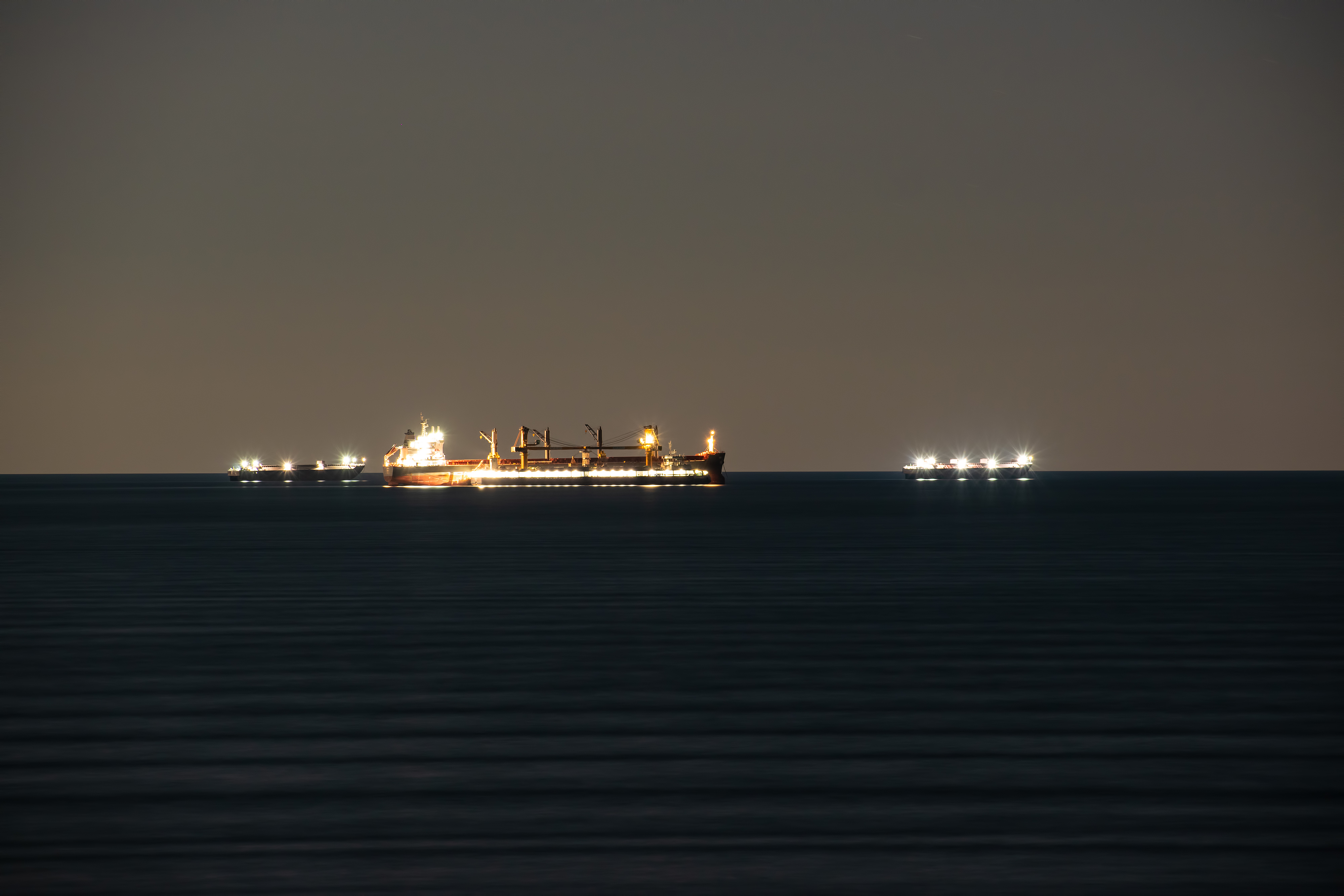
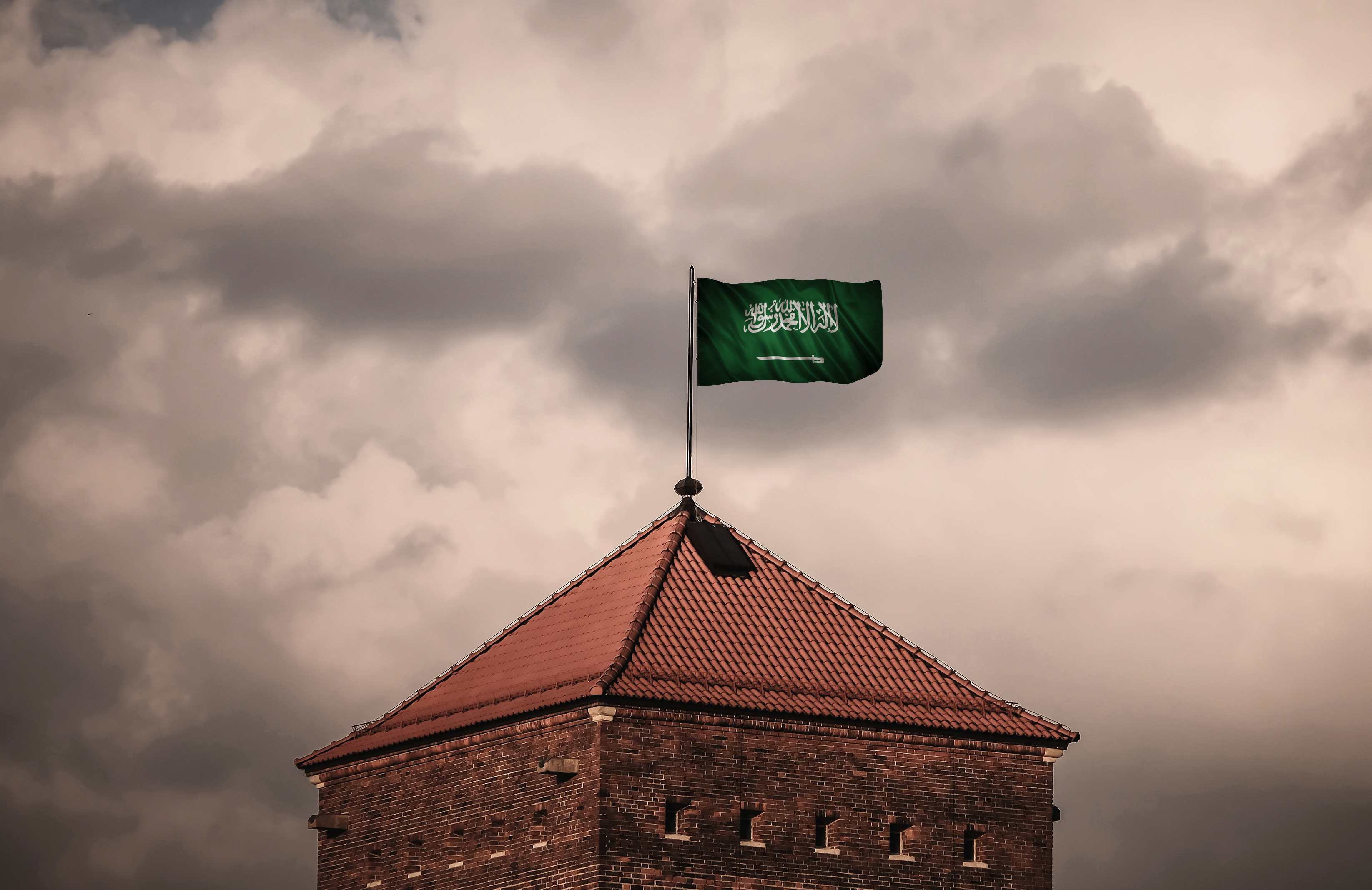
Western firms had for decades controlled the region’s oil wealth, whether Arabian-American Oil Company in Saudi Arabia, or the Anglo-Iranian Oil Company in Iran.

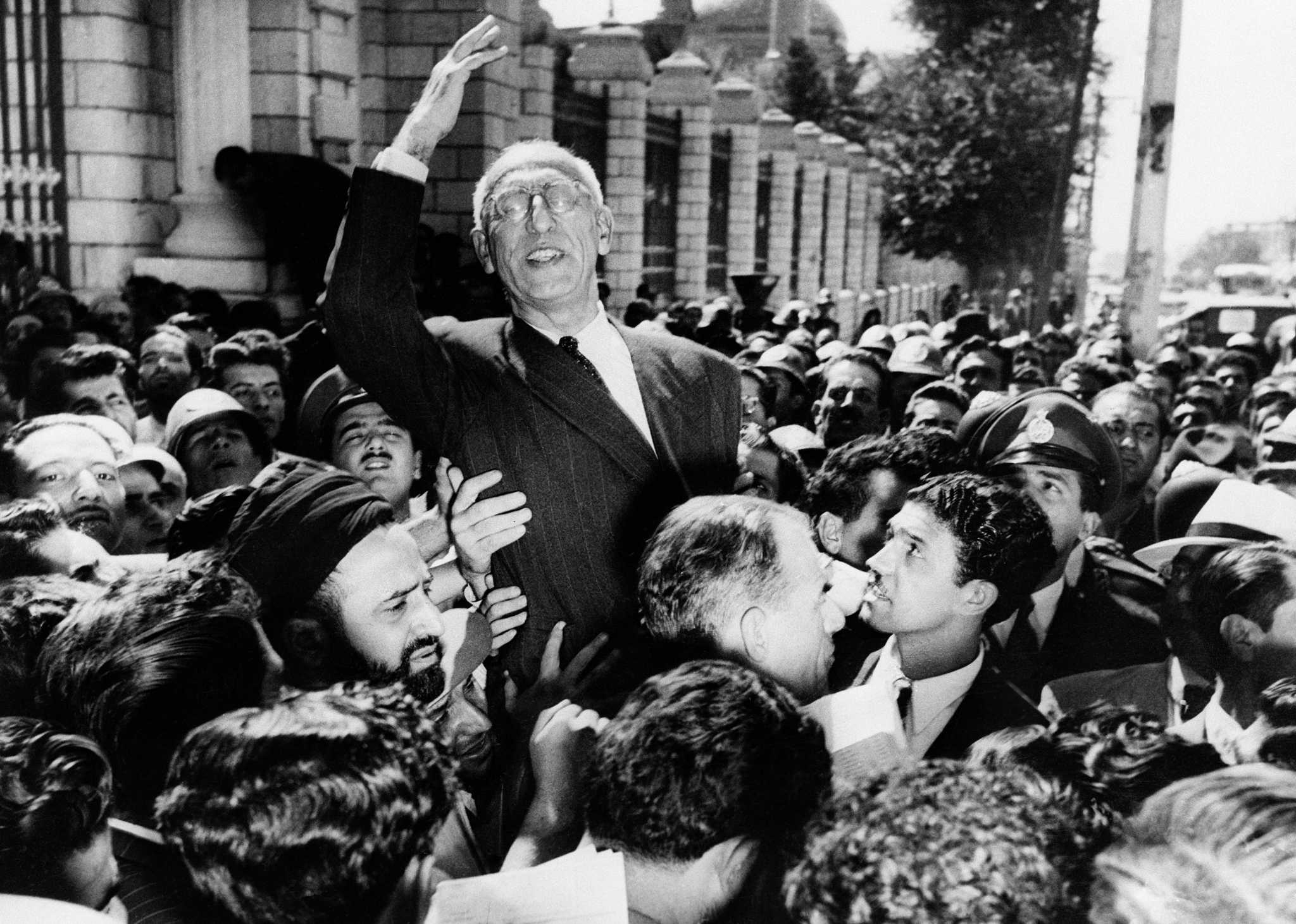
But in 1951, a fierce nationalist ruler, Mohammed Mossadegh came to prominence and began attacks on British oil companies operating in his country, calling for expropriation and nationalization of the oil fields

His actions brought him into conflict with the pro-Western elites of Iran and the Shah, Mohammed Reza Pahlevi.

Indeed, the Shah dismissed Mossadeq in mid-1952, but massive public riots condemning the action forced the Shah to reinstate Mossadeq a short time later

U.S. officials watched events in Iran with growing suspicion. British intelligence sources, working with the American Central Intelligence Agency (CIA), came to the conclusion that Mossadeq had communist leanings and would move Iran into the Soviet orbit if allowed to stay in power

Working with Shah, the CIA and British intelligence began to engineer a plot to overthrow Mossadeq.

The Iranian premier, however, got wind of the plan and called his supporters to take to the streets in protest. At this point, the Shah left the country for “medical reasons.”

Working with pro-Shah forces and, most importantly, the Iranian military, the CIA cajoled, threatened, and bribed its way into influence and helped to organize another coup attempt against Mossadeq.

On August 19, 1953, the military, backed by street protests organized and financed by the CIA, overthrew Mossadeq.

The Shah quickly returned to take power and, as thanks for the American help, signed over 40 percent of Iran’s oil fields to U.S. companies.

Mossadeq was arrested, served three years in prison, and died under house arrest in 1967.

The Shah became one of America’s most trusted Cold War allies, and U.S. economic and military aid poured into Iran during the 1950s, 1960s, and 1970s.

In 1978, however, anti-Shah and anti-American protests broke out in Iran and the Shah was toppled from power in 1979.
 

#anglo-iranian-oil#cia-coup-1953-iran#iran-coup#iranian-coup-1953#mohammed-mosadeqh#reza-pahlavi-shah#reza-shah#us-coup-1953

Related Intelligence

More articles
The Hollow Pillar: Why Tehran’s Internal Decay Trumps Proxy Power
Middle East

The Hollow Pillar: Why Tehran’s Internal Decay Trumps Proxy Power

Iran’s sprawling ‘Axis of Resistance’ offers a façade of regional dominance. Yet, a widening rift between the clerical elite and a disillusioned populace transforms every foreign intervention into a domestic liability, eroding the Islamic Republic’s ultimate deterrent.

9 Jul 2026

The Escort Trap: Unifying the Mediterranean and Persian Gulf
Middle East

The Escort Trap: Unifying the Mediterranean and Persian Gulf

NATO’s permanent naval deployment in the Strait of Hormuz has effectively dissolved the geographic distinction between European and Middle Eastern security, creating a single, interlocking conflict theatre from Gibraltar to the Arabian Sea.

8 Jul 2026

The Swiss Conduit: Doha and Islamabad’s New Security Architecture
Middle East

The Swiss Conduit: Doha and Islamabad’s New Security Architecture

A quiet structural shift has transformed Qatar and Pakistan into the indispensable intermediaries of the Middle East. By leveraging geography and intelligence depth, this new axis is managing volatility that traditional Western diplomacy can no longer touch.

28 Jun 2026

The Anatolian Bridgehead: Why Türkiye is the Pivot of the 2026 Order
Middle East

The Anatolian Bridgehead: Why Türkiye is the Pivot of the 2026 Order

As the global architecture fractures into competing blocs, Ankara has transformed from an erratic NATO outlier into the indispensable arbiter of Eurasian logistics, energy security, and regional containment.

27 Jun 2026

The Gulf Restoration: Abu Dhabi’s Strategic Decoupling
Middle East

The Gulf Restoration: Abu Dhabi’s Strategic Decoupling

The UAE’s 14-Point Pact and aggressive production capacity expansion have fundamentally altered the relationship between oil and regional chaos. For the first time, Abu Dhabi has ensured its economic survival no longer depends on regional peace.

26 Jun 2026

The Iranian Chokepoint: Why $200 Oil is Tehran’s Strategic Veto
Middle East

The Iranian Chokepoint: Why $200 Oil is Tehran’s Strategic Veto

As regional tensions escalate, Iran’s ability to throttle the Strait of Hormuz has transformed from a military threat into a sophisticated macroeconomic weapon designed to neutralise Western sanctions and leverage global energy markets.

16 Jun 2026