KJ ReportsKJ Reports

20th Century Syria in Pictures

7 June 20171,168

Listen to this article

KJ narrates this report in his own voice

20th Century Syria in Pictures

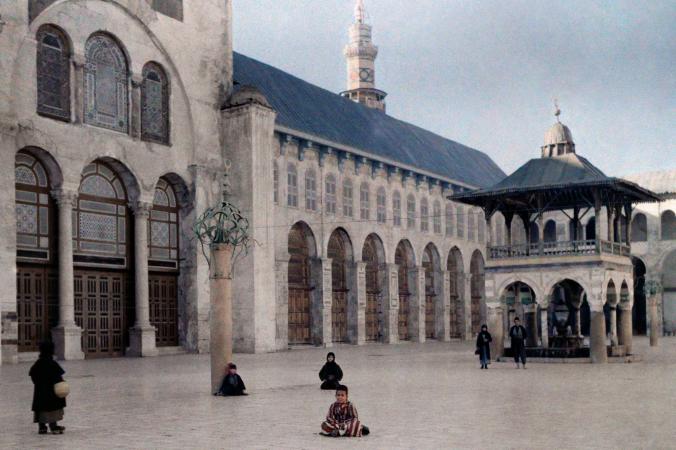
The Umayyad Mosque in Damascus, shown here in the ’20s, is one of Syria’s most famous ancient sites.
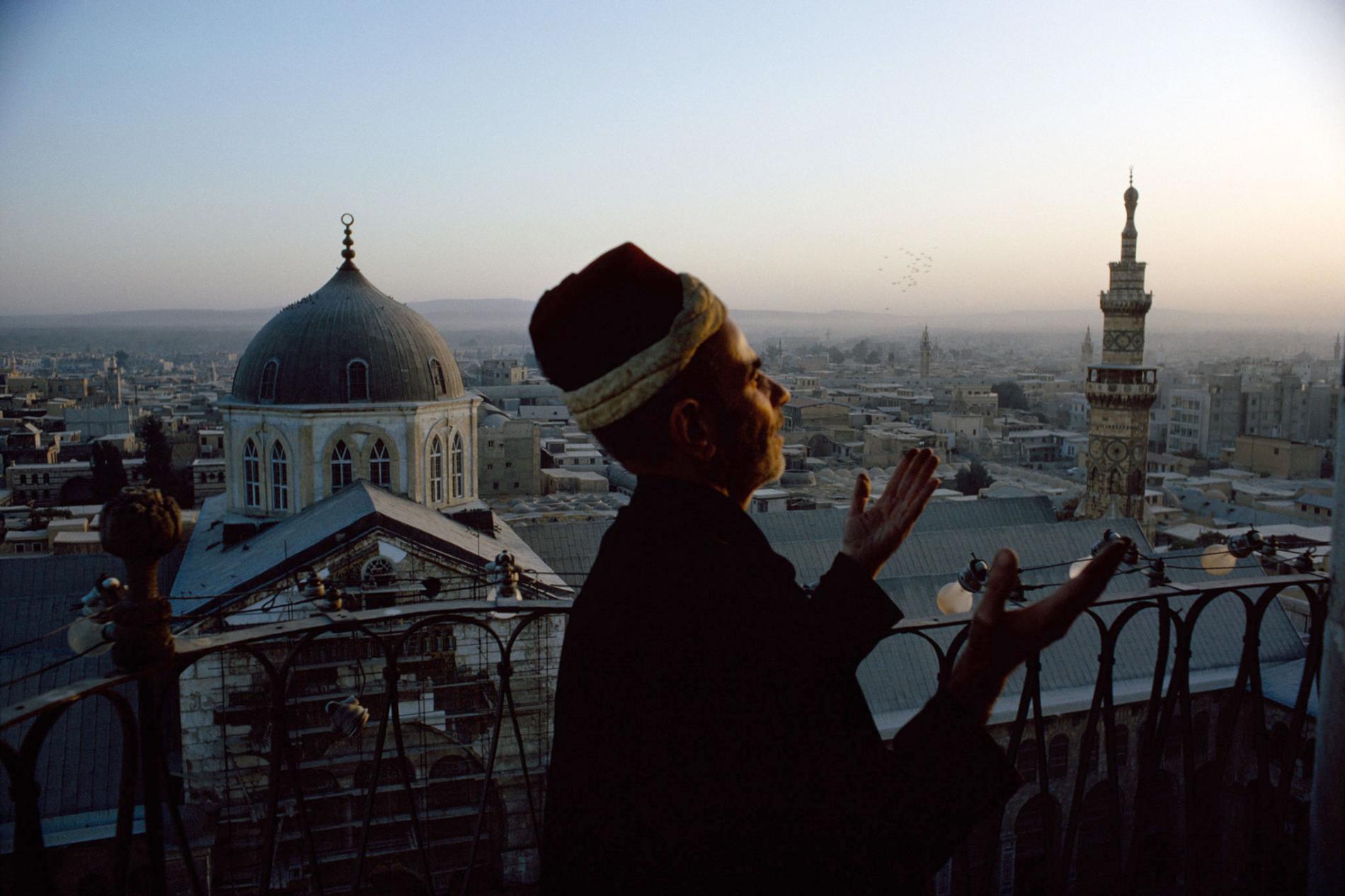
A man prays above the ancient city of Damascus
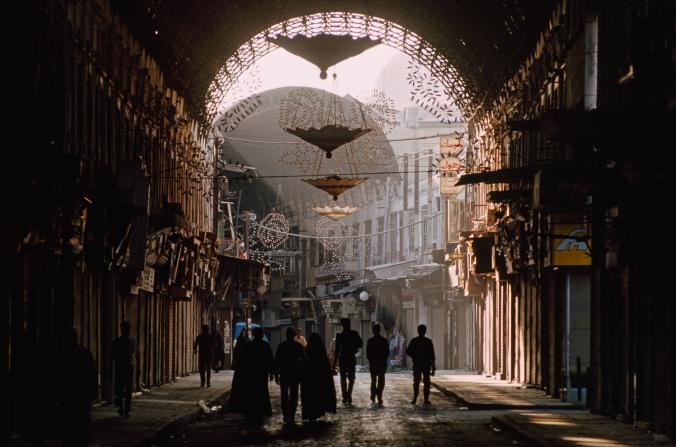
People shop in the market of the Al-Hamidiyah Souq in Damascus, the country’s largest.
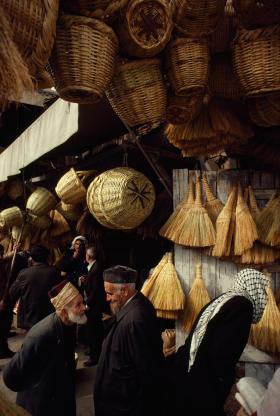
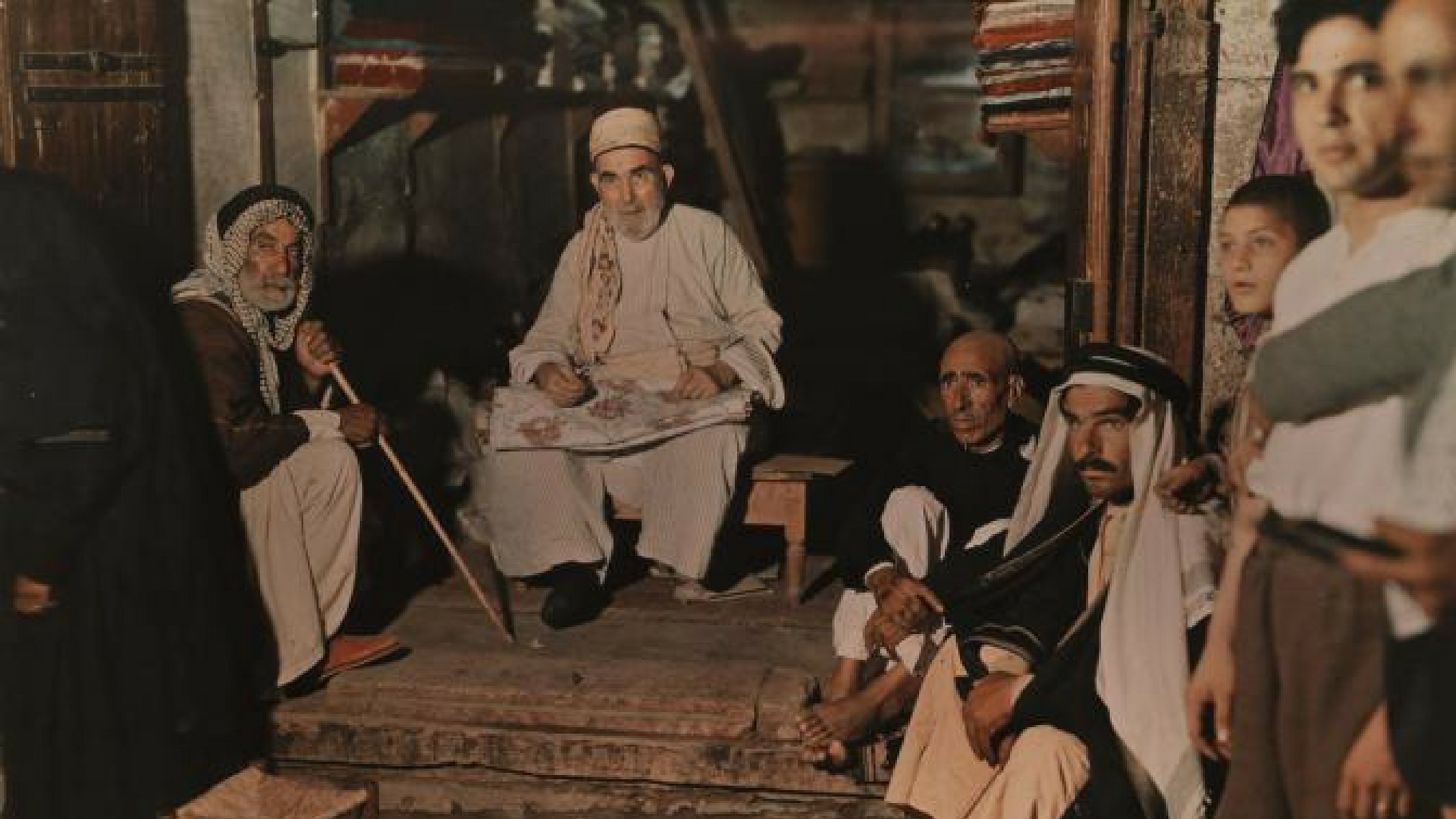
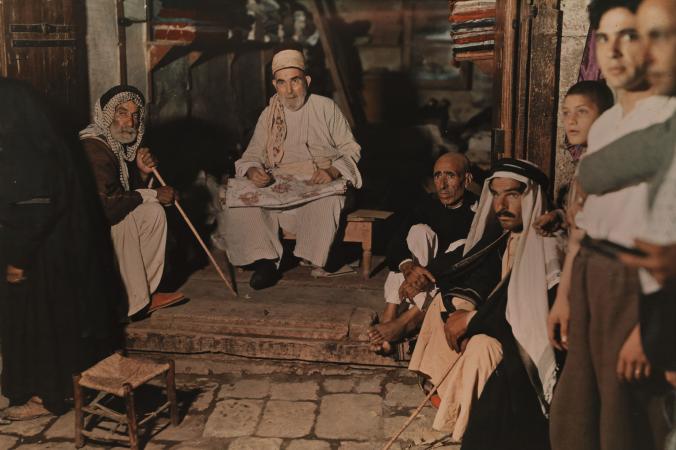
Shoppers chat under straw brooms and reed baskets at a bazaar in Damascus.
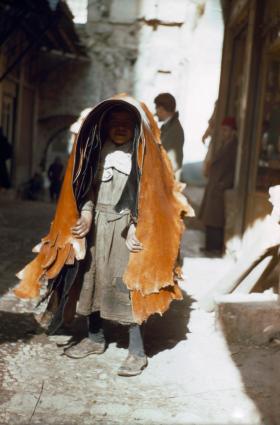
A young cobbler’s assistant carries strips of leather in Damascus. This photograph was featured in a 1946 National Geographic
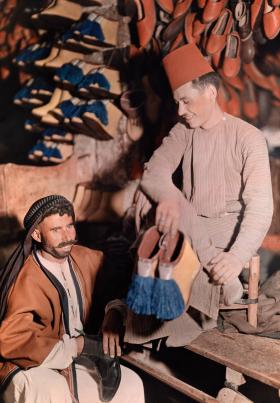
Shoe vendors sit underneath hanging bundles of their wares in the 1940s.
The modern buildings of Damascus, seen in 1997, rise above the ancient sites.
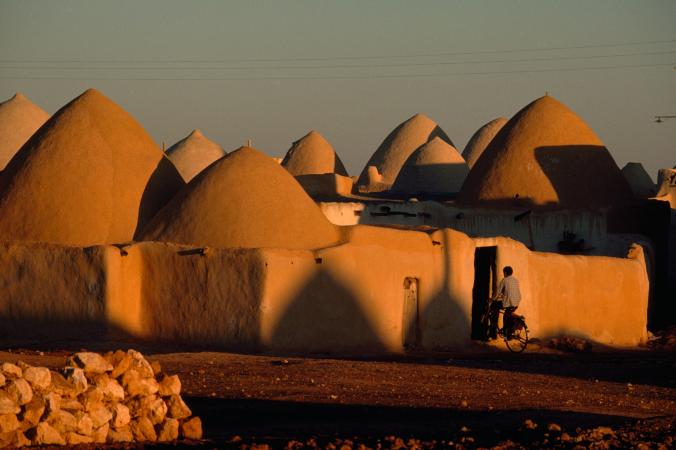
A mud-and-brick housing compound in the region of Tell Mardikh, which was first settled some 5,000 years ago. The area is one of Syria’s most important ancient sites, but has been badly looted in the war.
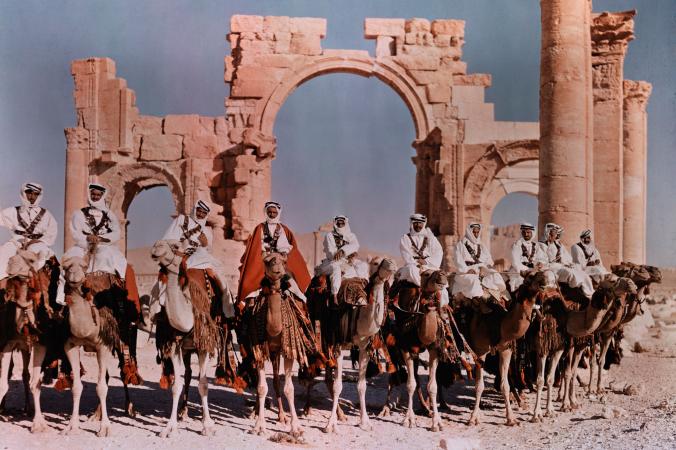
Perched atop camels, Syrians prepare to ride in front of the gateway at Palmyra in the 1930s.
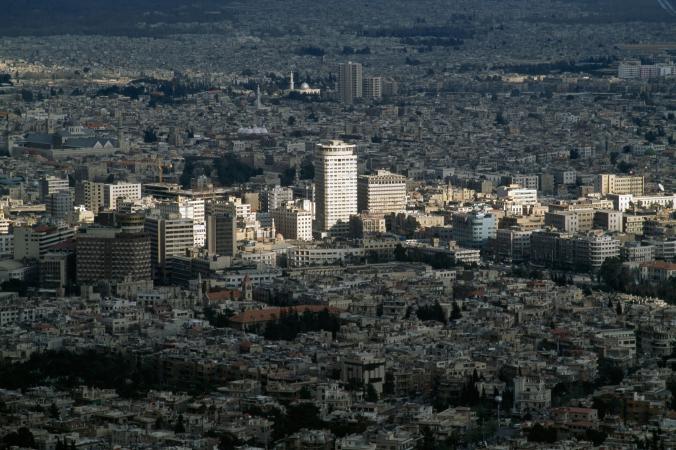
The modern buildings of Damascus, seen in 1997, rise above the ancient sites.
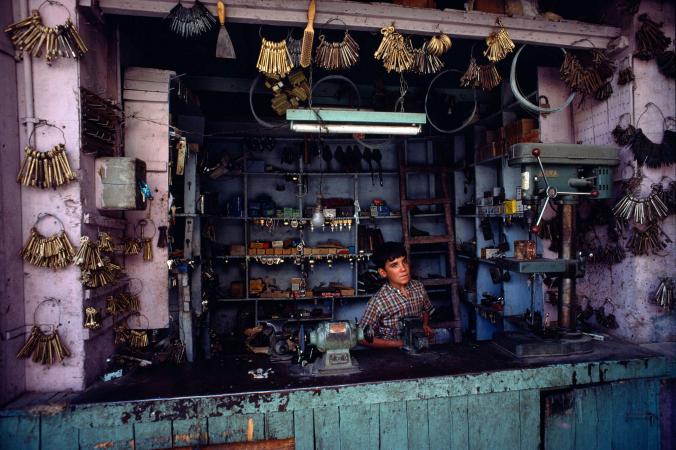
A boy works at a locksmith booth at a market.

Syrian kids pile on a car in Damascus.
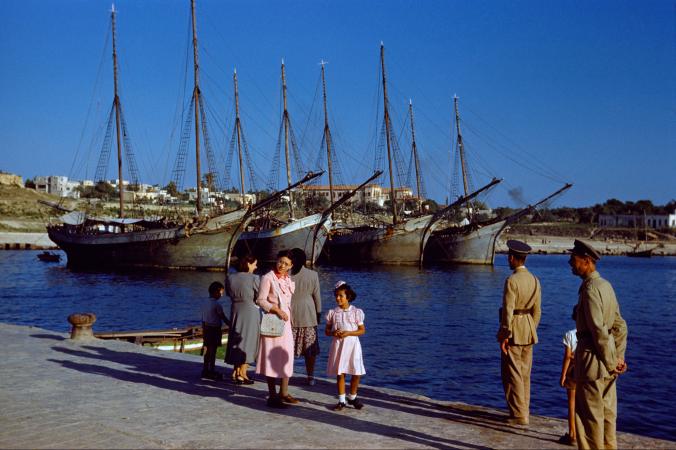
A mother and her daughter walk along the waterfront in Latakia.
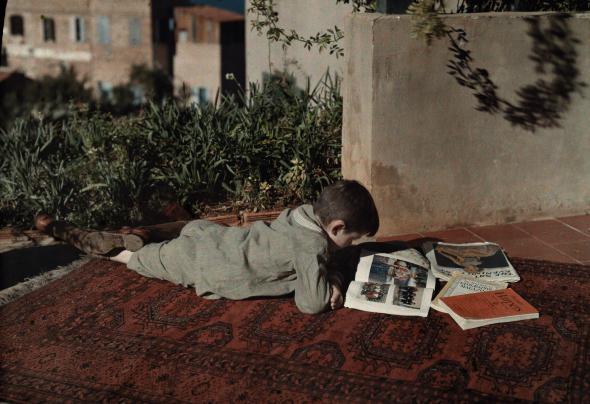
A boy reads an issue of National Geographic in Beirut when the city was part of Syria.
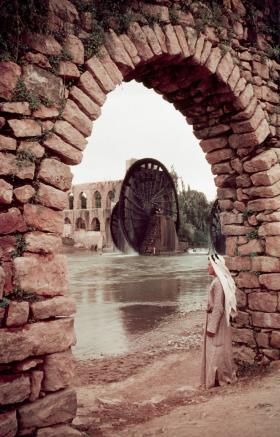
A waterwheel brings water from the Orontes River to an aqueduct in Hama. Thousands of years ago, the river served as an important trade route from modern-day Turkey, Lebanon, and Syria.


Original Source – National Geographic

#history#syria#syria-conflict#syria-history#syria-in-images#syria-pictures#syria-war

Related Intelligence

More articles
The Iranian Chokepoint: Why $200 Oil is Tehran’s Strategic Veto
Middle East

The Iranian Chokepoint: Why $200 Oil is Tehran’s Strategic Veto

As regional tensions escalate, Iran’s ability to throttle the Strait of Hormuz has transformed from a military threat into a sophisticated macroeconomic weapon designed to neutralise Western sanctions and leverage global energy markets.

16 Jun 2026

The Atlantic Fracture: Madrid’s Defiance and the End of Iran Consensus
Middle East

The Atlantic Fracture: Madrid’s Defiance and the End of Iran Consensus

Spain’s strategic pivot away from the American-led containment of Tehran signals a profound breakdown in Western unity. As Madrid prioritises Mediterranean stability over Atlanticist aggression, the global mechanics of Iranian isolation are crumbling.

14 Jun 2026

The Shattered Shield: Why the Middle East Containment Era Is Over
Middle East

The Shattered Shield: Why the Middle East Containment Era Is Over

As direct hostilities between Iran and Israel bypass traditional Western red lines, the decades-long American strategy of regional containment has collapsed, leaving a vacuum where total war is now a structural probability.

14 Jun 2026

The Price of Restoration: Why Modern Warfare Prefers Stasis
Middle East

The Price of Restoration: Why Modern Warfare Prefers Stasis

While the Iran-US conflict cycles through fragile ceasefires and violent escalations, a deeper economic logic is emerging. Total victory is being sidelined by the lucrative prospects of managed reconstruction and regional integration.

13 Jun 2026

The Deadlock of Calm: Why Washington and Tehran Cannot Close the Deal
Middle East

The Deadlock of Calm: Why Washington and Tehran Cannot Close the Deal

A fragile ceasefire has frozen the Middle East, yet structural domestic survival and regional leverage prevent both the United States and Iran from moving beyond a tactical pause into a permanent settlement.

8 Jun 2026

The Ethiopia-Somaliland Axis: Redefining the Horn’s Power Map
Middle East

The Ethiopia-Somaliland Axis: Redefining the Horn’s Power Map

Ethiopia’s push for sea access via Somaliland is more than a trade deal. It is a structural shift forcing a realignment between Nile basin interests and Red Sea security architectures.

1 Jun 2026