
KJ ReportsKJ Reports

Saudi Arabia’s next King secures power by confining Uncle to palace

30 June 2017596

Listen to this article

KJ narrates this report in his own voice

Saudi Arabia’s next King secures power by confining Uncle to palace

Read original article on Newsweek or read a quick summary below;

  1. According to officials, the Saudi prince removed as second-in-line to the throne last week, Mohammed bin Nayef, has been confined to his palace in the Red Sea city of Jeddah.
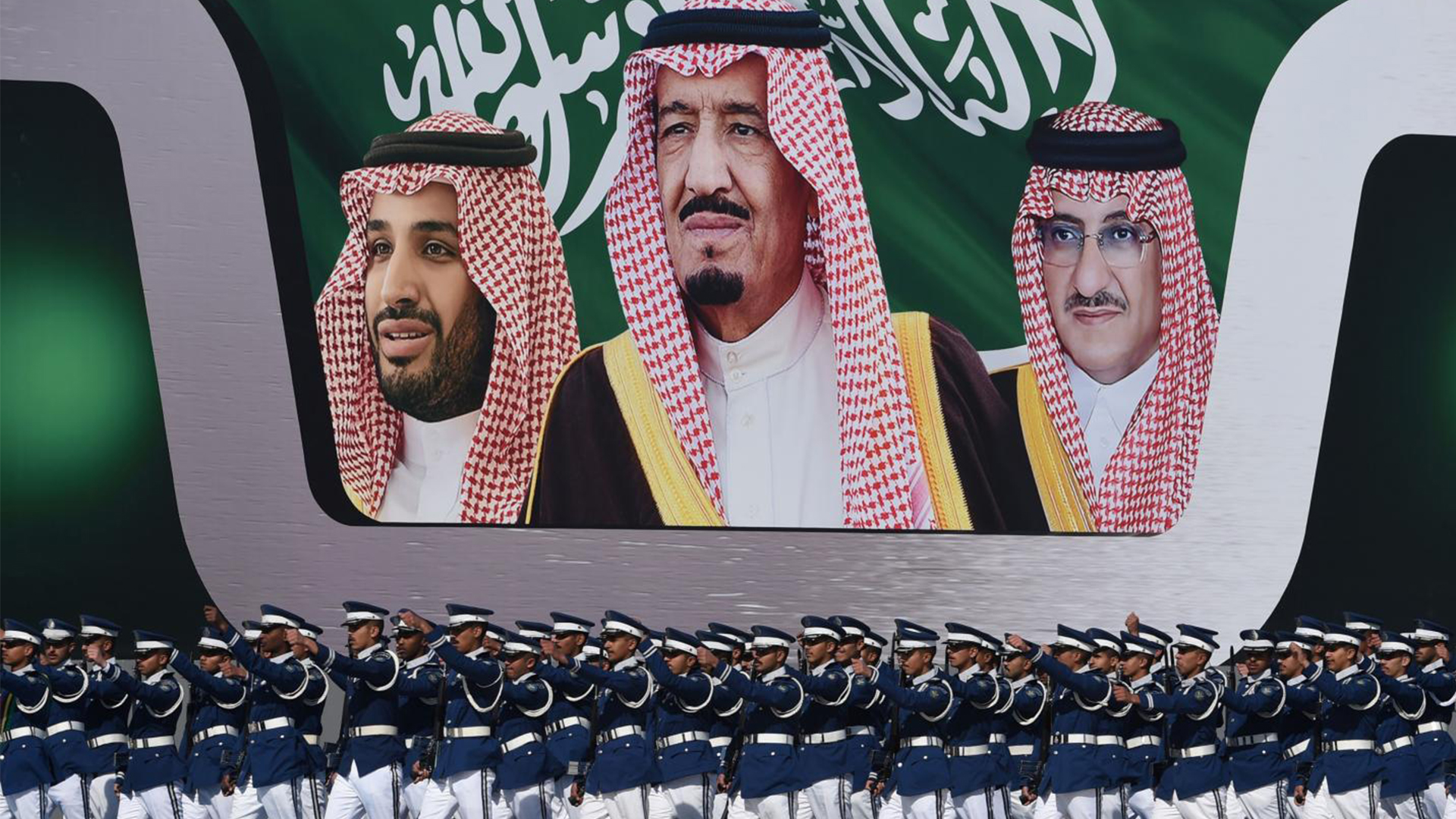
  2. The move is reportedly a bid to ensure no challenge to his 31-year-old successor, the modernizing face of Saudi Arabia and son of ageing King Salman, Mohammed bin Salman, four former and current Saudi and U.S. officials told the New York Times.
  3. The restrictions on his movements came after the reshuffle on Wednesday but it is unclear how long they will last. In the reshuffle, King Salman also replaced Nayef as Interior Minister with 33-year-old Prince Abdulaziz bin Saud.
  4. But Riyadh has been at pains to show a united front after the shake-up, showing the new crown prince, commonly known by his moniker “MbS,” kissing the hand of the very uncle he was replacing. Nayef also pledged allegiance to his nephew in a public show of support after the decision.
  5. Bin Salman is viewed as an ambitious figure with international prestige, one who has carried out state visits to meet the likes of U.S. Presidents Barack Obama and Donald Trump in Washington and Vladimir Putin in Moscow in place of his elderly father.
  6. Bin Salman, who diplomats refer to as “Mr. Everything” because of his power, is leading a reformist program known as Vision 2030, aiming to appease the frustrations of a population of which over half are under 25 years old. It seeks social and economic change while diversifying the country’s economy away from oil.

 

#abdulaziz-bin-saud#bin-salman#saudi-arabia#saudi-king#saudi-prince

Related Intelligence

More articles
The Iranian Chokepoint: Why $200 Oil is Tehran’s Strategic Veto
Middle East

The Iranian Chokepoint: Why $200 Oil is Tehran’s Strategic Veto

As regional tensions escalate, Iran’s ability to throttle the Strait of Hormuz has transformed from a military threat into a sophisticated macroeconomic weapon designed to neutralise Western sanctions and leverage global energy markets.

16 Jun 2026

The Atlantic Fracture: Madrid’s Defiance and the End of Iran Consensus
Middle East

The Atlantic Fracture: Madrid’s Defiance and the End of Iran Consensus

Spain’s strategic pivot away from the American-led containment of Tehran signals a profound breakdown in Western unity. As Madrid prioritises Mediterranean stability over Atlanticist aggression, the global mechanics of Iranian isolation are crumbling.

14 Jun 2026

The Shattered Shield: Why the Middle East Containment Era Is Over
Middle East

The Shattered Shield: Why the Middle East Containment Era Is Over

As direct hostilities between Iran and Israel bypass traditional Western red lines, the decades-long American strategy of regional containment has collapsed, leaving a vacuum where total war is now a structural probability.

14 Jun 2026

The Price of Restoration: Why Modern Warfare Prefers Stasis
Middle East

The Price of Restoration: Why Modern Warfare Prefers Stasis

While the Iran-US conflict cycles through fragile ceasefires and violent escalations, a deeper economic logic is emerging. Total victory is being sidelined by the lucrative prospects of managed reconstruction and regional integration.

13 Jun 2026

The Deadlock of Calm: Why Washington and Tehran Cannot Close the Deal
Middle East

The Deadlock of Calm: Why Washington and Tehran Cannot Close the Deal

A fragile ceasefire has frozen the Middle East, yet structural domestic survival and regional leverage prevent both the United States and Iran from moving beyond a tactical pause into a permanent settlement.

8 Jun 2026

The Ethiopia-Somaliland Axis: Redefining the Horn’s Power Map
Middle East

The Ethiopia-Somaliland Axis: Redefining the Horn’s Power Map

Ethiopia’s push for sea access via Somaliland is more than a trade deal. It is a structural shift forcing a realignment between Nile basin interests and Red Sea security architectures.

1 Jun 2026