
KJ ReportsKJ Reports

Qatar Rift – U.S. State Department issues public warning to Saudi Arabia and UAE

21 June 2017547

Listen to this article

KJ narrates this report in his own voice

Qatar Rift – U.S. State Department issues public warning to Saudi Arabia and UAE

Read original article on the Washington Post or read a quick summary below;

  1. The U.S. State Department issued an unusual public warning to Saudi Arabia and UAE suggesting they may have provoked a crisis and drawn in the United States on false pretenses.
  2. Department spokeswoman Heather Nauert said the administration was “mystified” that — two weeks after announcing a diplomatic and economic embargo against Qatar over alleged support for terrorism — Saudi Arabia and the UAE have not publicly detailed their complaints.

“The more that time goes by, the more doubt is raised about the actions taken by Saudi Arabia and the UAE,” Nauert said.”

“At this point, we are left with one simple question: Were the actions really about their concerns about Qatar’s alleged support for terrorism, or were they about the long-simmering grievances between and among the GCC countries?”

3. “At this point, we are left with one simple question: Were the actions really about their concerns about Qatar’s alleged support for terrorism, or were they about the long-simmering grievances between and among the GCC countries?”

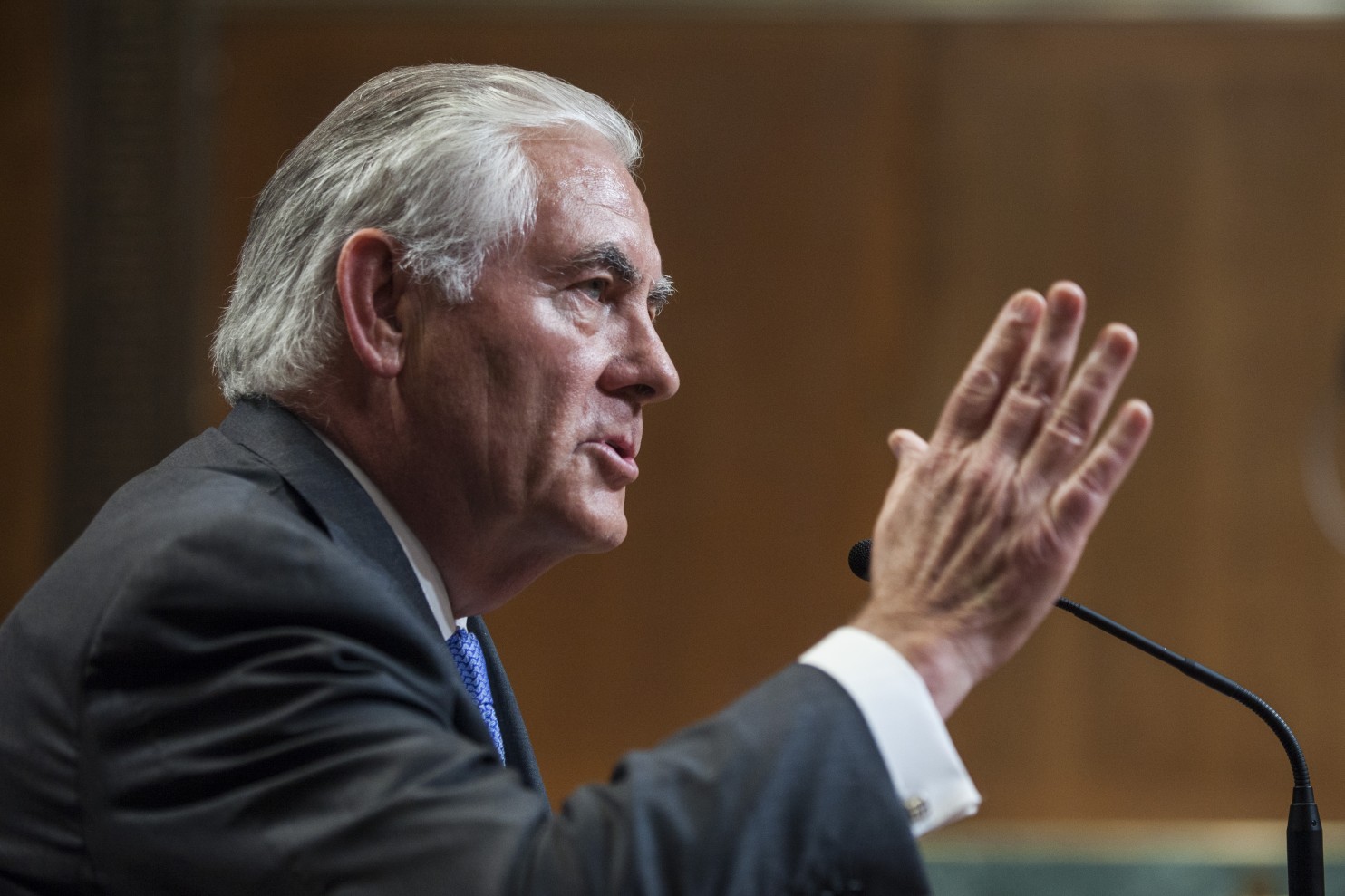
4. Tillerson has had more than 20 calls and meetings devoted to helping resolve the crisis, Nauert said, but now sees little further room for U.S. mediation. But, she said, he wants “results,” and is now saying: “Let’s finish this. Let’s get this going.”

5. At a high-level White House meeting on the crisis Friday, officials expressed frustration at the failure of Saudi Arabia, the Emiratis and the others to present a promised list of their demands of Qatar. “It’s been two weeks,” said one senior administration official, who spoke Tuesday of the sensitive issue on the condition of anonymity. “We still haven’t seen this list.”




#gcc#qatar-crisis#qatar-rift#saudi-arabia

Related Intelligence

More articles
The Iranian Chokepoint: Why $200 Oil is Tehran’s Strategic Veto
Middle East

The Iranian Chokepoint: Why $200 Oil is Tehran’s Strategic Veto

As regional tensions escalate, Iran’s ability to throttle the Strait of Hormuz has transformed from a military threat into a sophisticated macroeconomic weapon designed to neutralise Western sanctions and leverage global energy markets.

16 Jun 2026

The Atlantic Fracture: Madrid’s Defiance and the End of Iran Consensus
Middle East

The Atlantic Fracture: Madrid’s Defiance and the End of Iran Consensus

Spain’s strategic pivot away from the American-led containment of Tehran signals a profound breakdown in Western unity. As Madrid prioritises Mediterranean stability over Atlanticist aggression, the global mechanics of Iranian isolation are crumbling.

14 Jun 2026

The Shattered Shield: Why the Middle East Containment Era Is Over
Middle East

The Shattered Shield: Why the Middle East Containment Era Is Over

As direct hostilities between Iran and Israel bypass traditional Western red lines, the decades-long American strategy of regional containment has collapsed, leaving a vacuum where total war is now a structural probability.

14 Jun 2026

The Price of Restoration: Why Modern Warfare Prefers Stasis
Middle East

The Price of Restoration: Why Modern Warfare Prefers Stasis

While the Iran-US conflict cycles through fragile ceasefires and violent escalations, a deeper economic logic is emerging. Total victory is being sidelined by the lucrative prospects of managed reconstruction and regional integration.

13 Jun 2026

The Deadlock of Calm: Why Washington and Tehran Cannot Close the Deal
Middle East

The Deadlock of Calm: Why Washington and Tehran Cannot Close the Deal

A fragile ceasefire has frozen the Middle East, yet structural domestic survival and regional leverage prevent both the United States and Iran from moving beyond a tactical pause into a permanent settlement.

8 Jun 2026

The Ethiopia-Somaliland Axis: Redefining the Horn’s Power Map
Middle East

The Ethiopia-Somaliland Axis: Redefining the Horn’s Power Map

Ethiopia’s push for sea access via Somaliland is more than a trade deal. It is a structural shift forcing a realignment between Nile basin interests and Red Sea security architectures.

1 Jun 2026