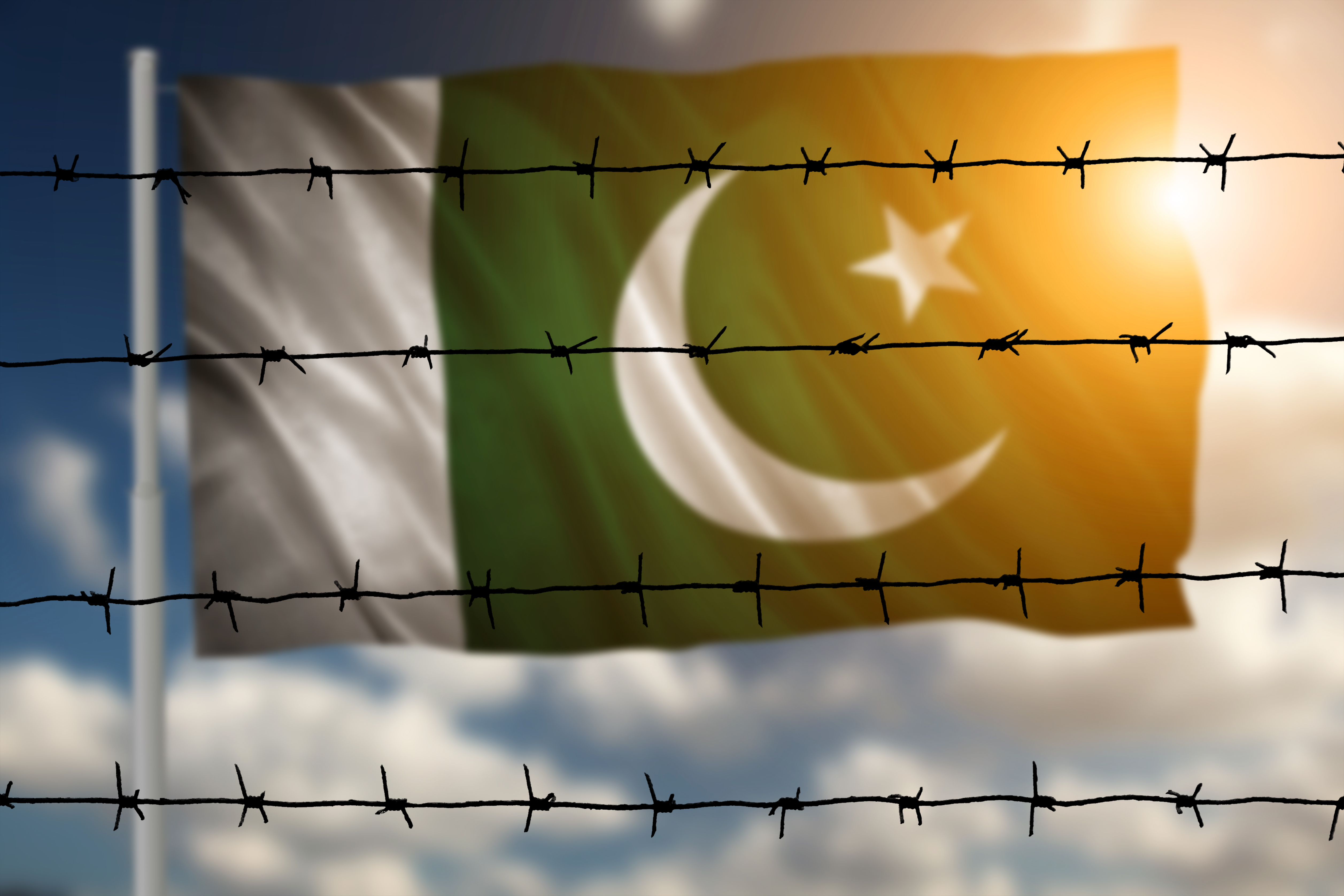
Pakistan is not witnessing a temporary liquidity crisis; it is experiencing the terminal decline of an extractive social contract. The current frantic negotiations with the International Monetary Fund (IMF) are part of a twenty-three-cycle pattern that provides just enough oxygen to keep the state breathing without ever treating the underlying respiratory failure. To understand why Pakistan never graduates from these programmes, one must look past the balance of payments and into the incentive structures of the ruling elite.
The Illusion of Reform
The standard narrative suggests that Pakistan suffers from poor management and external shocks. While true, this misses the fundamental driver: the Pakistani state is designed to transfer wealth from the productive many to the protected few. The military-industrial complex and a handful of land-owning and industrial dynasties benefit from a system of subsidies, tax exemptions, and protectionist barriers. For these actors, genuine IMF-mandated structural reform is not a path to prosperity, but a threat to their survival.
When the IMF demands a broadened tax base, it is asking the parliament—populated by those who benefit from agricultural tax exemptions—to tax themselves. When it demands an end to energy subsidies, it asks the government to risk popular uprisings that could trigger a military intervention. Consequently, every bailout follows the same arc: the government promises reform to unlock the first tranche, implements the bare minimum to satisfy the quarterly review, and then stalls as soon as the immediate threat of default recedes.
The Strategic Rentier Model
Pakistan has historically operated as a rentier state. Instead of exporting manufactured goods, it has exported its geography. During the Cold War and the War on Terror, Islamabad leveraged its position bordering Afghanistan and China to secure geopolitical rents from the United States. This created a culture of fiscal moral hazard. The leadership believed Pakistan was "too nuclear to fail" and "too strategically located to collapse."
However, the geography has not changed, but the buyers have. As the US pivoted to the Indo-Pacific and tightened its embrace of India, Pakistan’s strategic value to Washington plummeted. Beijing has stepped in with the China-Pakistan Economic Corridor (CPEC), but Chinese lending is commercial and rigid, not philanthropic. Pakistan is now discovering that its traditional leverage is failing, yet its internal consumption habits remain unchanged.
A Historical Parallel: The Ottoman Decline
The situation mirrors the late Ottoman Empire’s relationship with European creditors in the 19th century. The Ottomans became trapped in a cycle of taking new loans simply to pay the interest on old ones. Eventually, the Decree of Muharram forced the empire to cede control of its revenue streams to the Public Debt Administration. Pakistan is approaching a modern version of this. Decisions over energy prices, tax rates, and the value of its currency are no longer made in Islamabad, but in Washington and Beijing. Sovereignty is being traded for solvency, one tranche at a time.
What Most People Miss: The Demographic Time Bomb
Most analysts focus on the circular debt in the power sector or the foreign exchange reserves. What they miss is the catastrophic disconnect between the country's economic growth and its demographic expansion. Pakistan requires approximately 7-9% GDP growth specifically to absorb the youth entering the workforce. Currently, it struggles to achieve 2%. This means that even if the IMF prevents a total collapse, the social fabric is fraying. A default is a financial event; a failure to provide for 240 million people is a civilisational one.
The Invisible Tax: Inflation and Devaluation
Because the elite refuse to tax themselves, the state taxes the poor through the most regressive means possible: inflation. By printing money to cover the deficit and allowing the rupee to slide, the state effectively devalues the savings and purchasing power of the middle and lower classes. This is not an accident of policy; it is a choice. It allows the government to clear its domestic debts in cheaper currency while preserving the asset values of those who hold land, gold, or offshore accounts.
Strategic Consequences
- Dependency on Beijing: As Western lenders harden their stance, Pakistan becomes a captive market and a strategic client for China. This limits Pakistan's diplomatic flexibility and risks turning the country into a battleground for US-China competition.
- Erosion of State Capacity: Constant firefighting prevents any long-term planning. Infrastructure, education, and healthcare are sacrificed to maintain debt service and military parity with India.
- Internal Instability: The gap between the lifestyle of the elite and the reality of 30% inflation is fuel for populism and radicalisation. The state's inability to provide services creates a vacuum that non-state actors are eager to fill.
What to Watch
- The CPEC Renegotiations: Watch if China agrees to restructure debt. If they refuse, it’s a sign they are prioritising their own financial discipline over Islamabad’s stability.
- Agricultural Tax Legislation: Any real move to tax large landholdings would signal a genuine shift in power dynamics. It remains highly unlikely.
- The Gulf Intervention: Saudi Arabia and the UAE are moving from "gifts" to "investments." Watch for the sale of state-owned assets—ports, mines, and airports—to Gulf sovereign wealth funds.
The KJ Verdict
Pakistan is not heading toward a single “Minsky Moment” of collapse, but rather a prolonged “Lebanonisation.” The IMF will likely continue to provide just enough funding to prevent a global systemic shock, but never enough to foster independence. The real tragedy is that the tools for recovery—taxing the wealthy, cutting unproductive spending, and normalizing trade with neighbours—are politically impossible for the current stakeholders. Expect the spiral to continue until the cost of maintaining the status quo exceeds the cost of a total systemic reset. We are not there yet, but the margin for error has vanished.