KJ ReportsKJ Reports

KJ Poll Result – 62% of KJ Fans believe Erdogan should cut ties with Putin?

24 March 2018663

Listen to this article

KJ narrates this report in his own voice

KJ Poll Result – 62% of KJ Fans believe Erdogan should cut ties with Putin?

On 2nd March 2017, KJ Vids ran a poll asking it’s fans “Should Erdogan cut ties with Putin?”

There were 3,800 votes from which 62% answered “Yes” and 38% voted “No”

There were hundreds of comments in the post which can be read on Facebook.

https://www.facebook.com/KJVids/posts/1607156999338582

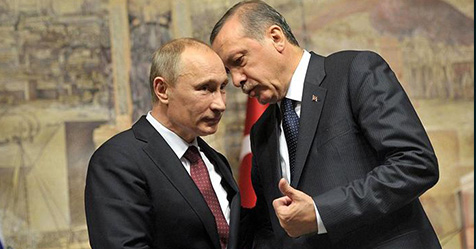
Ties between Russia and Turkey are back on track, Russian President Vladimir Putin has said as he met with Turkish counterpart Recep Tayyip Erdogan in the southern city of Sochi for talks set to focus on the Syrian conflict.

“I want to note at the beginning of our meeting that our relations can be considered practically completely restored,” Putin was quoted as saying by the Russian state news agency TASS on November 13 2017.

Relations between Russia and Turkey soured badly after Turkish jets shot down a Russian warplane near the Syrian border in November 2015, but Putin and Erdogan have taken steps to mend ties since then.

Along with Iran, they have sponsored a series of negotiations on the Syria conflict in Kazakhstan’s capital, Astana.

Addressing reporters in Istanbul on November 13 before departing for Sochi, Erdogan described Putin as “my dear friend.”

The Kremlin has said that Putin and Erdogan plan to discuss regional and international issues including the “joint fight against terrorism” and the efforts to end the more than six-year war in Syria, Turkey’s southern neighbor.

They are also expected to discuss prospects for increasing bilateral trade and cooperation in the energy sector, it said.

Erdogan said he would discuss with Putin more technical details on plans to buy S-400 surface-to-air missile systems from Russia.

Putin and Erdogan last met in Ankara on September 28. After the talks, the two presidents said they agreed to closely cooperate on ending Syria’s civil war.

Russia has given crucial military and diplomatic backing to Syrian President Bashar al-Assad’s government throughout the war, which began with a government crackdown on protesters and has killed hundreds of thousands of people.
With reporting by dpa, TASS, Interfax, and Reuters
#erdogan#erdogan-alliance#putin#russia#turkey-russia-ties

Related Intelligence

More articles
The Iranian Chokepoint: Why $200 Oil is Tehran’s Strategic Veto
Middle East

The Iranian Chokepoint: Why $200 Oil is Tehran’s Strategic Veto

As regional tensions escalate, Iran’s ability to throttle the Strait of Hormuz has transformed from a military threat into a sophisticated macroeconomic weapon designed to neutralise Western sanctions and leverage global energy markets.

16 Jun 2026

The Atlantic Fracture: Madrid’s Defiance and the End of Iran Consensus
Middle East

The Atlantic Fracture: Madrid’s Defiance and the End of Iran Consensus

Spain’s strategic pivot away from the American-led containment of Tehran signals a profound breakdown in Western unity. As Madrid prioritises Mediterranean stability over Atlanticist aggression, the global mechanics of Iranian isolation are crumbling.

14 Jun 2026

The Shattered Shield: Why the Middle East Containment Era Is Over
Middle East

The Shattered Shield: Why the Middle East Containment Era Is Over

As direct hostilities between Iran and Israel bypass traditional Western red lines, the decades-long American strategy of regional containment has collapsed, leaving a vacuum where total war is now a structural probability.

14 Jun 2026

The Price of Restoration: Why Modern Warfare Prefers Stasis
Middle East

The Price of Restoration: Why Modern Warfare Prefers Stasis

While the Iran-US conflict cycles through fragile ceasefires and violent escalations, a deeper economic logic is emerging. Total victory is being sidelined by the lucrative prospects of managed reconstruction and regional integration.

13 Jun 2026

The Deadlock of Calm: Why Washington and Tehran Cannot Close the Deal
Middle East

The Deadlock of Calm: Why Washington and Tehran Cannot Close the Deal

A fragile ceasefire has frozen the Middle East, yet structural domestic survival and regional leverage prevent both the United States and Iran from moving beyond a tactical pause into a permanent settlement.

8 Jun 2026

The Ethiopia-Somaliland Axis: Redefining the Horn’s Power Map
Middle East

The Ethiopia-Somaliland Axis: Redefining the Horn’s Power Map

Ethiopia’s push for sea access via Somaliland is more than a trade deal. It is a structural shift forcing a realignment between Nile basin interests and Red Sea security architectures.

1 Jun 2026