1. Salvini calls for new elections
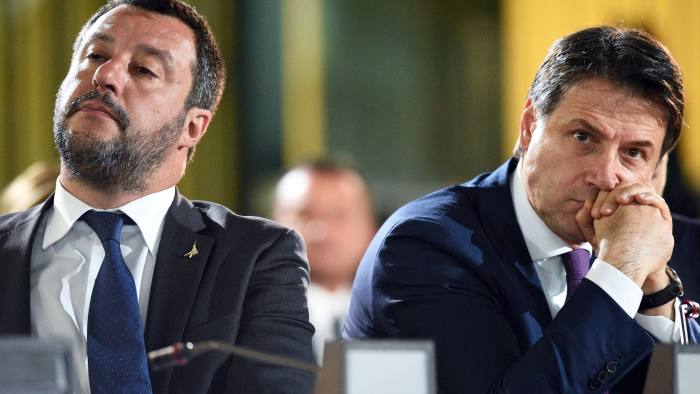
The leader of Italy’s ruling League party, Deputy Prime Minister Matteo Salvini, declared the governing coalition to be unworkable on Thursday after months of internal bickering and said the only way forward was to hold fresh elections. The shock announcement follows a period of intense public conflict and debate between the right-wing League and its coalition partner, the anti-establishment 5-Star Movement, and it throws Italy into an uncertain political future. Salvini said in a statement he had told Prime Minister Giuseppe Conte, who belongs to neither coalition party, that the alliance with 5-Star had collapsed after barely a year in power and “we should quickly give the choice back to the voters”. 5-Star was the largest party at last year’s elections but it has struggled since the government was formed, while Salvini has prospered thanks to his popular hard line on immigration and a charismatic and informal “man of the people” public image. The call for an election looks like a smart move by Salvini at the right time, but it remains to be seen whether it will happen.
2. Increased focus on anti-migration
Salvini and the right-wing coalition has clearly noticed the popularity it is gaining from its anti-immigration policy and is stepping it up. Italy now appears to be targeting rescue boats on the Mediterranean, which has sparked the concern of the UK and the EU. The new law which was passed gives the government in Rome more authority to block ships trying to bring migrants ashore.
3. EU tensions becoming dangerous
Italy’s continuous persistence in its anti-migration policy, and its dismissal of EU opposition could become an issue for them, as THE EUROPEAN Commission sent a thinly veiled warning to Italy’s populist leaders on Tuesday, saying it would have to look into whether a controversial new law targeting charities operating migrant rescue ships was in breach of EU rules. The Commission will “analyse” the new legislation in order to “verify whether it is compatible with European law,” a spokesperson for the bloc’s executive said. Should they be found guilty, they could face sanctions from the bloc, which would severely hurt the Italian economy.
4. How long can Italy’s populist government last?
Italy’s populist government has been in power for all of 13 months and already speculation is rife about its imminent demise. There are many in the League who want to cash in their chips and try and force new elections this fall. Within the M5S, opposition to party leader Luigi Di Maio, Salvini’s fellow deputy prime minister, is growing more vocal. Key members, notably Alessandro Di Battista, a journalist and writer who casts himself as the conscience of the M5S, have been urging Di Maio to return to the party’s roots as an anti-establishment force. Nevertheless, if an election is called, its result will be key in determining the future of Italy’s economy and relations with the EU.
5. Berlusconi re-appears to take advantage
Silvio Berlusconi has seen the political scenario, and it appears he wants to take advantage of the situation and make a push. However, the success of this move is very unlikely, as Berlusconi’s Forza Italia party is on turmoil after parting company with Ligurian Governor Giovanni Toti. Toti, a former journalist and manager in the ex-premier’s media empire, was not named in a new party coordination panel announced on Thursday. “Good luck. Everyone is going their own way,” said Toti. Berlusconi’s persistence could pay off someday, but for now the chances as slim, even with the current slender political situation.