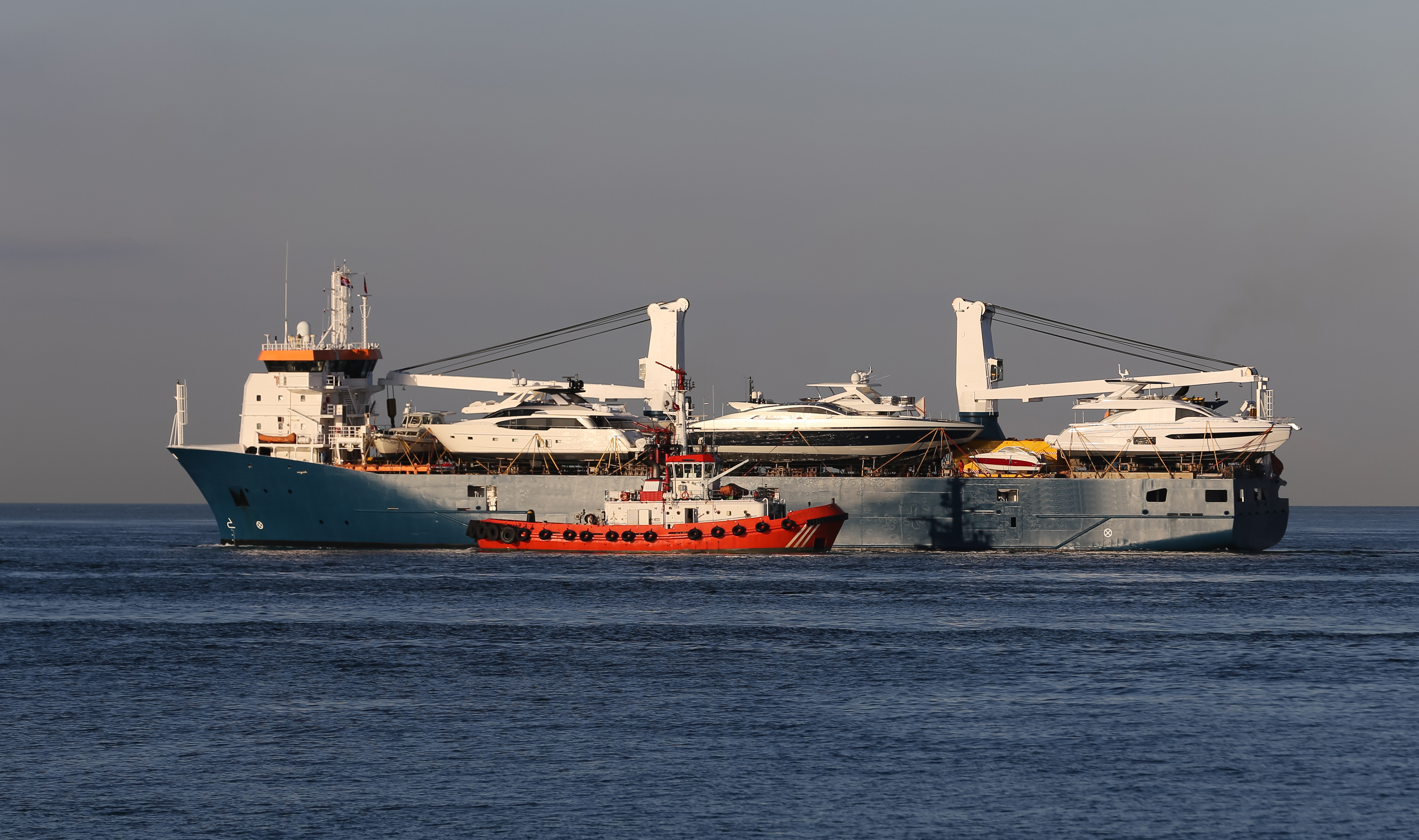
The strategic utility of the Crimean Peninsula has inverted. For three centuries, Sevastopol served as the primary instrument of Russian power projection in the Black Sea and Mediterranean. Today, it has become a liability. The paradox is simple: the more vulnerable Russia’s critical infrastructure in Crimea becomes, the less room Moscow has for tactical retreat. Instead of forcing a settlement, the systematic degradation of the Black Sea Fleet’s home port is triggering a terminal escalation logic. Moscow is now incentivised to expand the conflict’s geography to offset the loss of its most symbolic strategic asset.
The Infrastructure Trap
Geopolitics is governed by the friction between geography and technology. Russia’s presence in Crimea was built on the assumption of naval dominance and the sanctuary of distance. The arrival of long-range precision fires, domestic Ukrainian drone production, and Western satellite intelligence has stripped away that sanctuary. When a state cannot protect its most prized strategic base, it faces two choices: accept a diminished status or change the rules of the engagement.
For the Kremlin, the status of Sevastopol is not merely military; it is foundational to the legitimacy of the current political order. The 2014 annexation was marketed to the Russian public as a permanent correction of history. The physical degradation of the port—the dry docks, the headquarters, and the fuel depots—undermines the central promise of the Putin era: security through strength. Consequently, as the infrastructure fails, the incentive to use non-conventional levers of pressure against the West increases. The vulnerability of Crimea is directly proportional to the risk of sabotage on European undersea infrastructure or the escalation of grey-zone warfare in the Baltics.
Human Incentives and the Zero-Sum Game
To understand the current escalatory path, one must look at the incentives of the Russian military command. In a centralized autocracy, failure is often fatal. The loss of capital ships and the retreat of the fleet to Novorossiysk represents a catastrophic failure of the primary mission. To survive politically, the leadership must demonstrate that the cost of attacking Crimea is unbearable for Ukraine’s backers. This is not about winning the war in the traditional sense; it is about managing the perception of defeat.
Ukraine’s incentive is equally rigid. By targeting the logistics hubs of Crimea, Kyiv is not just fighting a war of attrition; it is conducting a psychological operation against the Russian elite. Every successful strike on a Sevastopol pier is a message to the Russian billionaire class and the security services that the cost of empire is rising faster than the benefits. However, this pressure creates a cornered-rat dynamic. When a nuclear-armed power perceives a vital interest is being permanently severed, its threshold for using 'asymmetric' tools drops significantly.
The Historical Parallel: Port Arthur, 1904
History offers a sobering precedent in the Siege of Port Arthur during the Russo-Japanese War. Like Sevastopol, Port Arthur was a warm-water prize that Russia considered essential for its global standing. The Russian leadership’s inability to accept the loss of the port led to a series of increasingly desperate military gambles, including the disastrous dispatch of the Baltic Fleet around the world to its destruction at Tsushima. The ultimate fallout was not just military defeat, but the 1905 Revolution. The lesson is that for Russia, the loss of a strategic port is often the precursor to internal systemic collapse. The current administration is acutely aware of this history and will likely burn more resources than a rational actor would to prevent a repeat.
What Most People Miss: The Novorossiysk Limitation
The common narrative suggests that Russia can simply relocate its naval power to Novorossiysk on the Russian mainland. This is a technical misunderstanding of naval logistics. Novorossiysk lacks the specialized repair facilities, ammunition storage, and deep-water berths necessary to sustain a modern fleet under combat conditions. Furthermore, it is a commercial port essential for Russia’s oil and grain exports. Mixing military targets with Russia’s economic lifeblood makes the mainland port a strategic nightmare. By forcing the fleet out of Sevastopol, Ukraine isn't just moving ships; it is effectively neutralizing the Black Sea Fleet as a coherent fighting force, as Novorossiysk cannot support the required operational tempo.
Strategic Consequences
The terminal logic of this situation leads to three second-order effects:
- The End of the Sanctuary: Russia will likely declare that any future Western-facilitated strikes on Crimean infrastructure will be met with attacks on the reconnaissance assets—specifically UAVs and satellites—that enable them.
- Energy Weaponization: As the fleet loses its ability to blockade Ukrainian ports, Russia will pivot toward the total destruction of Ukraine’s energy grid and gas transit infrastructure to ensure that if Crimea is a burden for Russia, Ukraine becomes a burden for Europe.
- Nuclear Posturing as Policy: We are entering a phase where 'sabre-rattling' becomes a permanent feature of diplomatic communication. Moscow will use the threat of tactical deployment not to end the war, but to freeze the front lines before Sevastopol becomes completely untenable.
What to Watch
- Deep-water pier construction: Watch for rapid Russian investment in the port of Ochamchire in occupied Abkhazia, Georgia. This would signal a permanent admission that Sevastopol is lost.
- Electronic Warfare expansion: Increased GPS jamming and signal interference in the Black Sea basin affecting civilian aviation and shipping.
- Western 'Red Line' shifts: Any change in the rules of engagement for Western-supplied long-range missiles regarding targets inside Russia’s pre-2014 borders.
The KJ Verdict
The Sevastopol Paradox suggests that the more successful Ukraine is at dismantling Russia’s Crimean infrastructure, the more dangerous the conflict becomes for the West. We are witnessing the slow-motion death of a 300-year naval tradition. For a regime that defines itself by historical continuity, this is not a tactical setback—it is an existential threat. Expect Moscow to respond not with retreat, but with a deliberate expansion of the 'theatre of pain' into the European heartland. The era of localized conflict is ending; the era of systemic regional instability has begun.