The Great Famine in the mid-19th century was one of the most devastating events in Irish history.
Between 1845 and 1852, potato blight hit the island’s potato crop. The potato was a staple item of food in Ireland. A lack of good harvesting led to mass starvation, disease, and the deaths of nearly a million people.
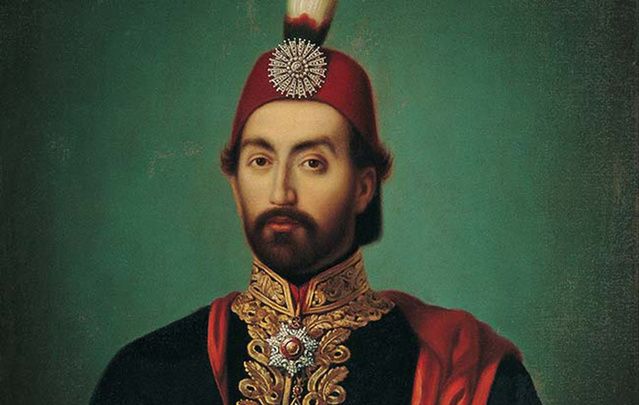
One of the unexpected sources of aid in this crisis was the Ottoman Caliphate. Sultan Abdul Majeed I the First, went out of his way to try to help so he could ease the suffering of the Irish people.
Sultan Abdul Majeed was only 23 years old in 1847 when he personally offered £10,000 in aid to Ireland, but he had already ruled the Caliphate for nearly ten years.
In that time, he earned the admiration of many of his own subjects and others around the world. But this time he would have to scale back his generosity.
British diplomats advised him that it would be offensive for anyone to offer more than Queen Victoria, who had only donated £2,000.
It was suggested that he should donate half of that amount, so he gave £1,000.
The Sultan’s donation was appreciated by the public in Britain and Ireland as well. One English religious journal published an article titled “A Benevolent Sultan” in which the author wrote,
“For the first time a Mohammedan sovereign, representing multitudinous Islamic populations, manifests spontaneously a warm sympathy with a Christian nation. May such sympathies, in all the genial charities of a common humanity, be cultivated and henceforth ever be maintained between the followers of the crescent and the cross!”
The press also blamed the British diplomats in Constantinople for rejecting the initial donation of £10,000 just to avoid embarrassing Queen Victoria.
Meanwhile, Sultan Abdul Majeed had found other ways to help.
Today, the port town of Drogheda in Ireland includes a crescent and a star, both of which are symbols of Islam, in its coat of arms.
Local tradition in the town has it that these symbols were adopted after the Ottoman Empire secretly sent five ships loaded with food to the town in May 1847.
The reason for the secrecy is that the British administration had allegedly tried to block the ships from entering Drogheda’s harbor.
Evidence that story these claims include newspaper articles from the period and a letter from Irish notables explicitly thanking the sultan for his help.
The nationalist Irish Freeman’s Journal celebrated these efforts.
“The conduct of Abdul Majeed on the occasion referred to,” the author wrote, “was that of a good, humane, and generous man. A believer in Mohammedanism, he acted in the true spirit of a follower of Christ, and set an example which many professing Christians would do well to imitate.”
Though Abdul Majeed probably hadn’t expected any kind of returns on his aid to the Irish, some of them rallied to his side in 1854, just two years after the famine ended.
Britain had become involved in the Crimean War to defend Ottoman territory against an expanding Russian Empire.
In addition to Irish nurses and engineers (and some of the first war journalists in history), about 30,000 Irish soldiers served in the war.
Despite the suffering that they and their families had endured during the Great Famine, they were noticed to be serving enthusiastically in defense of the territory of the sultan who had helped them in their time of need.
Support our content by becoming a KJ Patreon
https://www.patreon.com/kjvids
Website – www.kjvids.co.uk
Facebook – www.facebook.com/KJVids
Twitter – www.twitter.com/kjvids2016
Instagram – www.instagram.com/kjvidsofficial
All Rights Reserved. Contact info@kjvids.co.uk if you are interested in licensing our content, advertising or working with us in other ways.