1. EU countries have agreed on a plan to handle migrants
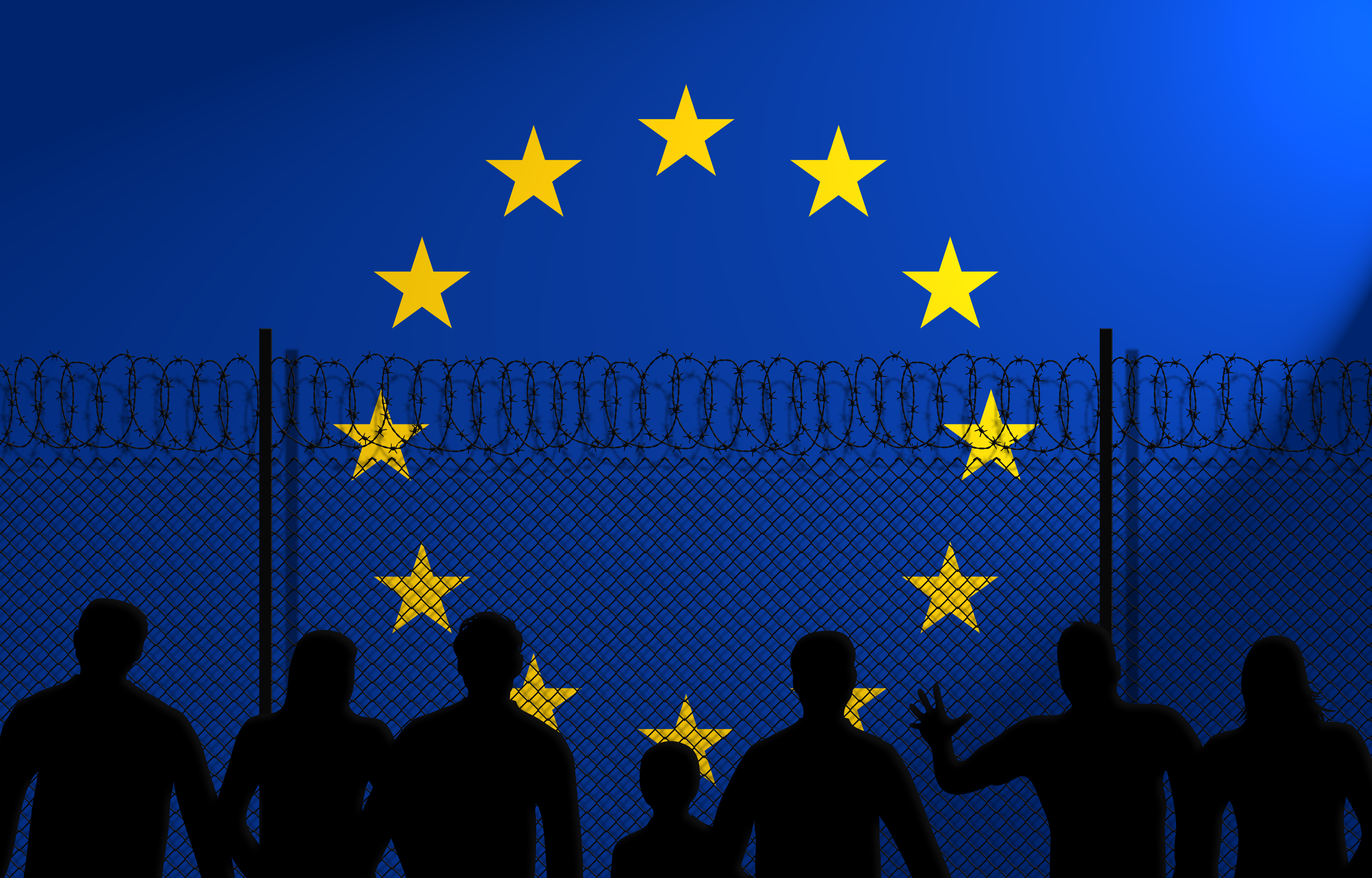
According to French President Emmanuel Macron, European countries have made progress on plans to redistribute refugees rescued in the Mediterranean. Italian interior minister Matteo Salvini has voiced his criticism towards those plans. Europe has been struggling to deal with the continuation of the flow of thousands of immigrants across the Mediterranean, which has led to a hard-line response in some countries, like Italy, as they bear the chunk of the problem. An agreement, which aims to work towards a more efficient system of redistributing rescued people, was reached late on Monday at a meeting in Paris under French chairmanship. 14 states have reportedly approved the plan.
2. Italy does not allow migrants to get off vessel
In a sign of desperation and disappointment to Europe’s prolonged response, Italy has not allowed the passengers of an Italian coast guard vessel carrying some 130 migrants rescued in the Mediterranean to leave the vessel until Brussels decides on which countries will take them in, according to Transport Minister Danilo Toninelli. His words echo those of hard-line anti-immigration Interior Minister Matteo Salvini, who had previously not allowed the ship to dock while insisting on Friday that other EU countries had to commit to taking in the migrants before they would be allowed to disembark on Italian territory. The moves signal Italy’s distress as well as the high rate of migration across the Mediterranean.
3. Rise of anti-immigration parties in Europe
The results of May’s European Parliament elections revealed the true extent of the popularity of far-right, nationalist parties, all but ruling out constructive debates on the politically sensitive topic of migrants and asylum seekers as well as the grievances of minority groups. The European nation is now likely to take a more hard-line approach to immigration, similar to that of Salvini, leaving the future of migrants on uncertain grounds. This has to lead to many European governments to being deadlocked on a planned revision of the EU’s immigration policy
4. EU takes Hungary to court over new immigration law
The EU has shown it has the will to fight for its immigration policy as it is taking Hungary to court over the country’s immigration law, German public broadcaster Deutsche Welle reported. The legal action by Brussels seeks to repeal a law passed last year by Hungary’s parliament aimed at securing the country’s borders and combating illegal trafficking of migrants. The case will he heard by the top EU court, the European Court of Justice. “Hungary could face economic sanction if the court side with the EU,” German state broadcaster ARD noted. This situation signifies the divide in Europe, the rise of populism has brought regarding the immigration issue, which could take a long time to resolve.
5. Latin Americans could look to Europe
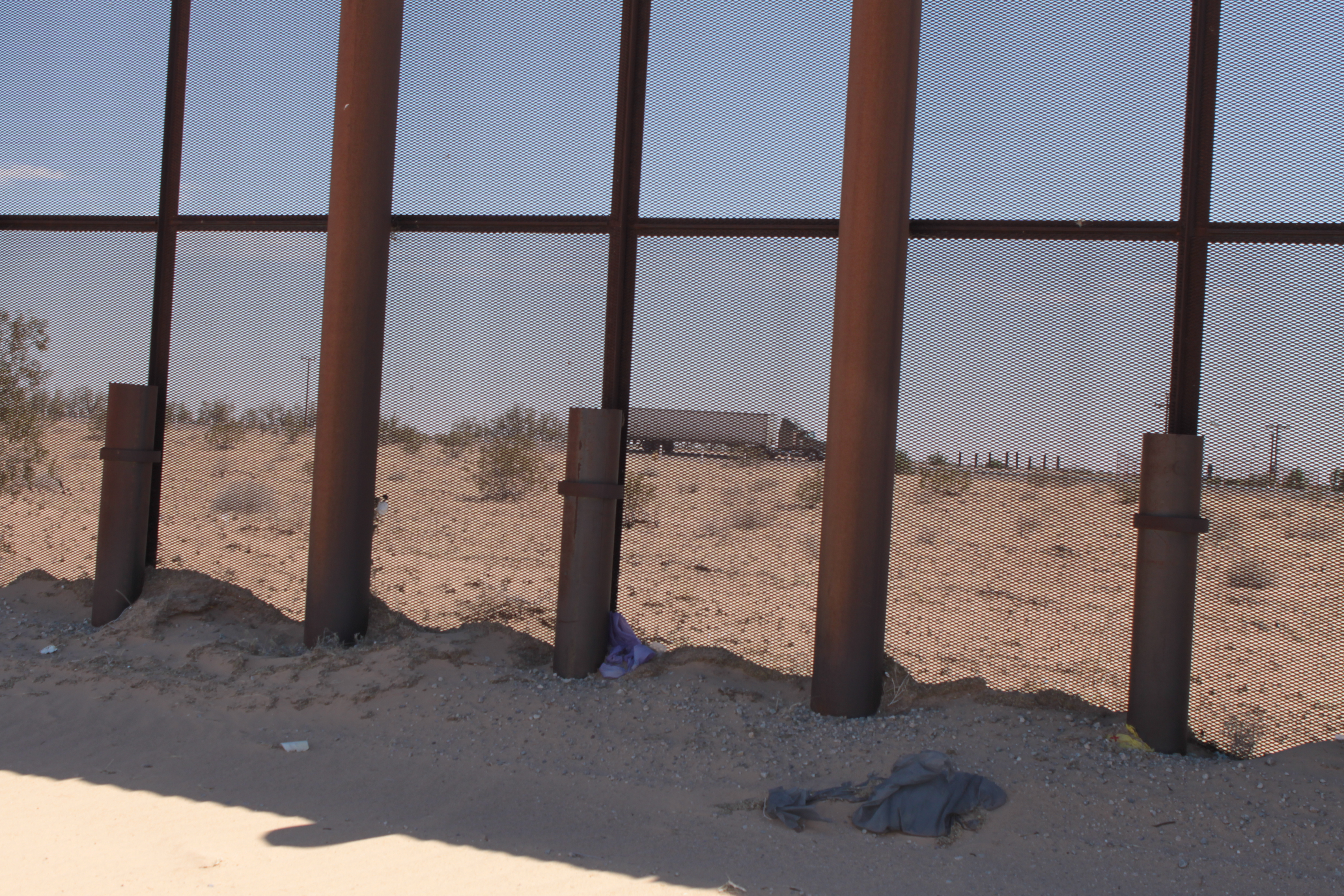
As Trump has his plan for the construction of a wall approved, Latin Americans are flocking to Europe, which could give the EU another issue to deal with. The European Asylum Support Office reported this month that an 11% increase in people seeking political asylum in Europe since last year is being driven by people fleeing economic disasters, political repression and criminal violence in Venezuela, El Salvador, Colombia, Honduras, Nicaragua and Peru. Spain remains the prime European destination for Latin Americans. Figures from the Spanish asylum and refugee office – part of the country’s interior ministry – show that asylum applications from Central America have more than tripled over the past two years. It remains to be seen how the EU will react to this new influx and how it will impact European economies.