1. Rise of Populism
Across Europe, Rightwing, populist and nationalist leaders have welcomed Boris Johnson’s imminent arrival in Downing Street. Matteo Salvini for instance, the deputy PM of Italy, wished Johnson all the best, and said “The fact that on the left they are painting him as ‘more dangerous than the League’ makes me like him even more.”, while the leader of the far-right party in Germany Alice Weidel also congratulated Johnson, saying “The EU grandees are getting the British prime minister they deserve.” It is no secret that Johnson is viewed by many as a populist leader, with his election signalling the rise of populism in Europe has reached an unprecedented level.
2. Scotland moves away
Scotland’s Conservative leader Ruth Davidson has openly voiced her dissatisfaction from the election of Johnson as new PM, saying that Johnson was not her choice, but said she would “judge his premiership by his actions in office.” Scottish First Minister Nicola Sturgeon also said she had “profound concerns about the prospect of his premiership.” This hostile atmosphere in Scotland towards Johnson’s election could lead to an acceleration of the breakaway of Scotland from the UK, as they have long wanted to do.
3. The similarity to Trump:
US President Donald Trump has made his positive feelings visible after the election of Boris Johnson as Britain’s new Prime Minister, and like many has likened Johnson to himself, admitting the similarity between them. Trump stated “I said, he’ll be a great prime minister, He’s been very nice to me. He’s been saying very good things about me as president. I think he thinks I’m doing a great job. I am doing a great job, that I can tell you. Just in case you haven’t noticed. But Boris Johnson, I think would be a great prime minister.”, as well as calling him the “British Trump”. We can see the similarity both in presentation and policies, as both are outspoken, with a controversial history, as well as the “tell it like it is” approach to politics.
4. Mixed reactions in the EU:
Johnson’s election has not been greeted with a positive response from the European Union, as Brussels rejected the incoming British prime minister’s Brexit demands and an ominous warning by the newly appointed European Commission president about the “challenging times ahead.”
Furthermore, at a recent press conference in Brussels, Frans Timmermans, Juncker’s deputy in the commission, did not take back his recent comments in which he accused Johnson of “playing games” with Brexit, as well as adding that the new prime minister’s “character, persona, attitude” would have no bearing on the EU’s negotiating position. The Dutch former minister said, “He took a long time deciding whether he was for or against Brexit. And now his position is clear. I think the position of the EU is also clear. The United Kingdom reached an agreement with the European Union and the European Union will stick to that agreement. And we will hear what the new prime minister has to say when he comes to Brussels.”
Despite this, the EU also sent signals of optimism after the results of the elections were confirmed, Ursula von der Leyen, who will replace Jean-Claude Juncker on 1 November, as well as Juncker himself, sent positive messages to the new PM.
5. Brexit on the line:
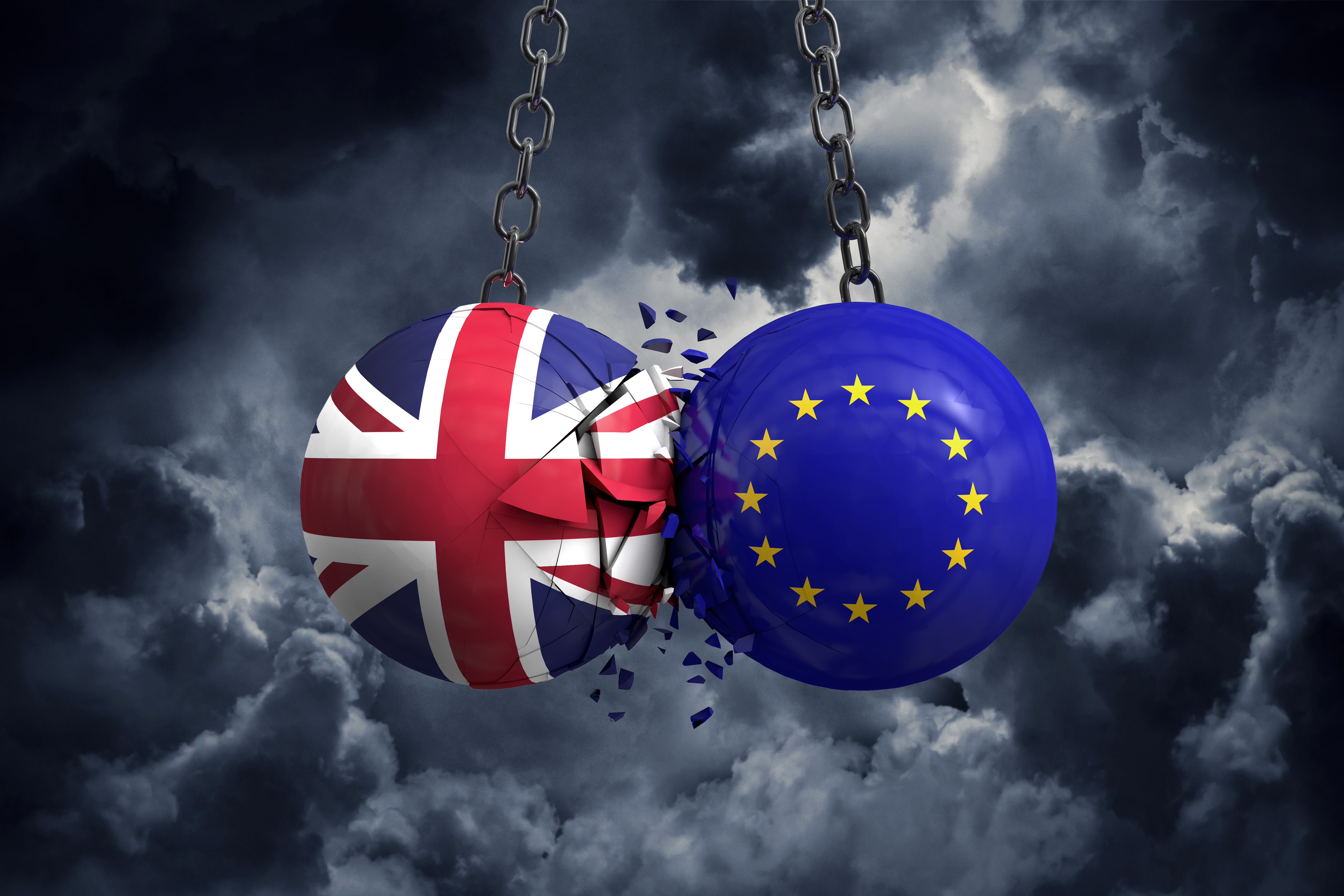
The election of Boris Johnson as new PM looks to have mixed reactions across the EU and whether it will speed up or slow down negotiations between the UK and the EU cannot be judged before their first meeting to understand the positions of both parties and whether they have changed. One thing we do know is that Boris Johnson will insist on the economic terms May put forward as well as adding his own. This insistence could be detrimental to negotiations, as the EU has already shown it would not accept them, which could lead to a no-deal Brexit. If Johnson wants to keep the promises made at the Queen Elizabeth II centre today, he will need to make several compromises.