European strategic autonomy was always a project built on German surplus. For decades, the European Union’s ambition to act as a third pole in a bipolar world relied on a simple bargain: French military and diplomatic projection funded by German industrial dominance. That bargain has expired. The exhaustion of the German model—driven by the permanent loss of cheap Russian energy, the erosion of the automotive sector by Chinese technology, and a crippling demographic deficit—has shifted Berlin from the EU’s engine to its greatest structural liability.
The Broken Engine
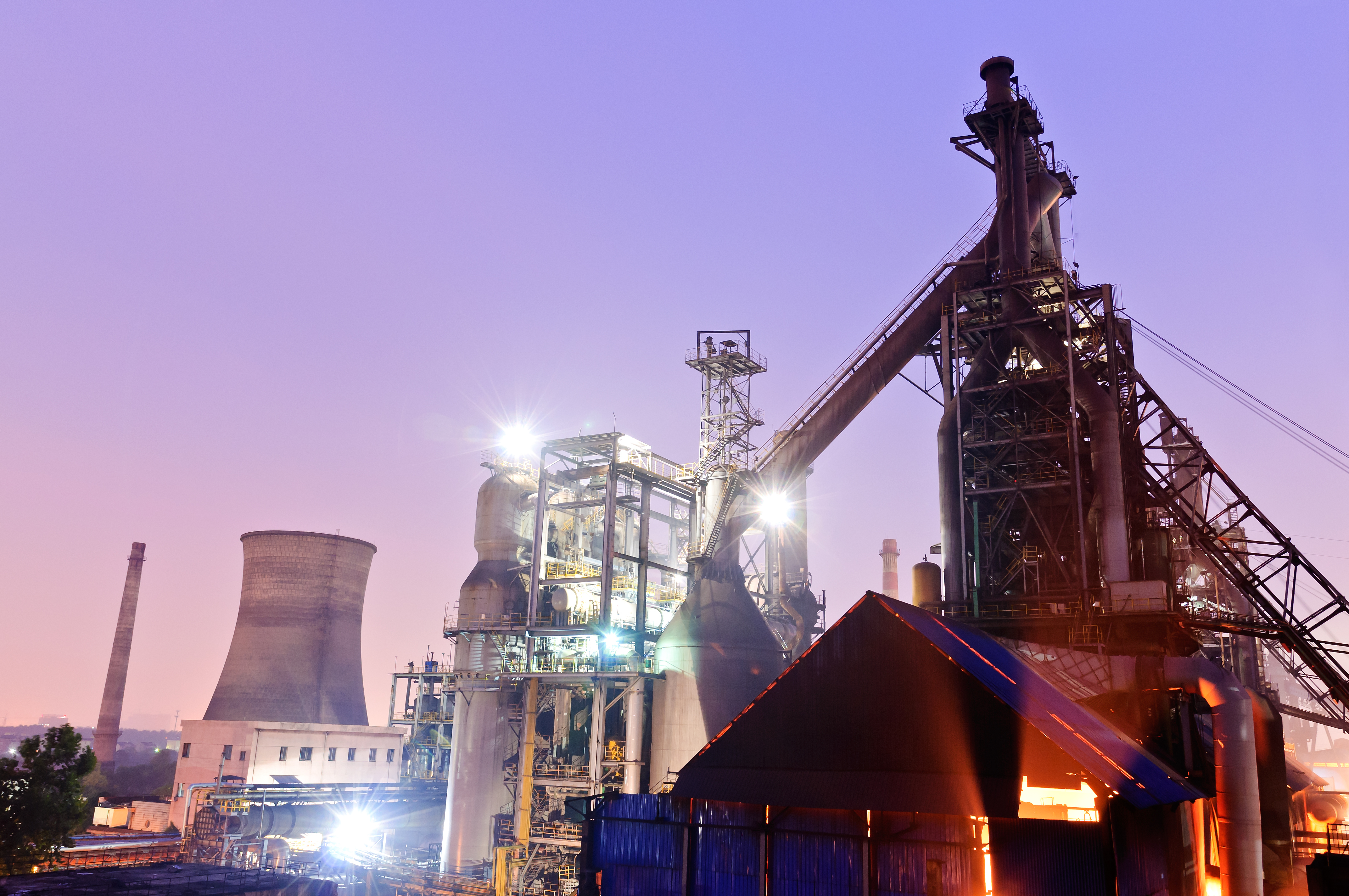
The current crisis in the Ruhr and the wider German manufacturing belt is not a cyclical downturn. It is a structural realignment. Since the mid-20th century, Germany’s power rested on three pillars: affordable energy imports, a massive export market in China, and a security umbrella provided by the United States. All three have collapsed simultaneously. The transition to a post-industrial economy is not happening by choice; it is happening by attrition.
When energy-intensive industries—chemicals, steel, and glass—shutter operations in Ludwigshafen or North Rhine-Westphalia, they do not move to other parts of the EU. They move to the United States or the Gulf. This is a net loss for European sovereignty. Without a massive industrial base to tax, the German state can no longer underwrite the massive subsidies required for the Green Deal or the expansion of European defence spending. Power in the international system is a function of surplus. Germany no longer has a surplus to spare.
The Incentives of Decline
We must look at who benefits from this stagnation. Washington views a weakened German industrial base with mixed emotions but clear strategic advantages. A Germany that cannot stand on its own two feet is a Germany that remains tethered to the Atlantic alliance. By contrast, Beijing sees the opening to dismantle the European automotive industry, the final jewel in the EU's crown. The incentive for German firms is now to save themselves at the expense of the state; they are globalising their supply chains even further, effectively decoupling their own success from the prosperity of the German worker.
The Historical Parallel: The Post-Suez United Kingdom
The current German predicament mirrors the United Kingdom in the late 1940s and 1950s. Like the UK after the Second World War, Germany is discovering that its previous model of global influence is financially unsustainable. The UK attempted to maintain a global role while its domestic industry hollowed out, leading eventually to the humiliation of the Suez Crisis and decades of managed decline. Berlin is currently at its Suez moment. It is realising that the rhetoric of 'strategic autonomy' requires a level of economic vitality that its current demographic and energy profile cannot support.
What Most People Miss
Most analysts focus on the 'Green Transition' as the primary culprit for German struggles. This is a distraction. The deeper, more corrosive issue is the demographic cliff. Germany is losing roughly 400,000 workers a year. No amount of automation or immigration has yet offset the loss of institutional knowledge and productivity in the Mittelstand—the small-to-medium enterprises that form the backbone of the economy. Furthermore, the German 'Schuldenbremse' (debt brake) is a self-imposed geopolitical straightjacket. By refusing to borrow to invest in infrastructure and digital transformation, Germany is choosing fiscal purity over continental leadership.
Strategic Consequences
The second-order effects of a deindustrialising Germany are profound for the European project. First, the 'Franco-German Engine' is now a fiction. Paris cannot lead a continent if its partner cannot pay the bills. Second, the centre of gravity in Europe is shifting East. Poland and the Baltics are becoming the new security core, but they lack the economic mass to lead the EU. This creates a vacuum.
Third, and most critically, Europe is losing its ability to set global standards. In the past, the 'Brussels Effect' worked because the EU was a market no one could afford to ignore. As German production fades, the EU becomes a museum of regulation rather than a laboratory of innovation. The world will follow US or Chinese standards because that is where the growth is located.
What to Watch
- Energy Arbitrage: Watch for German firms increasing capital expenditure in the US Gulf Coast. This is the clearest indicator of permanent domestic divestment.
- The Debt Brake Debate: Any constitutional move to relax Germany’s borrowing limits will be a signal that Berlin is attempting a last-ditch effort to save its industrial base.
- Pipeline Politics: Monitor any quiet rapprochement regarding energy infrastructure in the East; Berlin cannot survive indefinitely on expensive LNG.
- Automotive Consolidation: A major merger or collapse among the 'Big Three' German carmakers would signal the formal end of the era.
The KJ Verdict
Strategic autonomy is a luxury of the wealthy. Germany is no longer wealthy enough to buy Europe’s independence from the two superpowers. As the Ruhr exhausts itself, Berlin will inevitably retreat into a defensive, reactive posture. This leaves the European Union as a fragmented entity, forced to choose between being an American protectorate or a Chinese market. The dream of a sovereign European pole died not in a war, but in the balance sheets of the German manufacturing sector. Power follows the heat, and Germany is cooling down.