Upcoming Ukraine peace summit
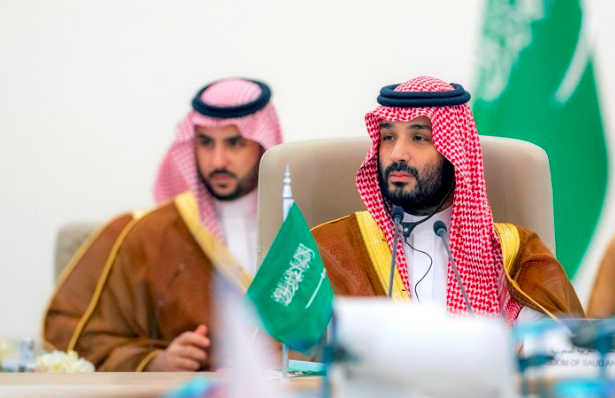
Saudi Arabia has launched a weekend summit, gathering senior officials from about 40 countries, excluding Russia, with the aim of formulating essential principles to put an end to Russia’s invasion of Ukraine.
Ukrainian President Volodymyr Zelenskyy expressed his welcome on Friday to the diverse group of nations participating in the discussions, which commenced on Saturday. This inclusive assembly includes nations grappling with the economic ramifications of elevated food prices sparked by the conflict.
Ukrainian authorities consider the summit’s location as advantageous, as it counters Russia’s narrative that only Western countries support Ukraine. They anticipate representation from approximately 40 nations, among them the United States and India.
In the lead-up to the summit, Ukrainian representatives made their intentions clear. They stated, “Our objective in Saudi Arabia is to establish a unified perspective on the approach and to explore the potential for hosting the future Global Peace Summit,” alluding to Ukraine’s peace initiative.
Spanning two days, this meeting forms part of Ukraine’s diplomatic strategy to cultivate backing beyond its primary Western allies by engaging countries from the Global South, which have been hesitant to take sides in a conflict that has reverberated through the worldwide economy.
Russia’s exclusion
The forum’s exclusion of Russia, which has rejected Ukraine’s proposed peace plan, has not gone unnoticed, with the Kremlin expressing its intention to monitor the proceedings closely.
Earlier this week, Dmitry Peskov, the Kremlin spokesperson, highlighted that Russia would seek clarity on the objectives and topics under discussion. Peskov remarked, “Any endeavor aimed at promoting a peaceful resolution deserves favorable consideration.”
While Russia’s absence from the forum isn’t directly related, it’s important to acknowledge that Russia’s relationship with Saudi Arabia has encountered challenges in recent months. These challenges could potentially impede the Kingdom’s aspirations to mediate in the Ukraine-Russia conflict.
A notable development is Russia’s projected overtaking of Saudi Arabia as the largest oil-producing nation within the OPEC+ alliance. This shift arises from Saudi Arabia’s ongoing reduction in crude output, a measure it has taken to stabilize prices and fund domestic initiatives. This move contrasts with Russia’s actions of flooding the market with oil, selling at discounts, and entering traditional Saudi markets in Asia.
Despite this backdrop, Abdulaziz bin Salman, Saudi Arabia’s energy minister, underscored that the decision to extend oil production cuts, including Russia, was partly aimed at dispelling reports of a purported discord between Moscow and Riyadh. This illustrates the complexities in the partnership as it navigates economic and geopolitical dynamics.
Will the meeting bring results?
Observers consider the summit a pivotal opportunity for Ukraine to engage with previously neutral nations like India and Brazil, aiming to broaden support for their cause. Notably, China’s participation in the summit adds significance. However, the absence of Russia, a key player, raises doubts about the feasibility of constructing a practical peace plan.
While Ukrainian President Zelenskyy previously endeavored to sway Arab League nations toward Ukraine’s peace proposal during a summit, this effort yielded limited success. Russia’s enduring strong relations with the Arab world, India, and China cast doubts on the acceptance of a one-sided peace plan without Russian involvement.
Yet, the summit holds potential for initiating dialogue on aspects that these nations could exert pressure on Russia to consider. This prospect aligns with the mutual interest in achieving peace, a goal shared by all parties involved. Though crafting a comprehensive peace plan sans Russia seems challenging, the summit could pave the way for focused negotiations and strategic evaluation by all stakeholders, fostering progress toward a harmonious resolution.
Wang Wenbin, a spokesperson at the Chinese ministry, said in a statement that: “China is willing to work with the international community to continue to play a constructive role in promoting a political solution to the crisis in Ukraine.”
Significantly, without China’s economic support, Russia’s economy and its ability to wage war in Ukraine could crumble. To a lesser extent some of the global south nations who may be around the table in Jeddah also help prop up Putin’s war by buying gas, oil and other commodities he can no longer sell in Europe.
The talks are thus not futile as they could shift global pressure, but immediate results are very unlikely.