The UAE and Israel clash
The UAE will not get involved in Israeli electioneering, an Emirati official said Wednesday, in pointed comments amid new reports Prime Minister Benjamin Netanyahu is planning to visit ahead of elections next week.
Netanyahu, in power since 2009, has sought to burnish his credentials as Israel’s leading statesman as part of his re-election pitch ahead of March 23 polls.
A UAE visit could have aided that effort.
“From the UAE’s perspective, the purpose of the Abrahamic Accords is to provide a robust strategic foundation to foster peace and prosperity with the State of Israel and in the wider region,” tweeted Anwar Gargash, adviser to UAE President Sheikh Khalifa bin Zayed.
“The UAE will not be a part in any internal electioneering in Israel, now or ever,” he said, without elaborating.
The comments from Gargash, who until recently was the face of UAE diplomacy as its minister of state for foreign affairs, were unusually candid for an Emirati official.
They came after Netanyahu last week cancelled what would have been a historic visit to the UAE, citing a disagreement with Jordan over the premier crossing its airspace.
There was new speculation Wednesday that Netanyahu could be scheduling a visit again, but there was no official comment from either side.
Furthermore, the United Arab Emirates has reportedly suspended plans for a summit that was due to include Prime Minister Benjamin Netanyahu, senior US officials and the heads of states who have normalized relations with Israel, amid a diplomatic tiff over the Israeli premier’s attempted use of Abu Dhabi as a stop on the campaign trail.
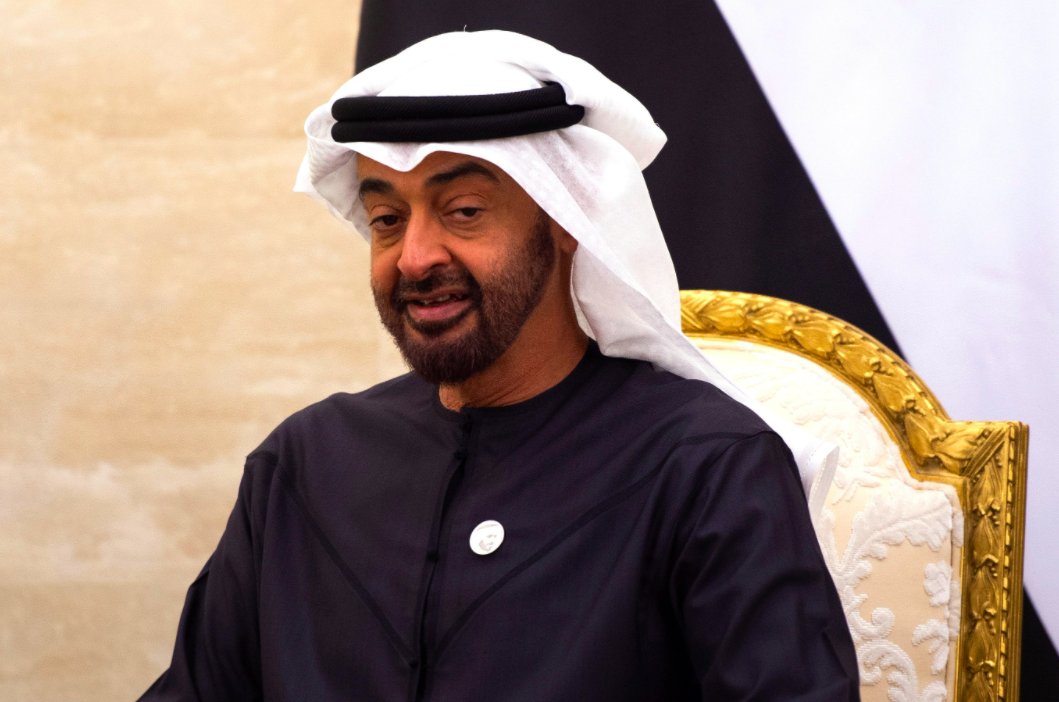
According to the Thursday report by the Yedioth Ahronoth daily, the summit was set to take place in Abu Dhabi in April but has now been shelved after Crown Prince Sheikh Mohammed bin Zayed was angered by Netanyahu’s endeavor to use the Gulf nation for electioneering.
The diplomatic dust-up appears to be the first public spat since relations were forged last year between Abu Dhabi and Jerusalem.
The UAE was reportedly reluctant to agree to host him last week, because of concerns that this would be perceived as election interference, and Netanyahu was said to have deployed Mossad intelligence agency chief Yossi Cohen to persuade them.
UAE planning investments in Israel
Nevertheless, it is unlikely that the recent spat will majorly affect the positive trajectory of UAE-Israel relations.
The United Arab Emirates has announced the establishment of a $10 billion (Dh36 billion) fund aimed at strategic sectors in Israel.
Through this fund, the UAE will invest in and alongside Israel across sectors including energy, manufacturing, water, space, healthcare and agri-tech. The investment fund will support development initiatives to promote regional economic cooperation between the two countries. Fund allocations will derive from government and private sector institutions.
The fund builds on the historic Abraham Accord and aims to bolster economic ties between two of the region’s thriving economies, unlocking investments and partnership opportunities to drive socio-economic progress.
This initiative is an integral part of the historic peace accord signed by the UAE and Israel with the United States’ support, and demonstrates the benefits of peace by improving the lives of the region’s peoples. It is a manifestation of the new spirit of friendship and cooperation between the three countries, as well their common will to advance the region, and their common economic interests.
In addition to this, Emirati Crown Prince M. bin Zayed Al Nahyan has “volunteered” to invest over $12 million in Israel, Israel’s Prime Minister Benjamin Netanyahu said on Monday.
In an interview with the Israeli army radio, Netanyahu said Abu Dhabi’s crown prince told him that he “wants to be a partner in projects which could enhance Israel’s economy after the coronavirus [pandemic].”
So far, there has been no comment from the United Arab Emirates (UAE) on Netanyahu’s statement.
The importance of the UAE-Israel alliance
The UAE-Israel growing geopolitical alliance, is too important for both sides, for the recent spat to damage these ties.
Israel’s president earlier this month formally received the first-ever ambassador from the UAE to the Jewish state, following last year’s historic peace accord between the countries.
After greeting Khaja in Arabic, Rivlin said: “The entire Israeli people welcomes you with joy. This will be your most important mission — to welcome the hands reaching out to you… treaties are signed by leaders, but real, sustained peace is made between peoples, face to face.”
Khaja said he would “work tirelessly to strengthen the political ties between our two countries, in the service of our peoples and regional stability”.
The UAE was the first country to agree to establish full diplomatic relations with the Jewish state under the Abraham Accords, a pact brokered by former US president Donald Trump.
Earlier that day, Khaja met Foreign Minister Gabi Ashkenazi in Jerusalem, who wished him success in his “historic mission”.
Khaja told Ashkenazi he was “very proud and honoured to be the first Emirati ambassador to the State of Israel”.
Israel opened its UAE embassy in January, with veteran diplomat Eitan Naeh heading the Abu Dhabi mission.
Furthermore, Prime Minister Benjamin Netanyahu on Tuesday held his first meeting with the new Emirati ambassador to Israel, Mohammad Mahmoud Al Khajah, following the normalization agreement between the Jewish state and United Arab Emirates.
“We are changing the Middle East, we are changing the world,” Netanyahu told Al Khajah, according to a statement from his office.