KJ ReportsKJ Reports

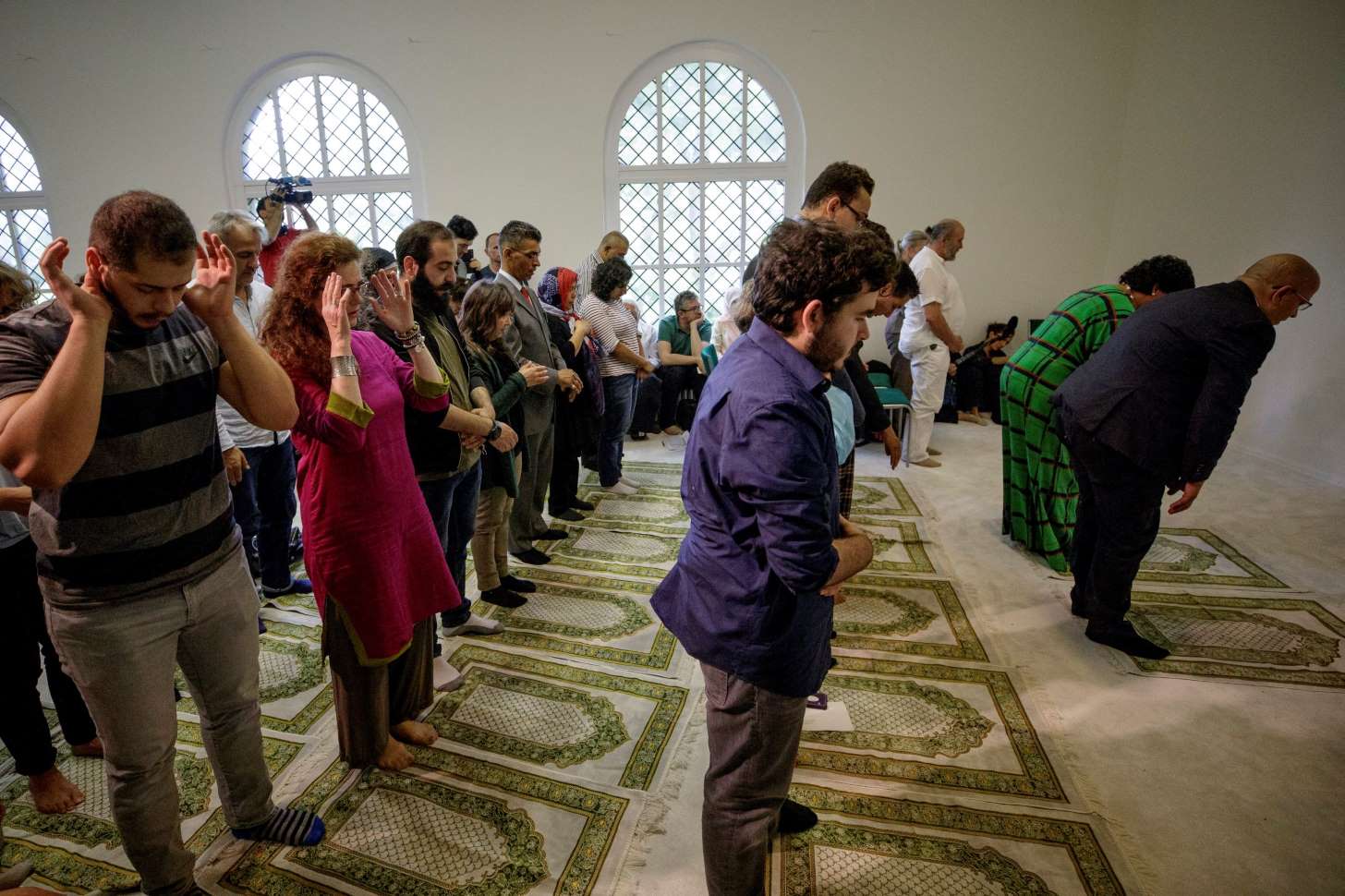
A ‘feminist’ Mosque opens in Germany and is criticised with the hashtag #MosquewithoutIslam

18 June 2017854

Listen to this article

KJ narrates this report in his own voice

A ‘feminist’ Mosque opens in Germany and is criticised with the hashtag #MosquewithoutIslam

Read original article on MSN or read a quick summary below;

  1. A self-proclaimed Muslim feminist called Seyran Ates has opened a Mosque in Germany
  2. A 54-year-old Turkish Kurd, she is both well known and polarizing in Germany’s Muslim community of more than 4 million.
  3. “The intention is to give liberal Islam a sacred space,” Ates said. “I feel very discriminated by regular mosques where women have to pray in ugly backrooms.”
  4. In London a female-founded Inclusive Mosque Initiative opened its doors in 2012. Female imams routinely lead prayers in spaces that welcome male and female Muslims of any sect — gays and lesbians included. More recently, mixed-gender or all-female prayers have spread to boutique mosques from California to Switzerland to Denmark.
  5. The debut of her mosque brought a round of fire on social media from critics. “#Mosque without #Islam. Those who know Ates know that she is in favor of an Islam that is not based on its sources,” tweeted the advocacy group Generation Islam.

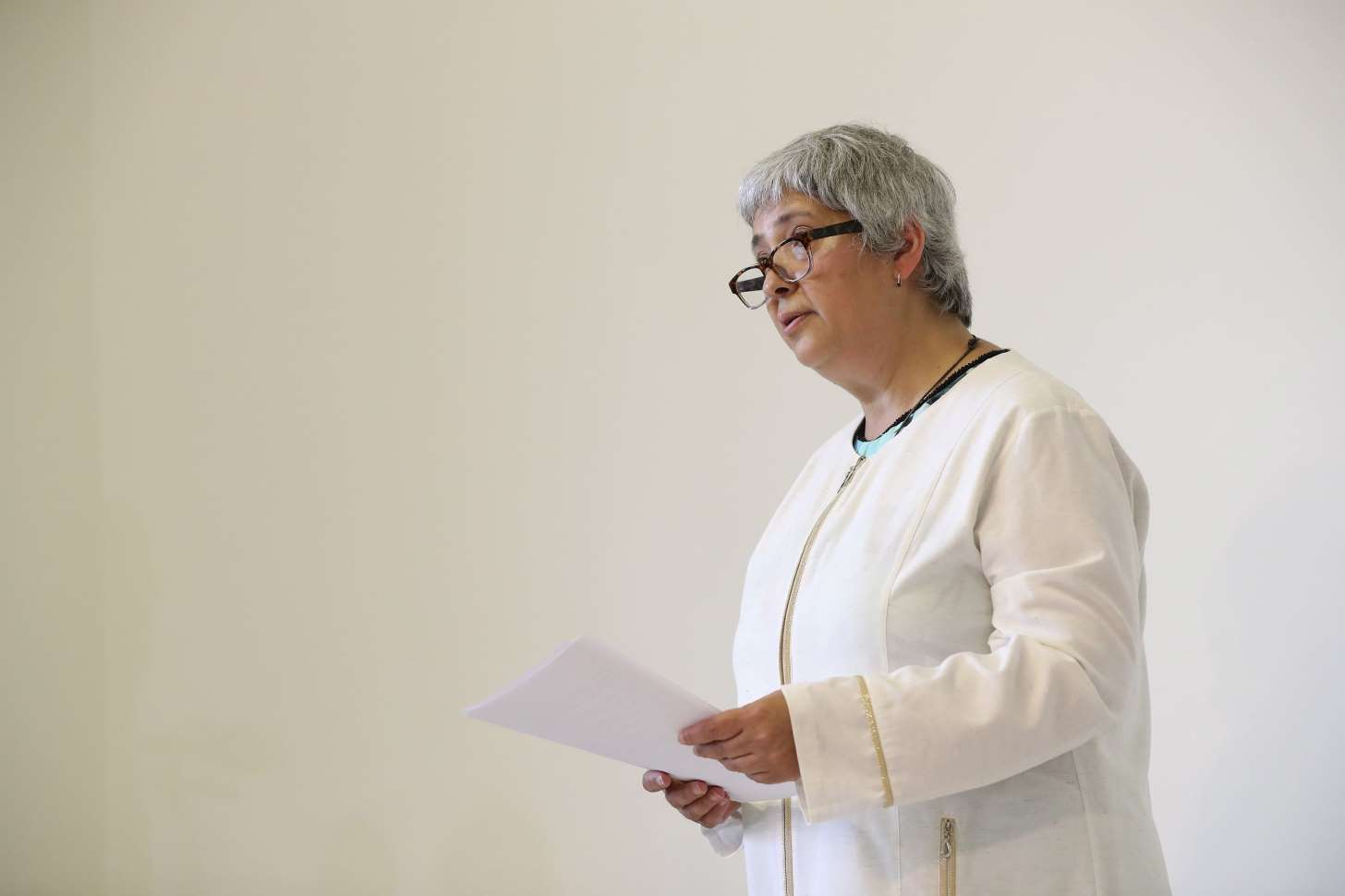
© Sean Gallup/Getty Images Seyran Ates introduces the first Friday prayers, on June 16, 2017, at Berlin’s Ibn Rushd-Goethe Mosque, which she helped to establish.

#feminism#german-female-mosque#seyran-ates

Related Intelligence

More articles
The Warsaw Ascendance: Poland and the End of the Franco-German Axis
Russia

The Warsaw Ascendance: Poland and the End of the Franco-German Axis

Poland’s massive rearmament and shift to an Atlanticist security model is breaking the EU’s traditional power balance. Warsaw is no longer a junior partner, but the new strategic centre of gravity in Europe.

7 Oct 2026

The Rhine Subsidence: Europe’s New Security Centre of Gravity
Russia

The Rhine Subsidence: Europe’s New Security Centre of Gravity

As German industrial output collapses under the weight of permanent energy scarcity, the traditional core of European power is fracturing. The resulting vacuum is forcing a structural shift in how the continent defends itself against the East.

5 Oct 2026

The Sevastopol Paradox: Russia’s Terminal Escalation Logic
Russia

The Sevastopol Paradox: Russia’s Terminal Escalation Logic

As Ukraine’s long-range capabilities render Crimea’s naval infrastructure untenable, Moscow faces a structural trap. The loss of Sevastopol does not invite peace; it necessitates a widening of the geographic conflict to preserve internal regime stability.

24 Sept 2026

The Ural Exhaustion: Why Russia’s Industrial Overheat Forces a Pivot
Russia

The Ural Exhaustion: Why Russia’s Industrial Overheat Forces a Pivot

Russia’s war economy has reached a structural ceiling. With labour shortages and machine depreciation peaking, the Kremlin is shifting from territorial conquest to a long-term strategy of industrial preservation and frozen attrition.

23 Sept 2026

The Pyongyang Expedition: Russia’s Strategic Pivot to Subservience
Russia

The Pyongyang Expedition: Russia’s Strategic Pivot to Subservience

The arrival of North Korean combat divisions on the European front has fundamentally altered the Eurasian power balance. Moscow’s tactical reliance on Pyongyang’s manpower has created a permanent structural dependence that subordinates Russian defence policy to East Asian objectives.

16 Sept 2026

The Pyongyang-Orel Axis: Russia’s Permanent War Footing
Russia

The Pyongyang-Orel Axis: Russia’s Permanent War Footing

The integration of North Korean personnel into the Russian military signals a structural shift in Moscow’s long-term strategy. This partnership resolves Russia’s demographic deficit, enabling a sustained war of attrition while bypassing politically sensitive domestic mobilisation.

14 Sept 2026