
KJ ReportsKJ Reports

UK not breaking law by selling arms to Saudi Arabia

10 July 2017845

Listen to this article

KJ narrates this report in his own voice

UK not breaking law by selling arms to Saudi Arabia

Read the original article by BBC NEWS or read some of the key points below;

  1. The UK Government is not breaking the law by continuing to sign off the sale of arms to Saudi Arabia, the High Court has ruled.
  2. The UN claims strikes on Houthi rebels caused thousands of civilian deaths.
  3. The Government said defence exports would continue to be reviewed but the Campaign Against the Arms Trade said an appeal against the ruling was planned.
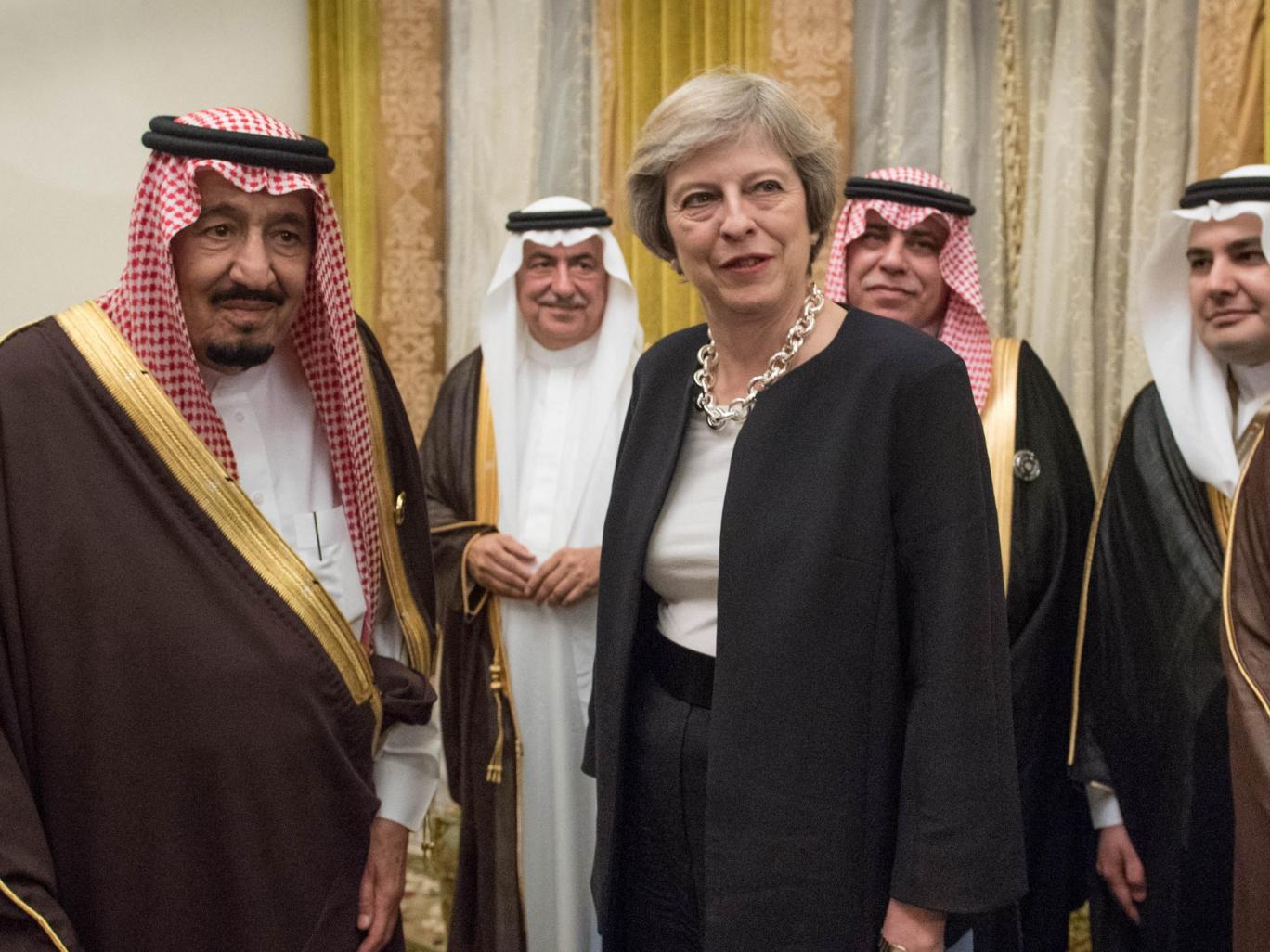
  4. Equipment sold to Saudi Arabia includes Typhoon and Tornado fighter jets, as well as precision-guided bombs
  5. The sales contribute to thousands of engineering jobs in the UK, and have provided billions of pounds of revenue for the British arms trade.
  6. Rosa Curling, of law firm Leigh Day, which represented the campaign group, said: “Nothing in the open evidence, presented by the UK government to the court, suggests this risk does not exist in relation to arms to Saudi Arabia.
  7. James Lynch, Amnesty International’s head of arms control and human rights, said the ruling was “deeply disappointing”.
  8. The judges said “closed material”, which had not been made public for national security reasons, “provides valuable additional support for the conclusion that the decisions taken by the secretary of state not to suspend or cancel arms sales to Saudi Arabia were rational”.

https://www.youtube.com/watch?v=DdCM38mnsxI

#arms#arms-deal#bombs#eurofighter#jets#king-salman#saudi-arabia#theresa-may#trade#typhoon-jets#uk#weapons#yemen-2015

Related Intelligence

More articles
The Iranian Chokepoint: Why $200 Oil is Tehran’s Strategic Veto
Middle East

The Iranian Chokepoint: Why $200 Oil is Tehran’s Strategic Veto

As regional tensions escalate, Iran’s ability to throttle the Strait of Hormuz has transformed from a military threat into a sophisticated macroeconomic weapon designed to neutralise Western sanctions and leverage global energy markets.

16 Jun 2026

The Atlantic Fracture: Madrid’s Defiance and the End of Iran Consensus
Middle East

The Atlantic Fracture: Madrid’s Defiance and the End of Iran Consensus

Spain’s strategic pivot away from the American-led containment of Tehran signals a profound breakdown in Western unity. As Madrid prioritises Mediterranean stability over Atlanticist aggression, the global mechanics of Iranian isolation are crumbling.

14 Jun 2026

The Shattered Shield: Why the Middle East Containment Era Is Over
Middle East

The Shattered Shield: Why the Middle East Containment Era Is Over

As direct hostilities between Iran and Israel bypass traditional Western red lines, the decades-long American strategy of regional containment has collapsed, leaving a vacuum where total war is now a structural probability.

14 Jun 2026

The Price of Restoration: Why Modern Warfare Prefers Stasis
Middle East

The Price of Restoration: Why Modern Warfare Prefers Stasis

While the Iran-US conflict cycles through fragile ceasefires and violent escalations, a deeper economic logic is emerging. Total victory is being sidelined by the lucrative prospects of managed reconstruction and regional integration.

13 Jun 2026

The Deadlock of Calm: Why Washington and Tehran Cannot Close the Deal
Middle East

The Deadlock of Calm: Why Washington and Tehran Cannot Close the Deal

A fragile ceasefire has frozen the Middle East, yet structural domestic survival and regional leverage prevent both the United States and Iran from moving beyond a tactical pause into a permanent settlement.

8 Jun 2026

The Ethiopia-Somaliland Axis: Redefining the Horn’s Power Map
Middle East

The Ethiopia-Somaliland Axis: Redefining the Horn’s Power Map

Ethiopia’s push for sea access via Somaliland is more than a trade deal. It is a structural shift forcing a realignment between Nile basin interests and Red Sea security architectures.

1 Jun 2026