1. Russia’s s400 transfer to Turkey has begun
While the first deliveries of the S-400 to Turkey started more than 10 days ago, the defence ministries of both Turkey and Russia continue to publicly report on the details of every arrival sent from Russia. On July 19, the Turkish Defense Ministry said one more Il-76MD cargo aircraft carrying parts of the missile system arrived at the Murted air base near Ankara and pointed out that the supplies were being received “as scheduled.” Ironically, while Turkey does not seem concerned about America’s reaction to this, Russian media outlets are continuously pondering the risks that this deal may bring to Moscow in terms of American discontent, as well as certain Russian politicians reportedly having doubts over the deal. Another reason for Russia’s scepticism is Erdogan’s uncertain future as popularity for opposition grows. However, transfer of the system is expected to continue unless further developments arise.
2. US threatens to remove Turkey from the F35 program
The response from the US has been negative as expected, as the US said last week it was removing NATO ally Turkey from the F-35 programme, as long threatened, after Ankara purchased and received Russian S-400 missile defence systems that Washington sees as a threat. Furthermore, they have threatened to impose sanctions on Turkey if the transfer continues. It remains to be seen whether the US will go through with these threats, as Turkey is expected to continue installing the Russian system.
3. Erdogan playing tough
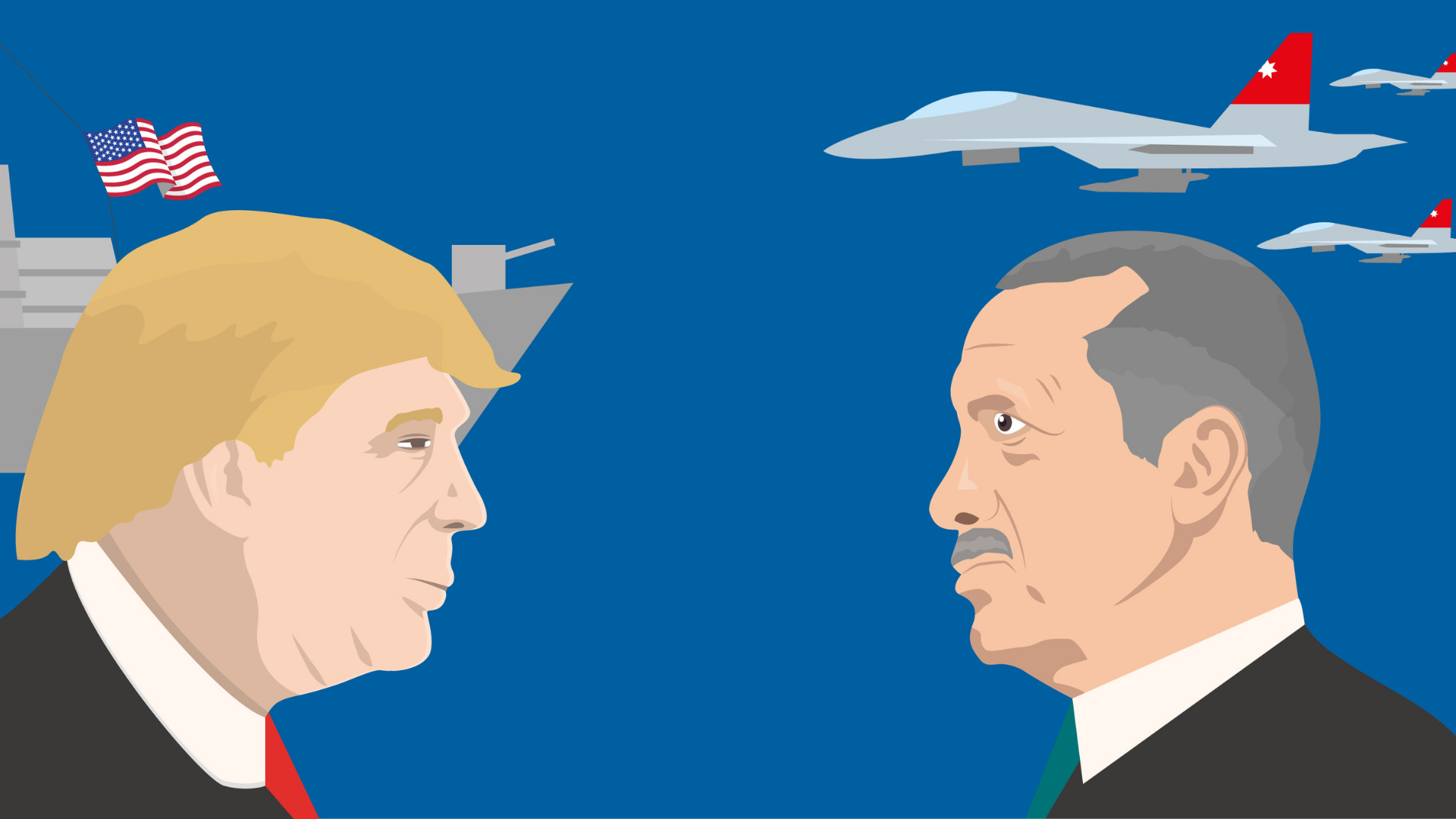
Despite the US’s threats, Turkish President Recep Tayyip Erdogan has maintained his stance and dismissed the intimidation from Washington. Erdogan stated that said that Turkey will turn elsewhere for fighter jets if the United States does not sell it the F-35 aircraft, adding that Ankara planned to start using the Russian S-400 missile defence system in April 2020. Erdogan said: “Are you not giving us the F-35s? OK, then excuse us but we will once again have to take measures on that matter as well and we will turn elsewhere.” This is a bold move by Erdogan, but also one that puts Washington in a tough position, as should they stop the sale of F35s to Turkey, they will probably enhance the issue they are ‘punishing’ them for, which is buying weaponry from Russia.
4. Clash over Syria
In addition to this, Turkey has said it has ran out of patience with Washington over the safe zone talks and adding that it would launch its operation if an agreement was not reached. Furthermore, Turkey’s foreign minister on July 24 said a new U.S. proposal concerning the creation of a possible “safe zone” in northern Syria is not “satisfactory” and suggested that Turkey will launch a new offensive in Syria if an agreement is not reached soon. Turkey’s response in Syria could be a sign that Turkey was frustrated with the US’s reaction to the Russia deal after all.
5. Trump reluctant to impose sanctions
Despite the strong words from several US representatives, US President Donald Trump has reportedly asked Republican senators to take a softer approach to Turkey over its decision to purchase the Russian S-400 missile defence system, saying that he would like time to talk Turkish President Recep Tayyip Erdogan out of the deal himself. “I think he would like more flexibility,” Senator John Cornyn was quoted as saying. Trump reportedly believes that his relationship with Erdogan could be the catalyst to changing the Turkish president’s decision, but it appears unlikely that this should succeed, largely due to the effort put into formulating the deal between Turkey and Russia.