KJ ReportsKJ Reports

The Srebrenica Massacre in 1995

12 July 2018931

Listen to this article

KJ narrates this report in his own voice

The Srebrenica Massacre in 1995

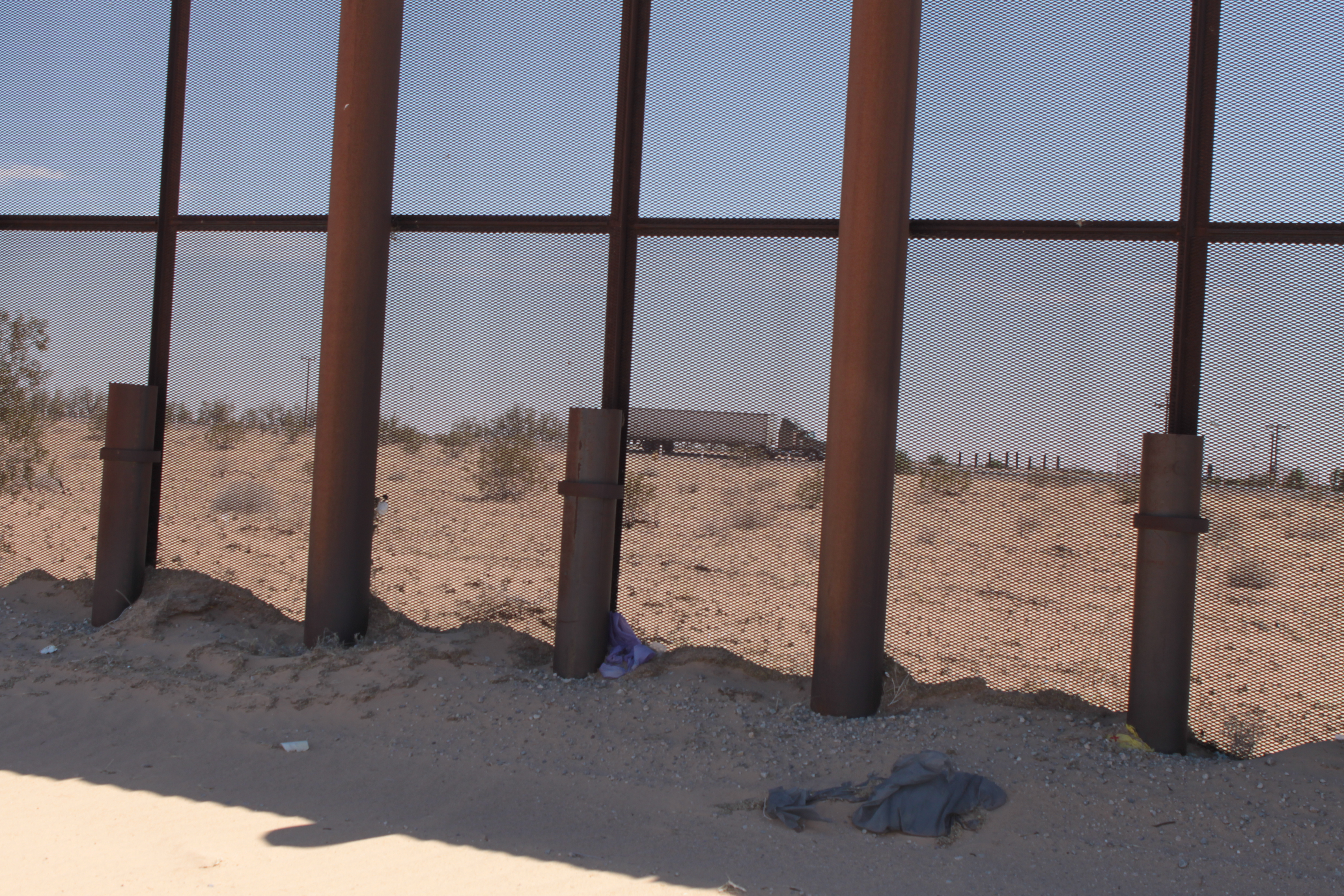
The Srebrenica massacre in 1995 was the worst atrocity committed on European soil since World War II.

Almost 8,000 Muslim men and boys were slaughtered after eastern Bosnia was overrun by Bosnian Serb forces.

It was one of the darkest episodes of Bosnia’s bloody three-year civil war which claimed some 100,000 lives.

And left 2.2 million others homeless during the break-up of the former Yugoslavia in 1991.

Declared a “safe area” by the UN in April 1993, the mainly-Muslim town of Srebrenica was surrounded by Bosnian Serb army forces in a slow stranglehold for the next two years.

On the morning of 11 July, 1995, the Bosnian Serbs’ army finally overran Srebrenica.

This caused tens of thousands of refugees to flee to the UN peacekeeping force’s compound at Potocari.

The refugees inside the base were eventually expelled into the hands of waiting Bosnian Serb troops.

The troops started forcibly busing people out, separating the men and boys from the women.

In the following days almost 8,000 Muslim men and boys were systematically butchered.

All this happend under the command of Ratko Mladic. The bodies were dumped in mass graves.

Some 6,600 of the massacre victims have been exhumed, identified and reburied.

Don’t forget to subscribe to our YouTube Channel

Support our content by donating to fundmypage.com/kjvids

Website – www.kjvids.co.uk
Facebook – www.facebook.com/KJVids
Twitter – www.twitter.com/kjvids2016
Instagram – www.instagram.com/kjvidsofficial

All Rights Reserved. Contact info@kjvids.co.uk if you are interested in licensing our content, advertising or working with us in other ways.

#srebrenica-massacre

Related Intelligence

More articles
The Uralic Lever: Russia’s Strategic Pivot to New Delhi
Russia

The Uralic Lever: Russia’s Strategic Pivot to New Delhi

Moscow is trading short-term energy profits for a permanent strategic alliance with India. This shift signals the end of Russian dependency on European markets and the birth of a new Eurasian power axis.

17 Jun 2026

The Ghost of Radcliffe: Why 1947 Still Governs 21st-Century Asia
History

The Ghost of Radcliffe: Why 1947 Still Governs 21st-Century Asia

Geographic partitions are not historical events; they are active geopolitical engines. In South Asia, a hasty retirement from Empire created a structural instability that ensures permanent mobilisation and restricts the rise of two nuclear powers.

15 Mar 2026

Pax Mongolica: The Hard-Power Blueprint for Global Integration
History

Pax Mongolica: The Hard-Power Blueprint for Global Integration

Modern globalisation is often framed as a Western invention. In reality, the 13th-century Mongol Empire established the first template for a borderless economy, proving that global trade requires a single, ruthless security guarantor to function.

15 Jan 2026

The Dollar Pact: Why Bretton Woods Never Actually Ended
History

The Dollar Pact: Why Bretton Woods Never Actually Ended

The 1944 Bretton Woods agreement is often treated as a historical relic. In reality, its core architecture remains the primary engine of American hegemony, weaponising global trade through a system of structural dependency that has no peer.

15 Oct 2025

Mare Clausum: Why the Black Sea is No Longer a Russian Lake
Russia

Mare Clausum: Why the Black Sea is No Longer a Russian Lake

As traditional naval power yields to asymmetric attrition, the Black Sea has become a laboratory for post-modern warfare. Kyiv’s victory in the naval war, achieved without a fleet, is rewriting the rules of global maritime security.

15 Sept 2025

The New Feudalism: Why the Westphalian Order is Withering
History

The New Feudalism: Why the Westphalian Order is Withering

The nation-state is not dying, but it is losing its monopoly on power. As digital territories and corporate spheres of influence supersede physical borders, we are witnessing the gradual return of pre-Westphalian overlapping jurisdictions.

15 Jun 2025