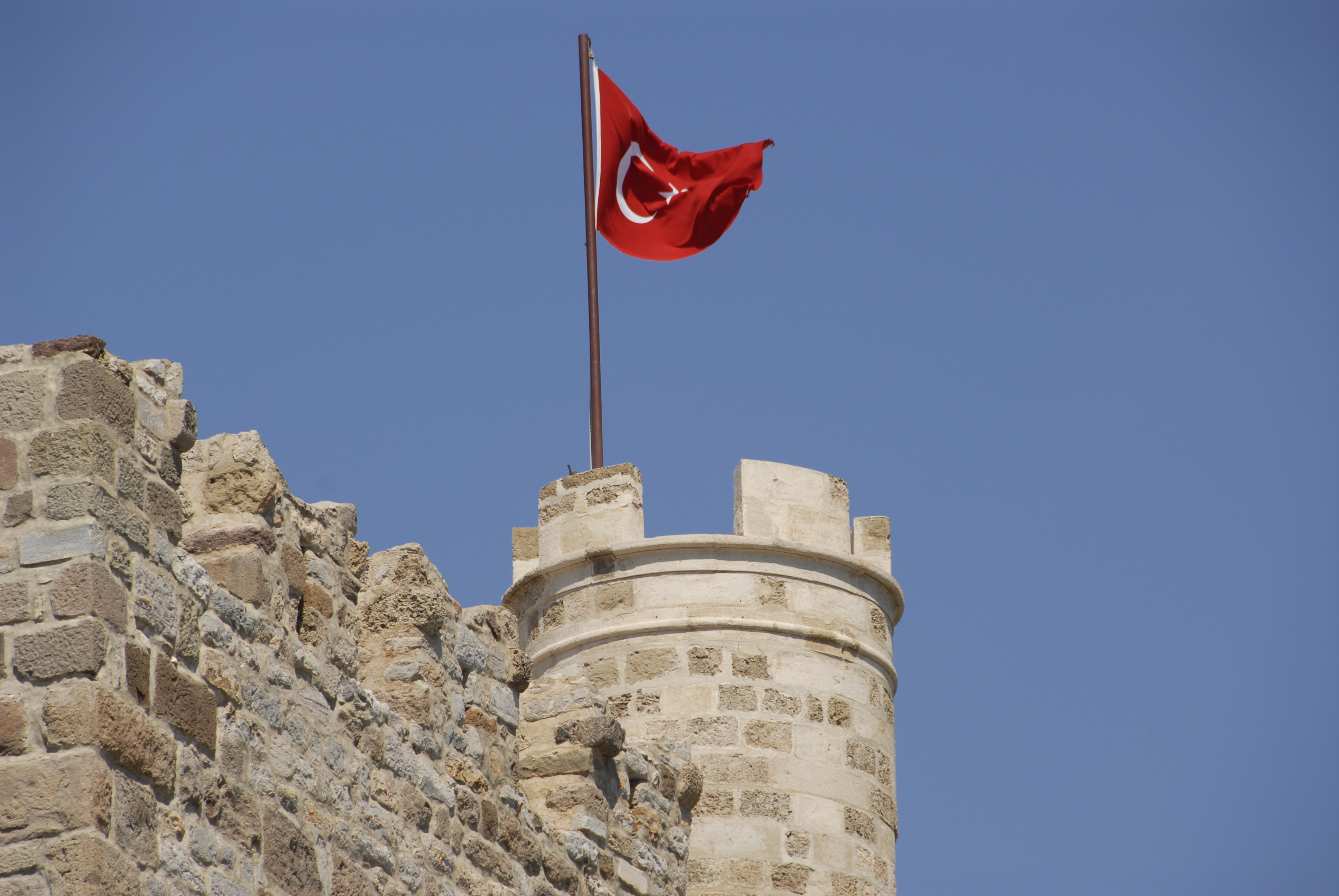
The North Atlantic Treaty Organisation exists today as a defensive alliance in name only. Beneath the rhetoric of collective security, the structural reality has shifted. NATO has become a transactional clearinghouse where membership is a lever for regional ambitions rather than a commitment to a common shield. At the heart of this transformation is Turkey.
Ankara has successfully decoupled its security interests from the Euro-Atlantic consensus. By leveraging its geography and military weight, Turkey has forced the alliance to accept a new paradigm: NATO membership is no longer about shared values or even shared enemies, but about the price of consent. This is the Ankara Schism, and it defines the next decade of global power dynamics.
The Incentive of Geography
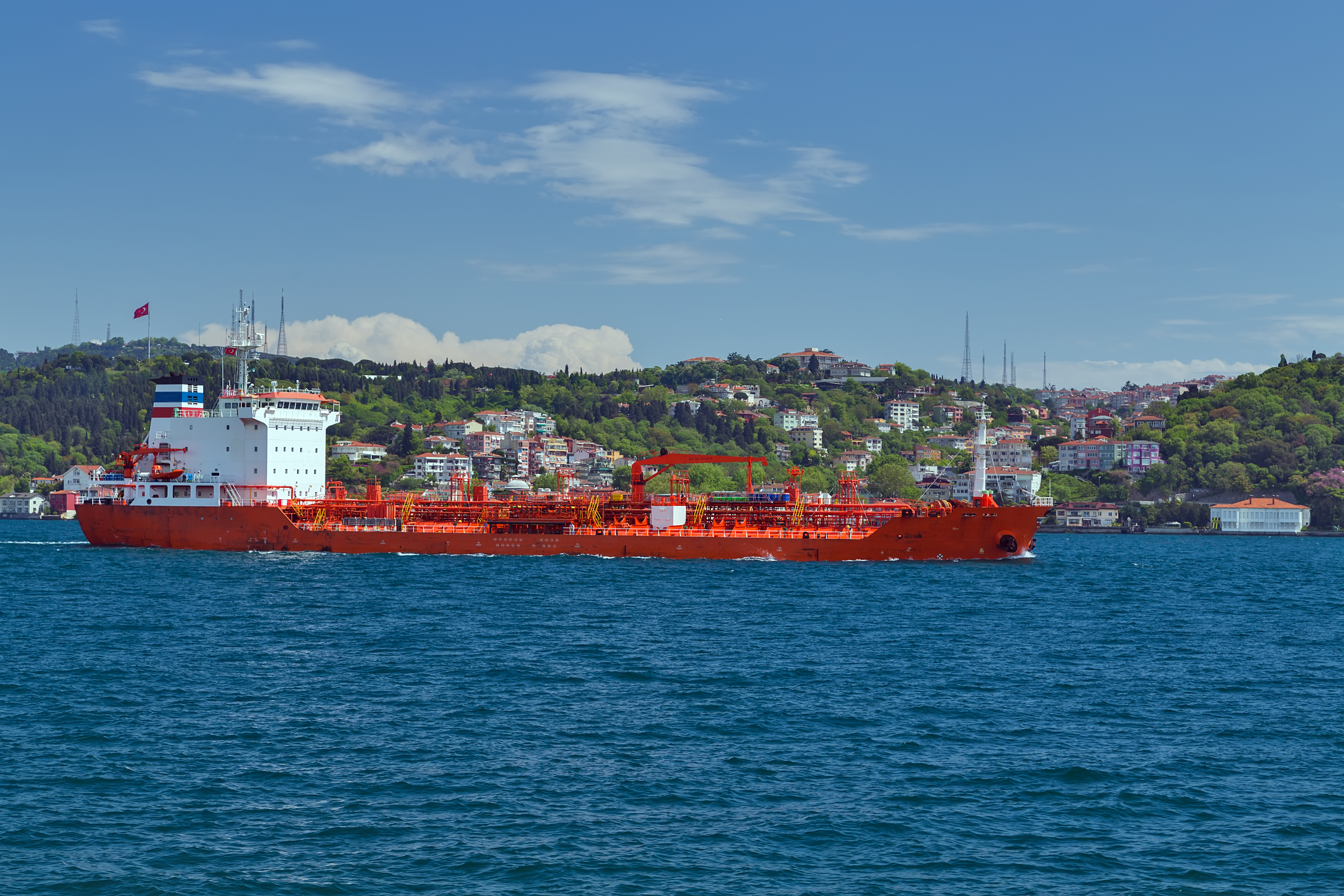
To understand Turkey’s trajectory, one must look at the map. Turkey remains the only NATO member that faces the Middle East, the Caucasus, and the Black Sea simultaneously. For Brussels and Washington, Turkey is a gatekeeper; for Ankara, this gatekeeper status is a commodity to be traded. The incentive for President Erdogan and his successors is not to be a 'loyal ally' in the Cold War sense, but to maximise the strategic rent extracted from this position.
Turkey benefits from NATO’s Article 5 protection while pursuing a foreign policy that often contradicts the interests of other members. It maintains complex, functional relationships with Moscow and Tehran, hosts millions of refugees as a pressure point against Europe, and develops an independent defence industry designed to end reliance on Western supply chains. The goal is strategic autonomy. NATO is simply the most effective platform to safeguard that autonomy from being crushed by larger powers.
A Historical Parallel: The Venetian Model
The closest historical parallel is not found in the 20th century, but in the Republic of Venice during the late Middle Ages. Venice was nominally part of the Christian world and a frequent participant in crusades and leagues against the Ottoman Empire. However, Venice never allowed ideological or religious solidarity to supersede its commercial and territorial interests. It would frequently sign separate peace deals, trade with the enemy, or withhold its fleet if the price was not right.
Like Venice, modern Turkey views its alliances as fluid. It recognises that in a multipolar world, rigid loyalty is a liability. By remaining 'in' but not 'of' the Western security architecture, Ankara ensures it is never a casualty of a conflict it does not choose. It uses NATO as a legal and diplomatic shield behind which it builds a Neo-Ottoman sphere of influence.
What Most People Miss: The Defence Industry Pivot
Most analysts focus on Turkey’s rhetoric or its diplomatic vetoes. What they miss is the second-order effect of its domestic defence industry. Turkey is no longer just a buyer of Western hardware; it is a sophisticated exporter of low-cost, combat-proven technology, such as the Bayraktar drones and MILGEM warships. This shift is critical because it removes the 'supplier's veto' that the United States and Germany once held over Turkish policy.
When Turkey can manufacture its own precision munitions and electronic warfare suites, the threat of an arms embargo loses its sting. This industrial independence allows Ankara to be more assertive within NATO. It doesn't fear exclusion because it knows the alliance cannot afford to lose the Incirlik Air Base or control of the Bosphorus, while Turkey increasingly does not need the alliance to keep its engines running.
The Transformation of NATO
The result is a NATO that functions as a marketplace. When Finland and Sweden sought entry, Turkey didn't object on security grounds; it negotiated for the extradition of political opponents and the lifting of arms restrictions. This 'transactionalism' is contagious. Other mid-sized powers within the alliance, seeing Turkey’s success, are beginning to adopt similar postures, prioritising bilateral deals over multilateral commitments.
The risk is not that NATO will collapse, but that it will hollow out. It remains useful as a forum for standardising equipment and coordinating logistics, but as a political entity, it is becoming fragmented. Decisions are no longer made through consensus on what is 'right' for the West, but through a series of side-deals that satisfy the most disruptive members.
What to Watch
- The Montreux Convention: Any Turkish move to further restrict or allow naval access to the Black Sea based on bilateral deals with Russia rather than NATO policy.
- Energy Hub Status: The expansion of gas pipelines from Azerbaijan and potentially Iran through Turkey, making Southern Europe energy-dependent on Ankara.
- Indigenous Fighter Programs: The success or failure of the KAAN fighter jet, which would signal Turkey’s total exit from the American aerospace orbit.
- The Greece Flashpoint: How NATO manages internal conflict in the Eastern Mediterranean, which tests the limits of Article 5.
The KJ Verdict
NATO is entering an era of 'A la Carte' security. The Ankara Schism has proved that a member can defy the collective will and emerge stronger for it. For the United States, the challenge is no longer leading a unified bloc, but managing a rowdy coalition of stakeholders who no longer believe in a common destiny. Turkey has set the template: stay in the room, hold the door, and charge for the key. Power in the 2020s belongs to the transactional, not the sentimental. NATO will survive, but as a clearinghouse, not a crusade.