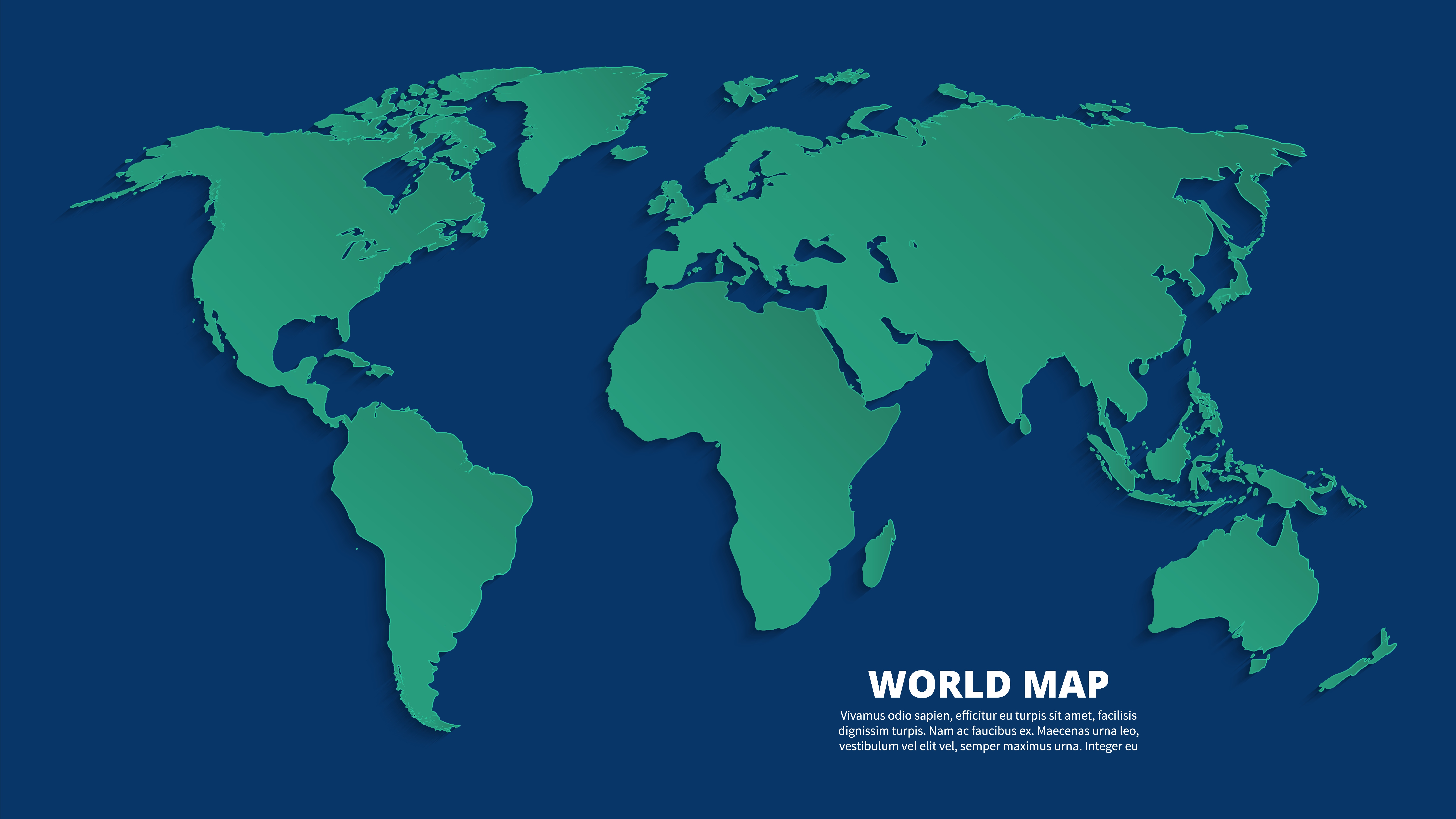
The era of the 'Global Village' is over. By 2030, the world will have formalised its fracture into two distinct, competing ecosystems: the Western-led Atlantic-Pacific Partnership and the Eurasian Security Architecture. This is not a repeat of the Cold War, which was a struggle over ideology. The 2030 conflict is a struggle over physics—specifically, the physical control of the nodes that make modern life possible: semiconductors, energy transit, and subsea data cables.
The Incentive of Incompatibility
To understand why this is happening, one must look at the incentive structures of the two primary protagonists: Washington and Beijing. For the United States, the primary goal is no longer the pursuit of cheap goods via globalised trade, but the 'de-risking' of its critical infrastructure. For China, the goal is 'Fortress China'—creating a domestic loop of consumption and technology that the West cannot throttle through sanctions.
This creates a self-fulfilling prophecy of escalation. When one side secures a supply chain, the other views it as an offensive preparation. By 2030, this will have led to 'technological apartheid'. A piece of software written in San Francisco may no longer be physically capable of running on hardware manufactured in Shenzhen. This is the second-order effect of the current trade wars: the death of interoperability.
The Pivot to Geography
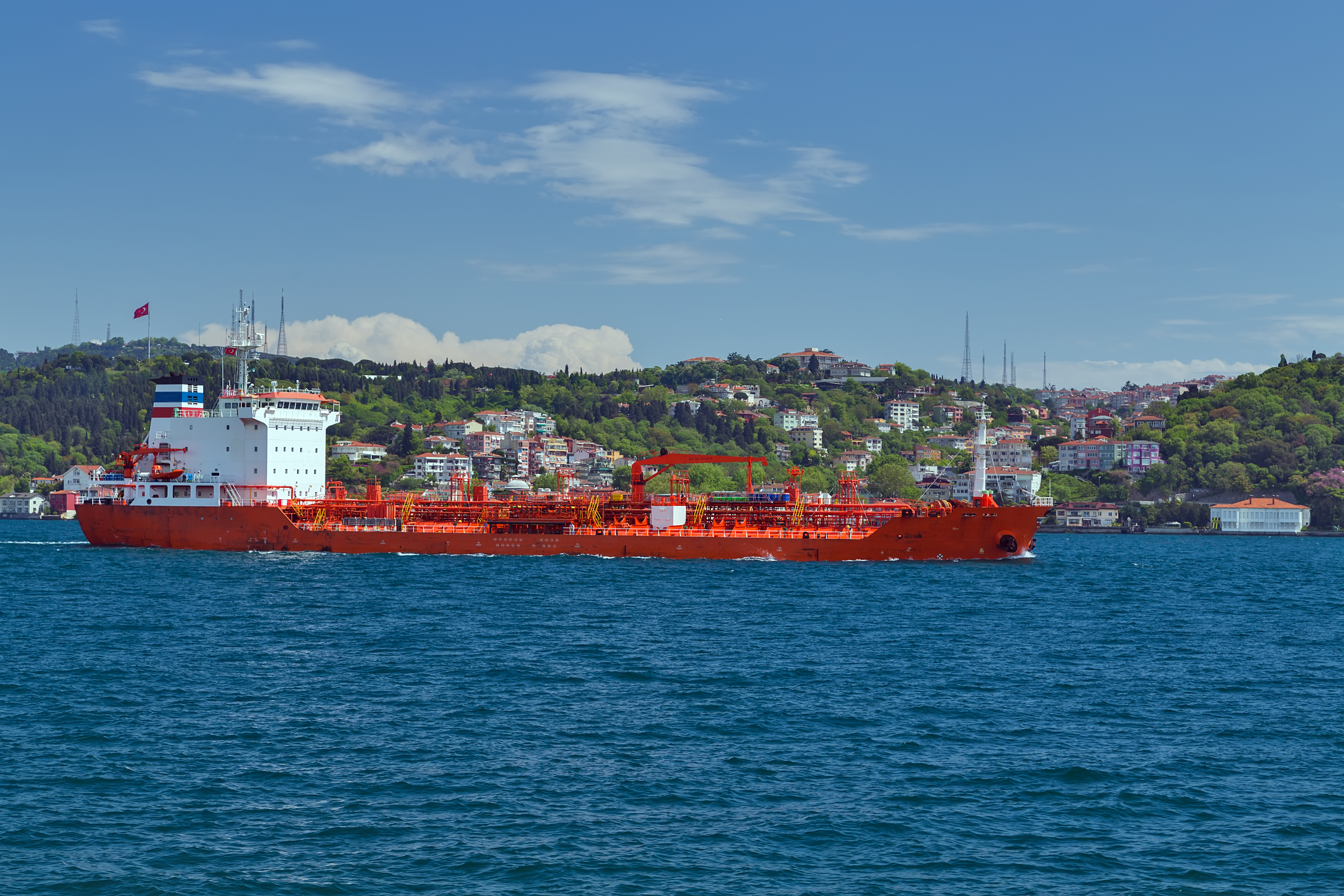
In a world of digital clouds, physical geography is becoming more important, not less. We are seeing the return of 'Choke Point Geopolitics'. The 2030 wargame will be won or lost in four specific locations: the Strait of Malacca, the Suwalki Gap, the Luzon Strait, and the Bab el-Mandeb. These are the valves of the global economy. In a bloc conflict, the objective is not to occupy territory, but to shut the valves of your opponent while keeping your own open.
The Middle Powers as Kingmakers
The most significant shift in the 2030 landscape is the agency of middle powers. Nations like India, Indonesia, Turkey, and Brazil are refusing to pick a side. They are 'multi-aligning'. They will trade their geography and resources to the highest bidder, creating a fragmented map where neutral zones act as the only remaining conduits for global interaction. These states are the primary beneficiaries of the superpower standoff, as they extract concessions from both blocs in exchange for 'passive' support.
A Historical Parallel: The 19th Century Great Game
The closest historical parallel is not 1947, but the 19th-century 'Great Game' between the British and Russian Empires. Like then, the current conflict is about spheres of influence and buffer states. It is a competition for the control of Eurasia. The difference is that while the 19th century was about railway lines and telegraph cables, the 21st century is about high-bandwidth fibre and rare-earth refineries. The logic remains the same: ensure your rival cannot project power into your backyard.
What Most People Miss: The Capital Flight Mutation
Most analysts focus on military hardware, but they miss the weaponisation of capital flows. By 2030, we will likely see the emergence of a dual financial system. One based on the US Dollar and the SWIFT messaging system, and another based on a digital Yuan-backed alternative linked to the BRICS+ expansion. This is not about the Dollar failing; the Dollar will remain the world’s premier store of value. It is about the Dollar becoming a 'walled garden'. If you are inside the garden, you have liquidity. If you are outside, you have to barter. This financial decoupling makes accidental escalation more likely because there are fewer shared economic costs to prevent a hot war.
Strategic Consequences
The move to a bloc-based world has three primary consequences:
- Redundant Supply Chains: Efficiency is being traded for resilience. This is structurally inflationary. Everything will cost more because it must be made in 'friendly' nations rather than 'efficient' ones.
- The End of Neutral Tech: Standards for 6G, AI, and green energy will diverge. Companies will have to choose which bloc they serve; they will no longer be able to serve both.
- Subsurface Warfare: Because the blocs are separated by oceans, the primary theatre of conflict will be the seabed. Cutting data cables and mining deep-sea minerals will become the 2030 equivalent of trench warfare.
What to Watch
- Energy Islanding: Watch for the speed at which China and Europe build out domestic nuclear and renewable capacity. The faster they do this, the more aggressive their foreign policy becomes as their 'energy leash' vanishes.
- The Indian Tilt: Watch New Delhi. If India moves toward a formal security pact with either bloc, the balance of power in the Indo-Pacific is effectively decided.
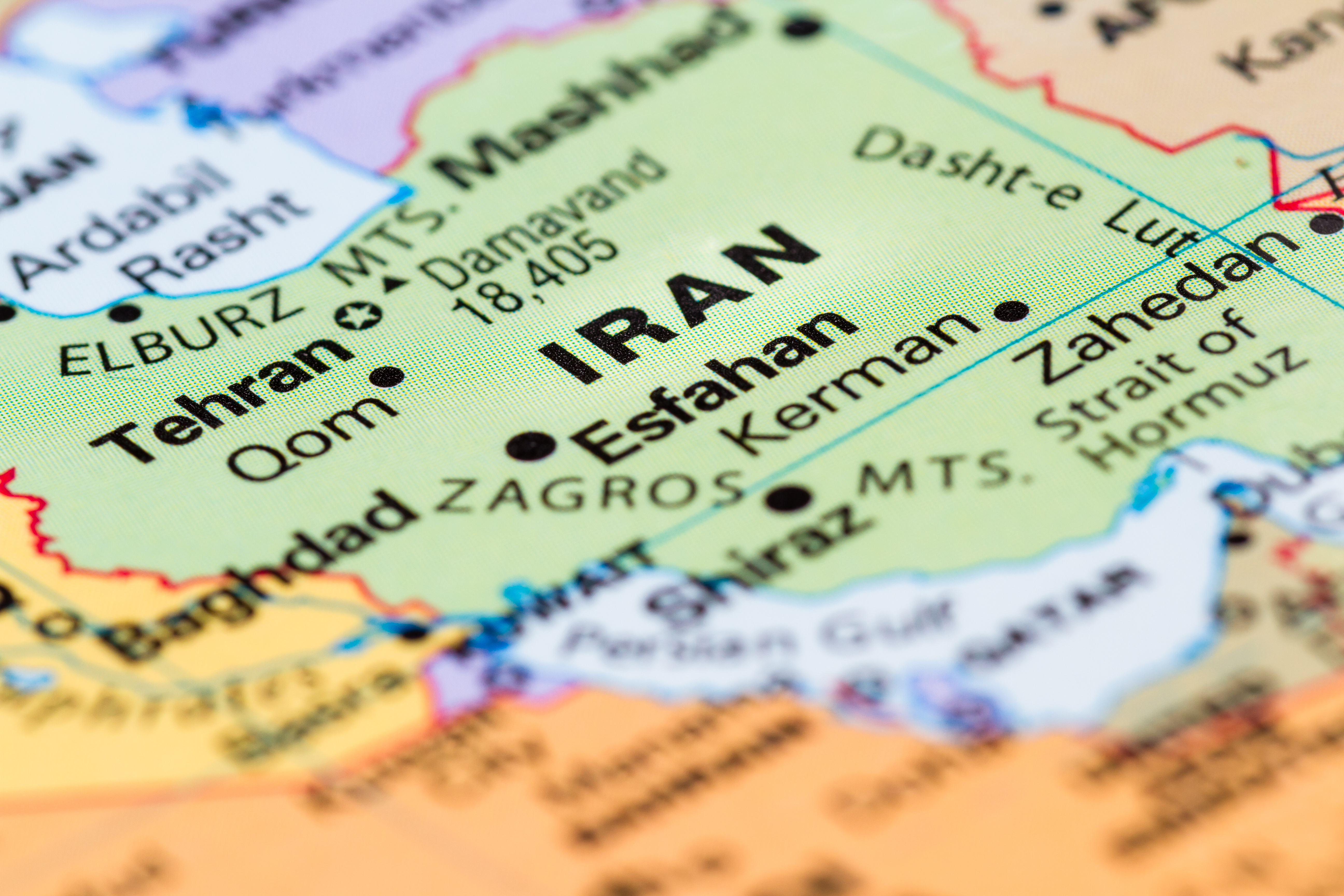
- Joint Command Structures: Watch for more permanent regional military integration, such as AUKUS or the growing Russia-Iran-China naval drills. These represent the hardening of bloc borders.
"The ultimate victory in 2030 will not be a flag planted on a capital, but the successful isolation of the enemy from the global nervous system."
KJ Verdict
The 2030 superpower wargame will not be a 'Big Bang' event. It will be a slow, grinding divorce. The primary risk is not a global nuclear exchange, but a series of regional 'limited' wars that test the resolve of the two blocs. The world is moving toward a state of 'Permanent Competition' where peace is merely the absence of direct kinetic conflict. Success will be defined by self-sufficiency. If a nation cannot feed itself, power itself, or compute for itself, it will become a vassal to one of the two poles. The era of the independent middle path is narrowing, and by 2030, it may be gone entirely.