
The Strategic Vulnerability of Global Hype
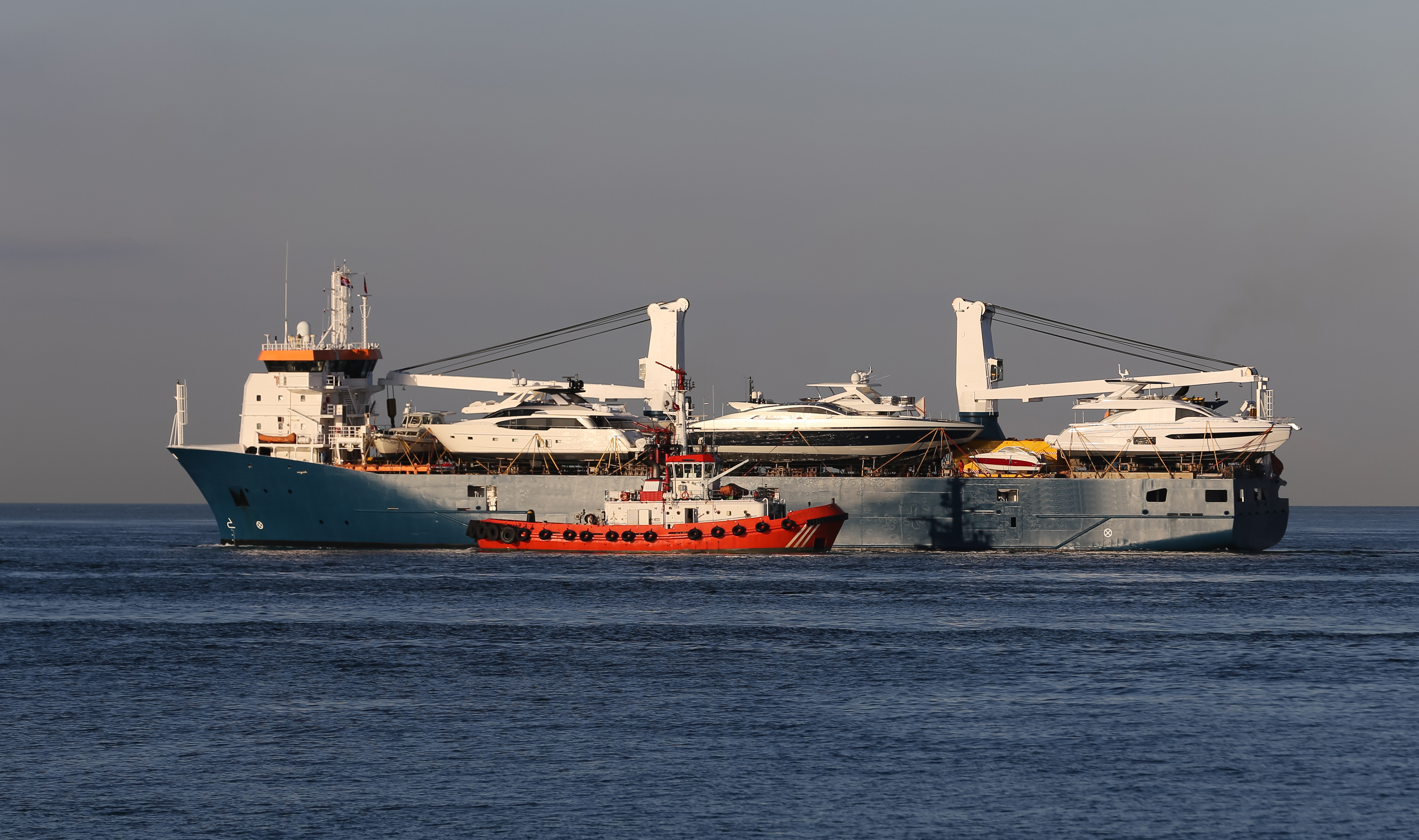
In the wake of direct kinetic exchanges between US forces and Iranian naval assets, the world is refocusing on the Strait of Hormuz. Standard market analysis remains obsessed with the Brent crude price. This is a mistake. While oil is the lifeblood of the old economy, the primary casualty of the current escalation is the logistics of the future: the high-end semiconductor and AI server supply chain. The Silicon Siege has begun, not through a lack of sand, but through the interruption of the thin, fragile routes that connect East Asian fabrication plants with Western data centres.
The conflict has forced a total rerouting of technical hardware. High-end AI accelerators, specifically those produced in Taiwan and South Korea, rely on air and sea corridors that are currently contested. The risk is no longer just high insurance premiums; it is the physical loss of cargo that represents tens of billions in capital expenditure. We are witnessing the first major conflict where the strategic incentive is not just to control energy, but to deny the adversary the ability to process information at scale.
The Incentive of Disruption
To understand the current crisis, one must look at the incentives of the primary actors. Iran understands that it cannot win a conventional blue-water naval war against the United States. Its goal is asymmetric: to make the cost of American presence in the Middle East unbearable for US domestic stakeholders. By targeting commercial vessels and threatening shipping lanes, Tehran isn't just fighting for regional hegemony; it is exerting leverage over the global technology sector. A three-week delay in H100 chip deliveries impacts the quarterly earnings and R&D cycles of every major American tech firm.
Washington, conversely, is incentivised to maintain the image of the 'Security Guarantor'. If the US cannot protect the transit of critical AI hardware through these regions, the credibility of its entire Indo-Pacific strategy collapses. The 'Silicon Siege' is a testing ground. If a regional power like Iran can successfully disrupt the flow of high-tech assets, it provides a blueprint for others to follow. This is why the US response has been disproportionately focused on securing logistics rather than just defensive posturing.
A Historical Parallel: The 1956 Suez Crisis
The current situation mirrors the Suez Crisis of 1956. Then, the point of failure was the canal and the commodity was oil, which underpinned European reconstruction. When the canal closed, it fundamentally altered the status of Britain and France, proving they could no longer project power unilaterally to protect their economic interests. Today, the Strait of Hormuz and the wider Gulf region act as the Suez of the 21st century. The commodity is no longer just crude; it is 'compute'. The disruption proves that the globalised, 'just-in-time' model for high-end technology is incompatible with a multipolar world where regional actors have the means to block the arteries of trade.
What Most People Miss: The Helium and Gas Crisis
While the focus is on the ships and the chips, the deeper structural vulnerability lies in the raw materials required for semiconductor manufacturing itself. The Middle East is a significant producer of high-purity gases and minerals used in the lithography process. Escalation in the Gulf doesn't just stop finished chips from moving; it threatens the production capacity of the fabs themselves. If the flow of these specialty gases is restricted, the yield at major foundries in Taiwan and the US will drop. This is a second-order effect that the market has yet to price in. We are not just looking at a delivery delay; we are looking at a potential production halt.
Strategic Consequences: The Great Rerouting
The immediate consequence is the 'Great Rerouting'. Logistics firms are moving away from the Suez-Hormuz corridor, opting for longer, more expensive routes around the Cape of Good Hope or trans-Pacific flights that bypass the Middle East entirely. This adds billions in overheads to an already capital-intensive AI industry.
- Reshoring Acceleration: The volatility in the Gulf is the final nail in the coffin for the old globalised model. It will accelerate the 'CHIPS Act' mentality, forcing the US and Europe to build end-to-end supply chains that are geographically isolated from Middle Eastern choke points.
- Bifurcation of Standards: As the US tightens its grip on the remaining secure routes, it will likely exclude 'unfriendly' nations from these supply chains, forcing a hard split between Western and Chinese-aligned technology ecosystems.
- The Rise of 'Compute Sovereignty': Nations will begin to treat AI processing power like energy reserves, stockpiling hardware and developing nationalised compute clusters to buffer against future logistical shocks.
What to Watch
- Insurance Premiums for High-Value Cargo: Watch if insurers begin to explicitly carve out 'Sovereign Technical Assets' from standard maritime policies, signalising a permanent increase in the cost of moving AI hardware.
- Iranian Intermediate-Range Missile Deployments: Any shift in Iranian missile positioning toward the Bab el-Mandeb strait indicates a long-term intent to hold the entire Red Sea route hostage.
- Singapore’s Logistics Hub Data: A sudden spike in trans-shipment volumes in Singapore suggests a definitive shift away from Middle Eastern routes toward the Pacific-Atlantic bypass.
The KJ Verdict
The conflict between the US and Iran is no longer a regional border dispute or a proxy war over ideology; it is a structural shock to the foundation of the modern economy. Hardware is the new geography. The Silicon Siege proves that you cannot have a borderless digital revolution built on a world of hardening physical borders. The era of cheap, reliable, globalised hardware movement is over. The future belongs to those who can produce, protect, and process within their own sphere of influence. Expect the cost of AI to rise as the cost of security is factored into every transistor. This is not a temporary disruption; it is the birth of the fractured tech-order.