
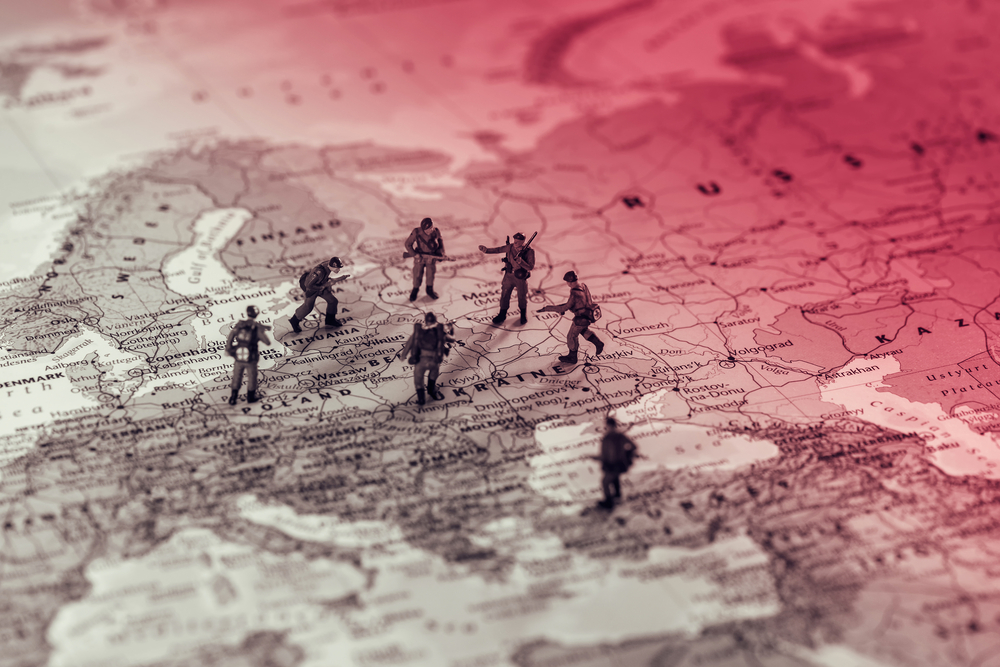
The Hotspots of the NATO-Russia Confrontation
15 March 20191,150
Listen to this article
KJ narrates this report in his own voice
Listen to this article
KJ narrates this report in his own voice
As Ukraine’s long-range capabilities render Crimea’s naval infrastructure untenable, Moscow faces a structural trap. The loss of Sevastopol does not invite peace; it necessitates a widening of the geographic conflict to preserve internal regime stability.
24 Sept 2026
Russia’s war economy has reached a structural ceiling. With labour shortages and machine depreciation peaking, the Kremlin is shifting from territorial conquest to a long-term strategy of industrial preservation and frozen attrition.
23 Sept 2026

The arrival of North Korean combat divisions on the European front has fundamentally altered the Eurasian power balance. Moscow’s tactical reliance on Pyongyang’s manpower has created a permanent structural dependence that subordinates Russian defence policy to East Asian objectives.
16 Sept 2026
The integration of North Korean personnel into the Russian military signals a structural shift in Moscow’s long-term strategy. This partnership resolves Russia’s demographic deficit, enabling a sustained war of attrition while bypassing politically sensitive domestic mobilisation.
14 Sept 2026
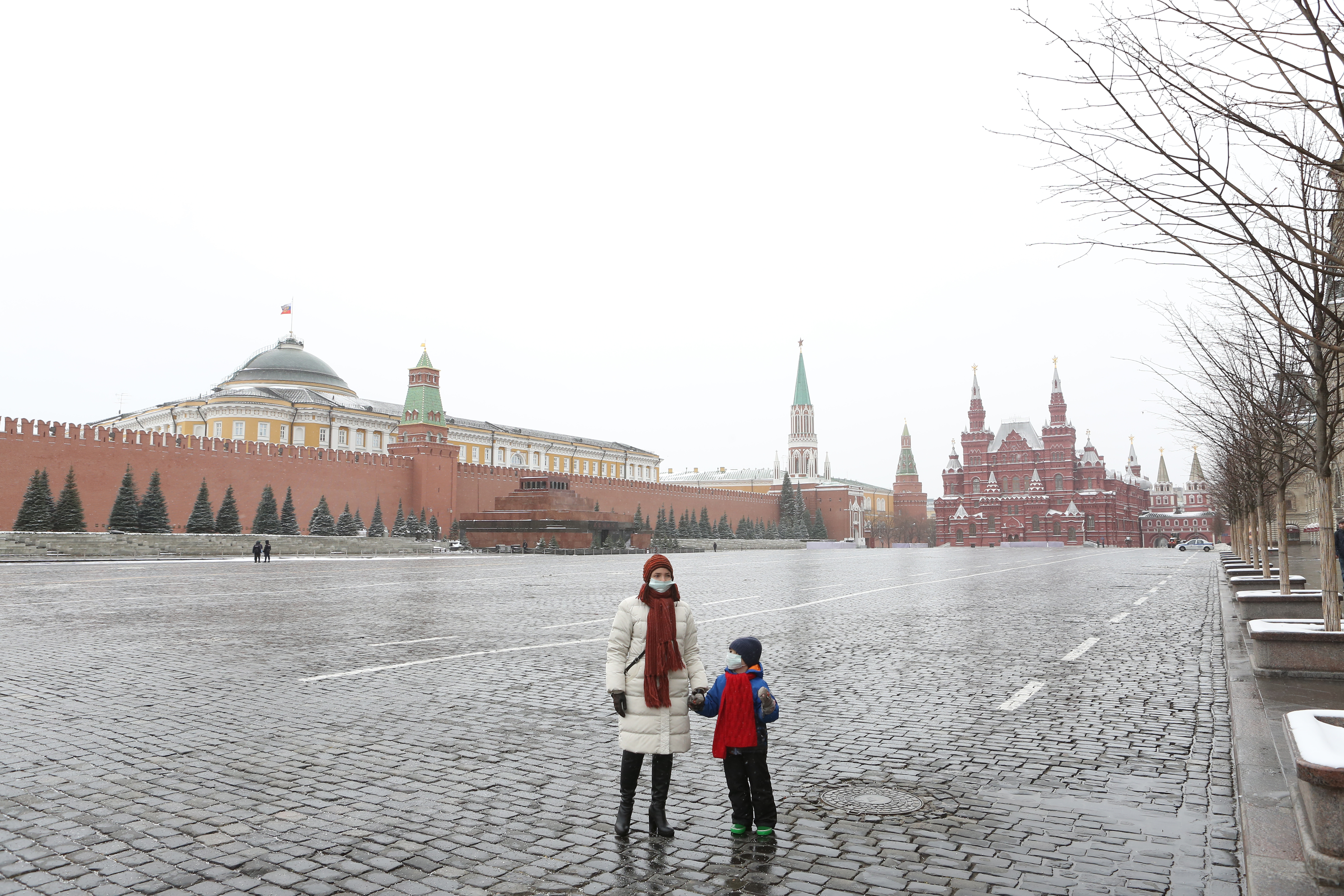
The Kremlin has abandoned the concept of a terminal military victory in favour of total exhaustion. This shift reveals a structural commitment to permanent mobilisation that reshapes the Russian state for a generation.
2 Sept 2026
Despite the G7’s unified front against Moscow, Tokyo maintains a quiet, structural dependency on Russian energy projects. This strategic fracture reveals the limits of ideological alliances when confronted with the brutal realities of island geography.
25 Aug 2026