KJ ReportsKJ Reports

The Geopolitical Significance of Yemen

27 August 2017894

Listen to this article

KJ narrates this report in his own voice

The Geopolitical Significance of Yemen

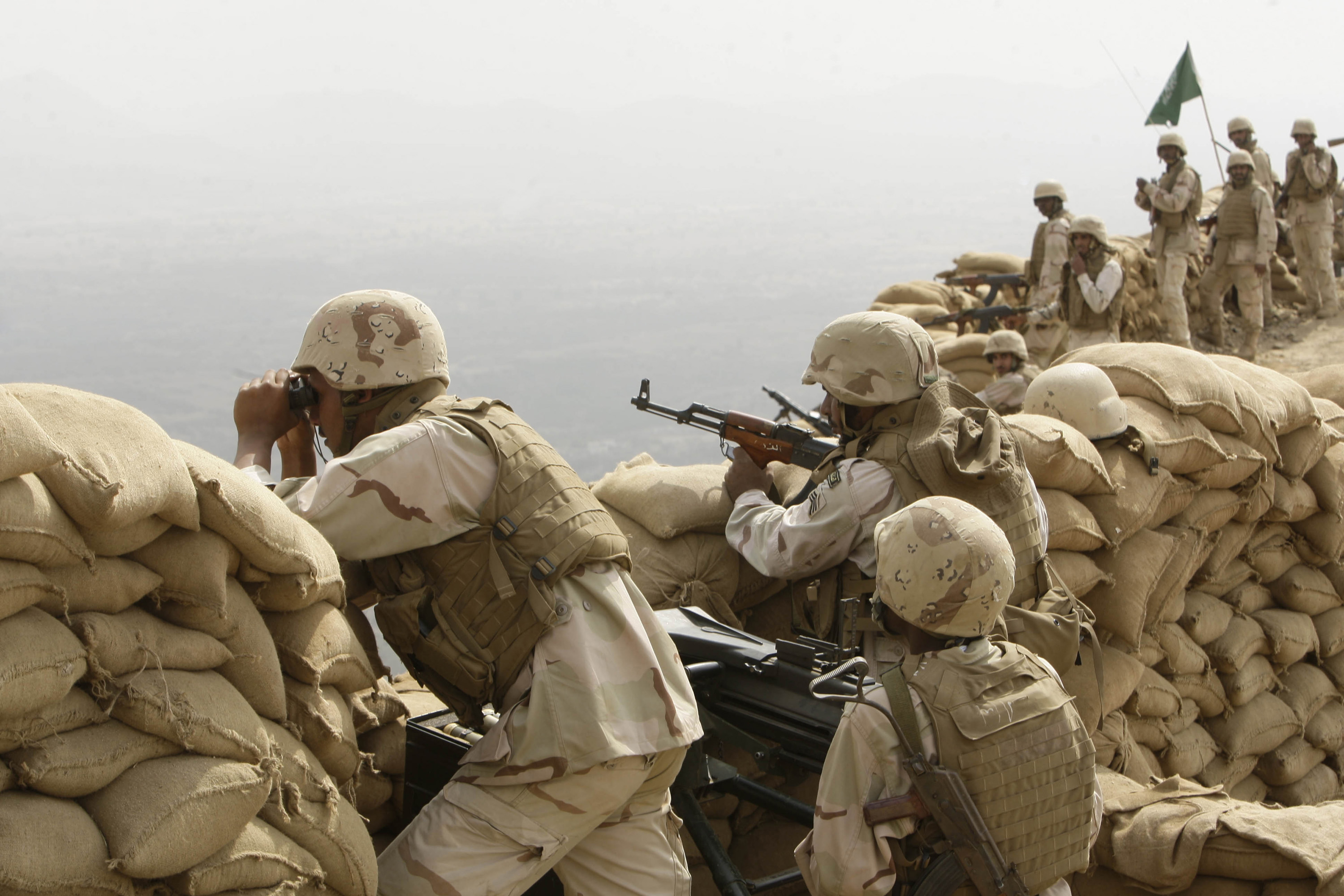
The Yemen Civil war led by Saudi on behalf of America is part of a broader geopolitical conflict.

Alongside Djibouti, Yemen forms part of an important maritime chokepoint, called the Bab-el-Mandeb Strait

The Bab el-Mandeb Strait is a chokepoint between the Horn of Africa and the Middle East.

The strait is located between Yemen, Djibouti, and Eritrea, and connects the Red Sea with the Gulf of Aden and the Arabian Sea.

Almost all of the trade between the European Union and China, Japan, India and the rest of Asia passes through the Bab el-Mandeb everyday.

It is no exaggerations to call the Mandeb Strait one of the world’s arteries.

It is impossible to traverse from the Mediterranean Sea into the Indian Ocean via the Suez Canal without going through the Bab el-Mandeb.

Bab-el-Mandeb overlooks one of the most strategic and important global corridors for the transportation of energy and international commerce.

Preventing US and Saudi rivals from gaining a strategic foothold over the Mandeb Strait and the Gulf of Aden is a major objective of the war on Yemen.

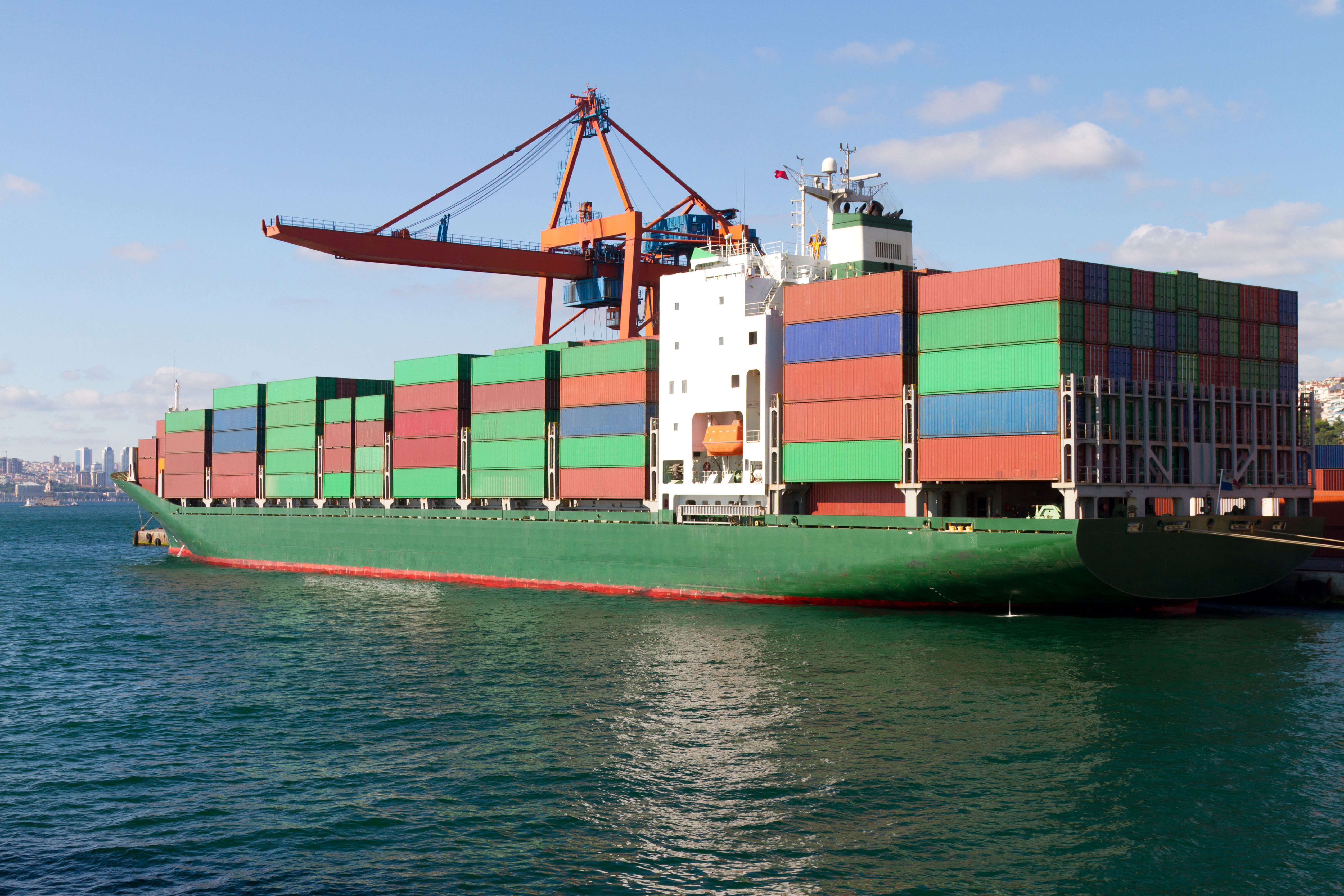
Closure of the Bab el-Mandeb could keep tankers from the Persian Gulf from reaching the Suez Canal or SUMED Pipeline, diverting them around the southern tip of Africa, adding to transit time and cost.

In addition, European and North African southbound oil flows could no longer take the most direct route to Asian markets via the Suez Canal and Bab el-Mandeb.

The US and the House of Saud see control over the Mandeb Strait and the Gulf of Aden as strategically important in the scenario of a conflict with Iran where Tehran closes the Strait of Hormuz to oil shipments and international shipping.

#bab-el-mandeb#bab-el-mandeb-strait#geopolitics-of-yemen#geopolitics-yemen#horn-of-africa#vision-geopolitica-yemen#what-s-happening-in-yemen#yemen-bab-el-mandeb#yemen-civil-war#yemen-crisis#yemen-geopolitics#yemen-war-crimes#yemen-war-explained#yemen-war-latest#yemen-war-report#yemen-war-saudi-arabia

Related Intelligence

More articles
The Hollow Pillar: Why Tehran’s Internal Decay Trumps Proxy Power
Middle East

The Hollow Pillar: Why Tehran’s Internal Decay Trumps Proxy Power

Iran’s sprawling ‘Axis of Resistance’ offers a façade of regional dominance. Yet, a widening rift between the clerical elite and a disillusioned populace transforms every foreign intervention into a domestic liability, eroding the Islamic Republic’s ultimate deterrent.

9 Jul 2026

The Escort Trap: Unifying the Mediterranean and Persian Gulf
Middle East

The Escort Trap: Unifying the Mediterranean and Persian Gulf

NATO’s permanent naval deployment in the Strait of Hormuz has effectively dissolved the geographic distinction between European and Middle Eastern security, creating a single, interlocking conflict theatre from Gibraltar to the Arabian Sea.

8 Jul 2026

The Swiss Conduit: Doha and Islamabad’s New Security Architecture
Middle East

The Swiss Conduit: Doha and Islamabad’s New Security Architecture

A quiet structural shift has transformed Qatar and Pakistan into the indispensable intermediaries of the Middle East. By leveraging geography and intelligence depth, this new axis is managing volatility that traditional Western diplomacy can no longer touch.

28 Jun 2026

The Anatolian Bridgehead: Why Türkiye is the Pivot of the 2026 Order
Middle East

The Anatolian Bridgehead: Why Türkiye is the Pivot of the 2026 Order

As the global architecture fractures into competing blocs, Ankara has transformed from an erratic NATO outlier into the indispensable arbiter of Eurasian logistics, energy security, and regional containment.

27 Jun 2026

The Gulf Restoration: Abu Dhabi’s Strategic Decoupling
Middle East

The Gulf Restoration: Abu Dhabi’s Strategic Decoupling

The UAE’s 14-Point Pact and aggressive production capacity expansion have fundamentally altered the relationship between oil and regional chaos. For the first time, Abu Dhabi has ensured its economic survival no longer depends on regional peace.

26 Jun 2026

The Iranian Chokepoint: Why $200 Oil is Tehran’s Strategic Veto
Middle East

The Iranian Chokepoint: Why $200 Oil is Tehran’s Strategic Veto

As regional tensions escalate, Iran’s ability to throttle the Strait of Hormuz has transformed from a military threat into a sophisticated macroeconomic weapon designed to neutralise Western sanctions and leverage global energy markets.

16 Jun 2026