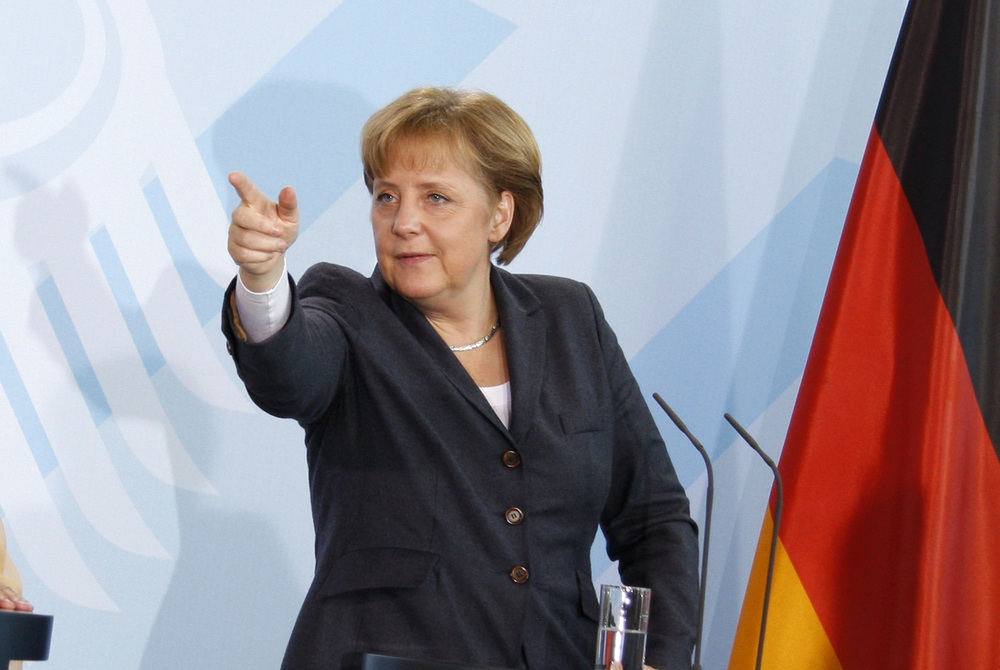
The future of Germany after Angela Merkel

21 November 20191,764

Listen to this article

KJ narrates this report in his own voice

The future of Germany after Angela Merkel

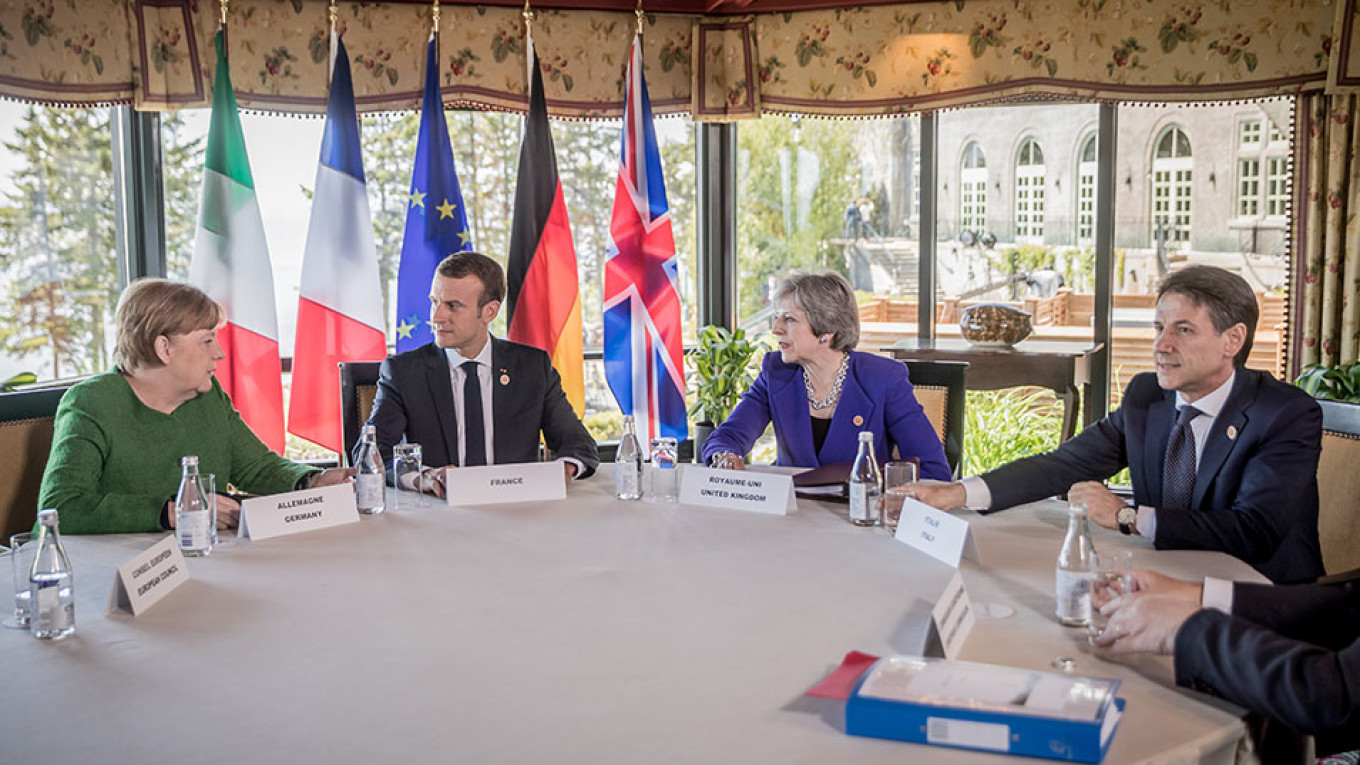
Regardless of who replaces Angela Merkel as the German Chancellor, the country’s foreign policy and geopolitical orientation will remain unchanged. Germany will not leave NATO and the European Union, it will not withdraw from the Eurozone, the American troops will stay in Germany, and Berlin will remain inferior to the United States, as well as to Great Britain to a certain extent.

Is Merkel the US Puppet?

After the end of the Second World War, Germany ceased to be an important player in global political arena. The country lost almost a third of its prewar territory, but more importantly it completely lost its sovereignty. Federal Republic of Germany might have a powerful economy, but politically it is very dependent on Washington. In 2017 the then German Foreign Minister Sigmar Gabriel said that Angela Merkel and her Christian Democratic Union of Germany subordinated themselves to the militaristic policies of Donald Trump.

The US president has demanded that the America’s NATO partners raise their defense spending to the organization’s guideline of two percent of gross domestic product. In May this year, Germany announced that it will raise defense spending. Although Berlin contributes to the alliance in many important ways, the country devotes just about 1.26 percent of gross domestic product (GDP) to military spending. The increase would amount to 1.35% of GDP – still a long way off the two percent target NATO members have set themselves. However, the increase would be the biggest for Germany since the end of the Cold War in 1991. At the same time, this move is showing that Germany still has to make serious concessions to Washington, as it did for the past decades.

In 2013 Alice Weidel of the Alternative for Germany political party reportedly wrote that Chancellor Angela Merkel and her government are nothing other than puppets of the allied powers. The Alternative for Germany, on the other hand, is accused of being on the Kremlin payroll, and German mainstream media constantly portray organization as a far right party. In reality, the party leaders can be described merely as reactionaries with no clear perception of the future of Germany, and with no new ideas. They know quite well what they oppose, but they lack an overall vision of a German society.

Germany in a shadow of the US

Many analysts and politicians in the Balkans accuse Germany of being a colonial power in this part of Europe. Although Berlin has a strong economic, and to a certain degree political influence in the Balkans, Washington is the one who is actually pulling the strings not just in South-Eastern Europe, but throughout the continent. During the violent protests in Kiev’s Maidan Square in 2014, which resulted in overthrowing the Ukrainian President Victor Yanukovich, Foreign Ministers of Germany and Poland – Frank-Walter Steinmeier, Radoslaw Sikorski and head of the Department for continental Europe of the Ministry of foreign Affairs of the French Republic Eric Fournier, tried to mediate in order to resolve the crises. At the same time, Victoria Nuland, the then Assistant Secretary of State for European and Eurasian Affairs at the US Department of State, played the major role behind the scenes. In a leaked conversation between Nuland and Geoffrey Pyatt, the US ambassador in Kiev, the two officials discussed possible nominations of opposition leaders to form a new government. In the recording Nuland is heard saying “F**k the EU”, and the US ambassador answers “exactly”. Angela Merkel described those remarks as “totally unacceptable” but the events in Maidan clearly showed who is in charge in Ukraine.

In the south of Europe, Germany is believed to have a total economic control over Greece. Many analysts think that Berlin turned the Balkan and Mediterranean country into its colony, since Germany turns out to be a major beneficiary of Greece’s debt crisis as it earned a total of €2.9 billion between 2010 and 2017. Still, Greece is heavily dependent not only on Germany, but on the International Monetary Fund dominated by Washington, as the Unites States has unique veto power over major policy decisions of the IMF.

German role in the Balkans

Germany plays an important roles in the former Yugoslav republics. Its economic influence is visible in most Balkan countries. At the same time, Berlin is trying to take a political initiative as well, but it is overshadowed by the US dominance. Still, some researchers argue that Germany played a crucial role in the early 1990s when Berlin pushed for early recognition of Croatia and Slovenia in December 1991, which resulted in the bloody breakup of the Yugoslav Federation. Also, in 1999 Germany joined NATO aggression against Yugoslavia, which was the first German military campaign after 1945 in a region that suffered so much under German occupation during World War II.

Today many in the Balkans consider Germany to be one of the most influential geopolitical players, as it apparently holds the keys to the “bright European future” of the Balkan countries who are seeking to join the EU. Angela Merkel has officially been advocating the enlargement of the EU by formally inviting several ex-Yugoslav republics and Albania to start membership talks. After years of waiting to join the EU, many in the region draw the obvious conclusion that since it appears that the EU won’t come to them, they will go north and west to Europe. Some argue that that may well be what is desired in Germany, which increasingly has to contend with labor shortages. The remaining population in the Balkans may keep working as a cheap labor in German companies and former industrial giants that were sold to German corporations during the mafia style privatization.

Apart from that, Germany is among the top three export destinations for Serbia, Croatia, Bosnia-Herzegovina, Montenegro, Macedonia, and Albania, and is one of the top European investors in the region, making Berlin the most important EU partner for the Balkan states. By maintaining a close relationship with these countries, Berlin may be sending a message that it is still a powerful European nation and has an interest in Eastern Europe’s future.

German Challenges 

The days of Angela Merkel as a political figure are numbered. Berlin’s political strategists are already preparing for what comes next. Whoever becomes a new German Chancellor will unlikely make any radical changes. None of the mainstream politicians is showing the will to resolve crucial issues the country’s been facing for decades. Germany’s identity debate has percolated for years as the country has struggled to come terms with the parallel challenges posed by immigration and an aging society. The discussion has largely taken place outside Germany’s political mainstream, however. It is unlikely that Merkel’s successor will end the uncontrolled immigration which threatens to radically transform German’s society. Until these questions are resolved, the approval ratings of populist and anti-Islam groups will continue to grow, but it will unlikely affect the country’s domestic and foreign policy.

A future Chancellor is expected to keep the status quo in Germany relations with Washington, which means that the country will stay a defacto US vassal state for the foreseeable future. The US, on the other hand, might decrease its military presence in Germany, but it will step up its efforts to influence Berlin with soft power.

Related Intelligence

More articles
Is Turkey using the migration crisis as an opportunity to strengthen its EU bid?
Europe

Is Turkey using the migration crisis as an opportunity to strengthen its EU bid?

Germany and Turkey have a positive meeting over migration Turkey has long been cooperating with the EU on controlling migration flow and establishing quotas. Germany on Sept. 12 reaffirmed its commitment to the EU-Turkey refugee agreement, amid fears of another refugee wave due to the Syrian regime’s attacks in the northwestern region of Idlib. Speaking at a news conference in Berlin, German Foreign Minister Heiko Maas expressed concern over recent developments and an increasing number of crossings in the Aegean Sea in recent months. “I have discussed these issues in a phone call with my Turkish counterpart Çavuşoğlu this week. “I had once again highlighted that the EU would honour its commitments under the EU-Turkey refugee agreement,” he said, adding that he expected Turkey would also continue to honour its commitments. “It has been a very constructive discussion. So I believe that the situation will step by step calm down and normalize again,” he added. Last week Turkish President Recep Tayyip Erdoğan warned of a new potential refugee influx from the conflict-torn Idlib, Syria, and he urged the EU to take measures to share the burden. He underlined that Turkey might open the doors for refugees to cross to Europe if the EU would not share the burden. While this is continued cooperation between Turkey and the EU, Turkey’s renewed interest could signify another push to use cooperation on the migration issue to strengthen its bid to enter the EU. Subscribe to read the full article We wish we didn't have to do this, but only paid subscribers can read the full article, Unlike other publishers, we are not the beneficiaries of State funds and are entirely dependent on our supporters to keep KJ Vids functioning. Please subscribe to read the rest of the article. The First 1,000 subscribers will receive a 50% lifetime discount to our content. - Access over 500 videos explaining global politics - Full access to all articles - Vote on future video topics - Secure Questions for Video Q&As Sign Up - https://www.kjreports.com/product/lifetimediscount/

13 Sept 2019

Is Germany ignoring the Hong Kong protests because it needs China’s cooperation?
China

Is Germany ignoring the Hong Kong protests because it needs China’s cooperation?

US-China trade war crippling German economy Germany’s economy is suffering badly from the ongoing trade war between the US and China and this is one of the main reason for its upcoming trade talks with China. Merkel on Thursday starts a three-day trip to China, a major trade partner of the biggest EU economy, with a large business delegation in tow. It is expected the EU power state is nowhere near making a recovery, and that recession is now a very real and dangerous prospect. Thomas Gitzel, chief economist of the Liechtenstein VP Bank said: “The misery in the manufacturing sector continues.” Carsten Brzeski, chief economist of the direct bank ING Germany added the “development significantly increases the probability of a recession for the German economy”. The annual decline of Germany is expected to be four percent at the end of the financial year of 2018/2019. The news comes after the German economy shrank by 0.1 percent in the second quarter, gross domestic product figures revealed today sending Germany halfway towards recession as Angela Merkel faces economic contraction. Germany’s trade talks with China will be crucial in at least attempting to reverse this trend, as China as an economic giant, has the weight to do so if a positive trade agreement is found. Subscribe to read the full article We wish we didn't have to do this, but only paid subscribers can read the full article, Unlike other publishers, we are not the beneficiaries of State funds and are entirely dependent on our supporters to keep KJ Vids functioning. Please subscribe to read the rest of the article. The First 1,000 subscribers will receive a 50% lifetime discount to our content. - Access over 500 videos explaining global politics - Full access to all articles - Vote on future video topics - Secure Questions for Video Q&As Sign Up - https://www.kjreports.com/product/lifetimediscount/

6 Sept 2019

The EU is standing up to Trump: 5 Geopolitical Effects You Need to Know
Europe

The EU is standing up to Trump: 5 Geopolitical Effects You Need to Know

1. EU wants to address trade imbalance with the US The EU wants to address its increasingly imbalanced trade relationship with the US at the upcoming G7 summit. French President Emmanuel Macron looks to lead Europe’s defensive strategy against a trade-heavy White House agenda that has pushed the continent into a variety of uncomfortable disagreements. Trump may not like this approach, and his reaction is unlikely to be positive, but the EU remains hopeful. 2. Tusk attacks Trump In a move that further stirs tensions between the parties before the G7 summit, as Donald Tusk, President of the European Council, announced that “under no condition” will the EU agree to Trump’s suggestion to invite Russia back into the G7. In fact, Ukraine may be invited as a guest to next year’s summit. “One year ago, in Canada, President Trump suggested reinviting Russia to G7, stating openly that Crimea’s annexation by Russia was partially justified and that we should accept this fact,” Tusk said. “Under no condition can we agree with this logic.” Officials from Germany, France, and the United Kingdom made similar comments earlier in the week. Tusk went on to explain: “When Russia was invited to G7 for the first time, it was believed that it would pursue the path of liberal democracy, rule of law, and human rights. Is there anyone among us, who can say with full conviction, not out of business calculation, that Russia is on that path?” This is certainly a negative preview to talks at the summit as tensions seem high. Subscribe to unlock the other 3 Points We wish we didn't have to do this, but only paid subscribers can read the full article, Unlike other publishers, we are not the beneficiaries of State funds and are entirely dependent on our supporters to keep KJ Vids functioning. Please subscribe to read the rest of the article. The First 1,000 subscribers will receive a 50% lifetime discount to our content. - Access over 500 videos explaining global politics - Full access to all articles - Vote on future video topics - Secure Questions for Video Q&As Sign Up - https://www.kjreports.com/product/lifetimediscount/

27 Aug 2019

Is France taking control of the European Union? 5 Geopolitical Effects You Need to Know
Europe

Is France taking control of the European Union? 5 Geopolitical Effects You Need to Know

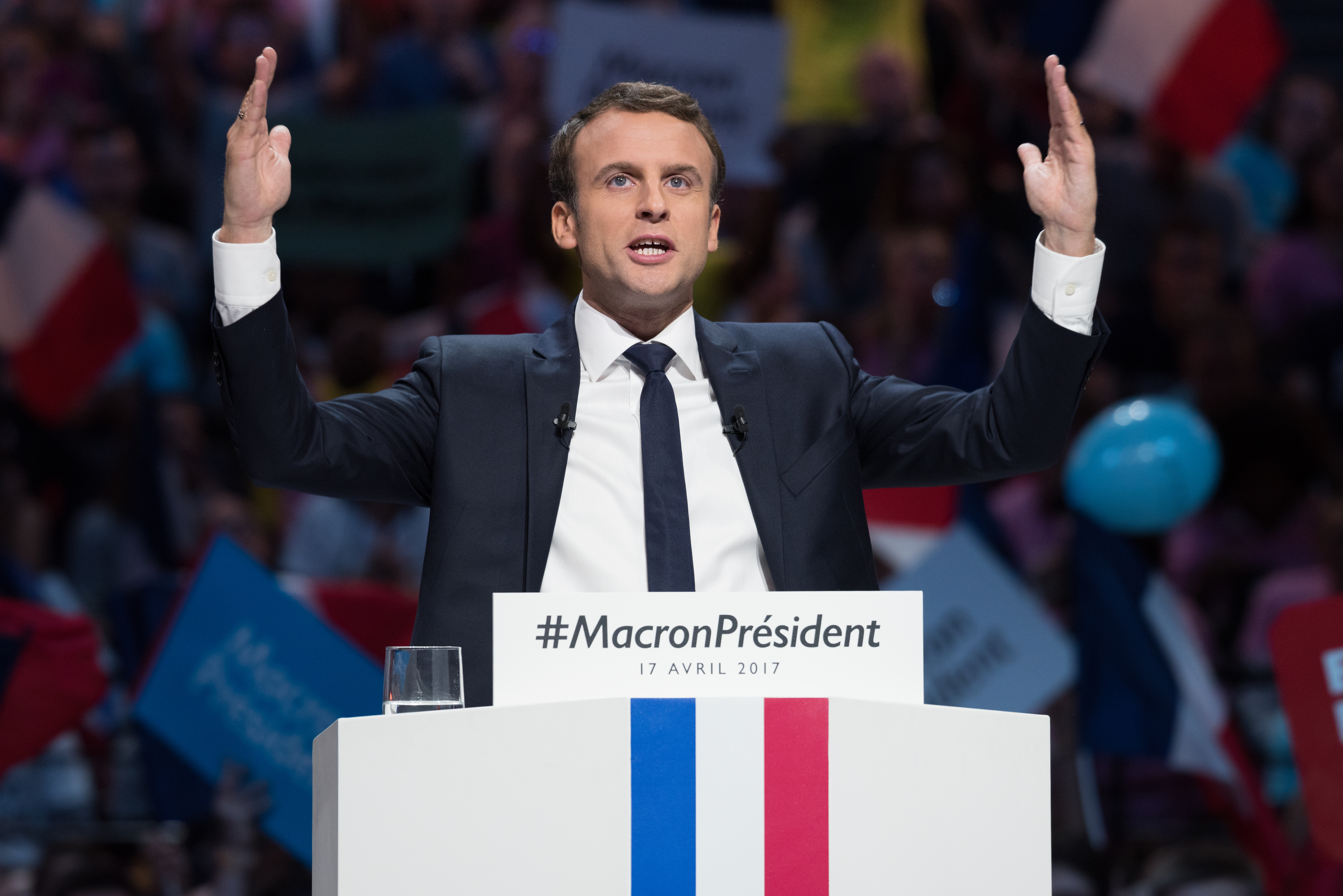
1. Macron wants to force Britain’s fast exit from the EU Emmanuel Macron and France appear to have the power to force Britain out of the EU on their terms and are looking to use it. As a result, president Macron also has his eye on wider French national economic interests. Poaching jobs and lucrative business from the City of London and Canary Wharf would help Paris eclipse London. Manufacturing displaced from the UK could come to France. This is clearly in France’s own interest and not aligned with the EU’s potentially leading to a crash between the two parties. 2. France clashes with EU on climate France has already clashed with the EU, in another sign that it has taken to its own path to reach its goals, as Emmanuel Macron has branded Brazil’s president a liar and threatened to block the European Union’s trade deal with the Mercosur countries as he prepares to whip the Group of Seven leaders into climate action. “Under these conditions, France will oppose the Mercosur as it stands,” said a French official. Although France and the EU agree on opposing the Amazon fires, France is taking a much more hard-line and direct approach unlike the EU. Subscribe to unlock the other 3 Points We wish we didn't have to do this, but only paid subscribers can read the full article, Unlike other publishers, we are not the beneficiaries of State funds and are entirely dependent on our supporters to keep KJ Vids functioning. Please subscribe to read the rest of the article. Subscribe to unlock the other 3 Points We wish we didn't have to do this, but only paid subscribers can read the full article, Unlike other publishers, we are not the beneficiaries of State funds and are entirely dependent on our supporters to keep KJ Vids functioning. Please subscribe to read the rest of the article. The First 1,000 subscribers will receive a 50% lifetime discount to our content. - Access over 500 videos explaining global politics - Full access to all articles - Vote on future video topics - Secure Questions for Video Q&As Sign Up - https://www.kjreports.com/product/lifetimediscount/

26 Aug 2019

Nord Stream 2 Gas Pipeline: 5 Geopolitical Effects You Need to Know
Denmark

Nord Stream 2 Gas Pipeline: 5 Geopolitical Effects You Need to Know

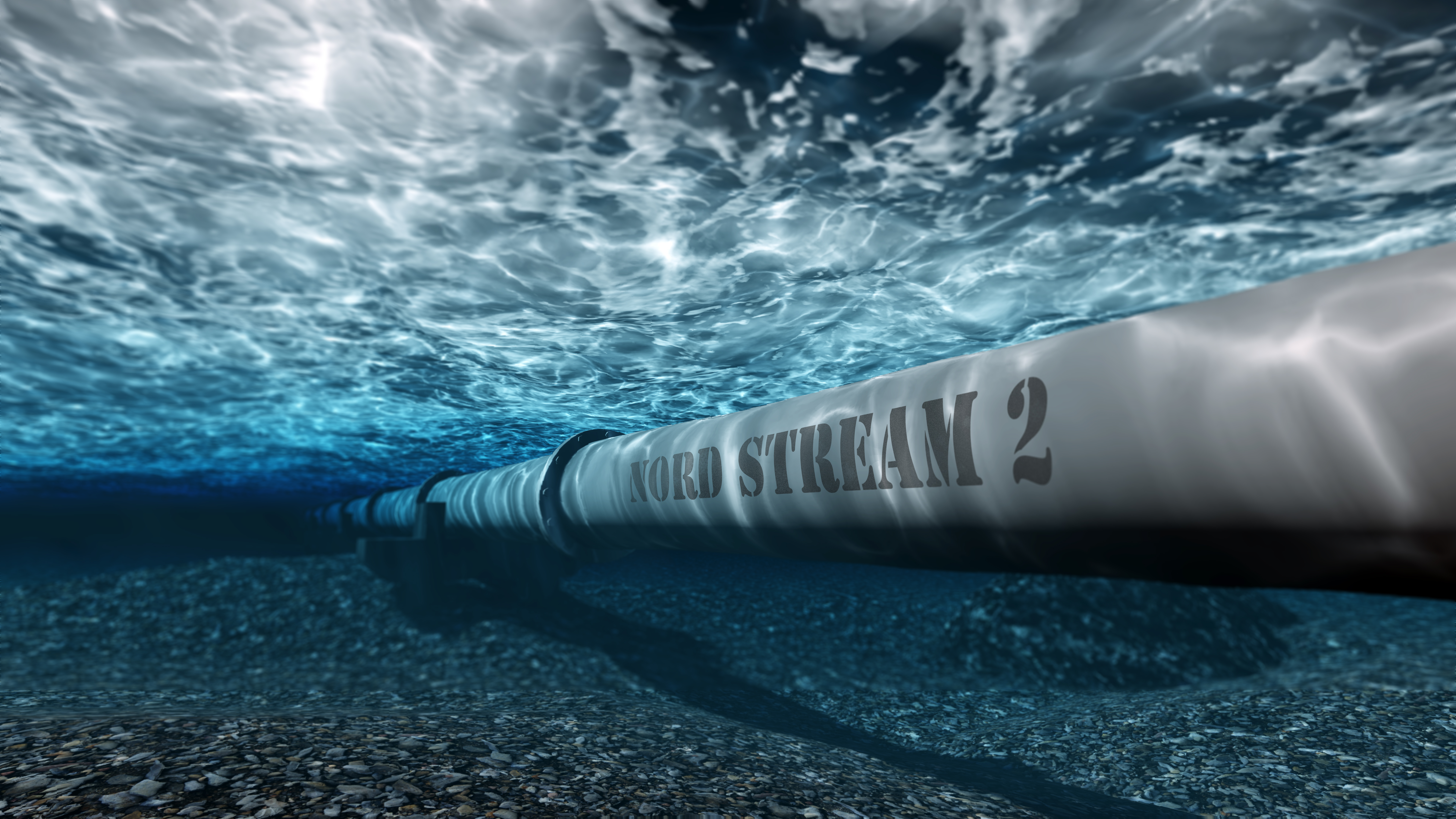
1. What is Nord Stream 2? Nord Stream 2 is a gas pipeline currently under construction from Russia to Germany via the Baltic Sea. The new pipeline will run alongside the already constructed Nord Stream and will double the amount of gas being funnelled through the Baltics to 110 billion cubic meters per year. The pipeline is expected to be operational by the beginning of 2020 and intends to provide Europe with a sustainable gas supply while providing Russia with more direct access to the European gas market. But the project is facing strong opposition from Poland, and other European nations, as well as the US. 2. Denmark slowing the project down A delay in approval from Denmark could lead Russia to miss the deadline to begin pumping gas to Europe through the controversial Nord Stream 2 gas pipeline. The €9.5bn link that will carry gas from Kremlin-controlled Gazprom to Germany has received authorisation from several of the Baltic Sea nations whose waters it will cross, but not Denmark. Permit applications with the Danish Energy Agency for two different proposed routes have been pending for months, throwing the planned year-end launch date into doubt. Such a delay would hurt the project as its intention to double the output of Nord Stream 1 would be postponed Subscribe to Unlock the other 3 Points We wish we didn't have to do this, but only paid subscribers can read the full article, Unlike other publishers, we do not rely on volunteers and pay all our analysts, editors and designers to produce quality content. By investing in KJ Vids, you are investing in yourself Our content succinctly contextualises the key geopolitical trends you need to know in order to make sense of world events. We can assure you that a regular dose of our content will be as healthy as fruit and vegetables for your mind then, Try us out with a 14-day free trial.

2 Aug 2019

Nazi Germany’s Geopolitical School
Germany

Nazi Germany’s Geopolitical School

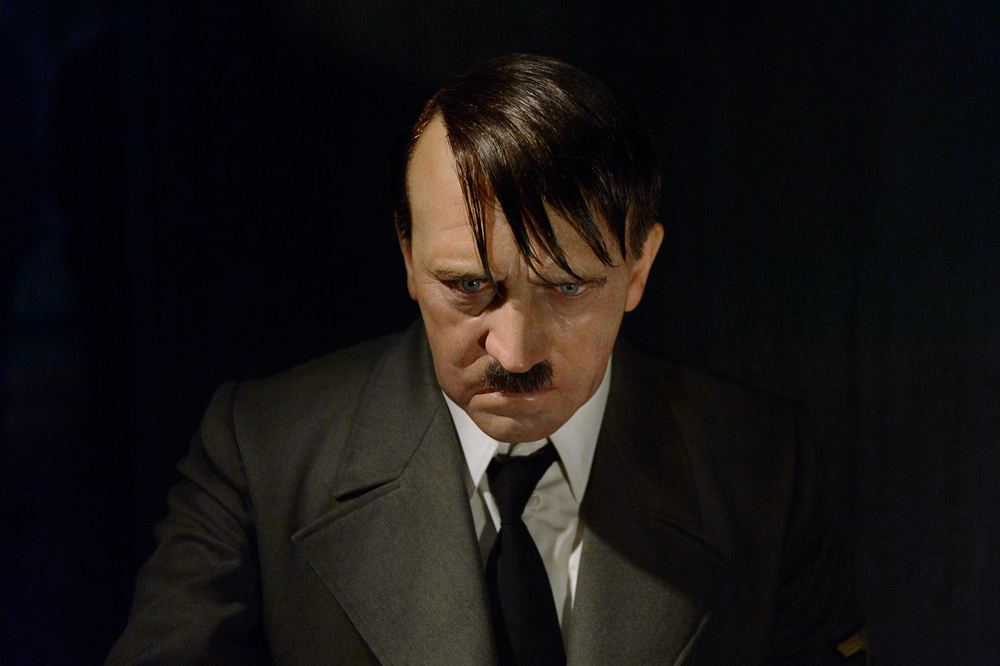
Nazi Germany’s attempt to dominate Europe and establish a German-centred order resulted in the devastations of WWII and ultimately in the crushing defeat of Germany itself. It's quest had been deeply influenced by the ideas of Friedrich Ratzel and Karl Haushofer, two prominent scholars of the German geopolitical school whose legacy still survives today in the grand strategy of another major power.

4 Jun 2019