On 16th November 2017, The chief of staff of Israel’s military (IDF) said that his country is ready to share intelligence on Iran with Riyadh.
“With [US] President Donald Trump, there is an opportunity for a new international alliance in the region and a major strategic plan to stop the Iranian threat,” Lt. Gen. Gadi Eisenkot, chief of staff of the Israel Defense Forces (IDF)
This announcement coincided with the 40th anniversary of Egyptian President Anwar Sadat’s historic visit to Jerusalem.
Sadat shocked the Middle East and the entire world when he announced in 1977, without any prior warning, that he was prepared to board a plane to Jerusalem and address the Knesset.
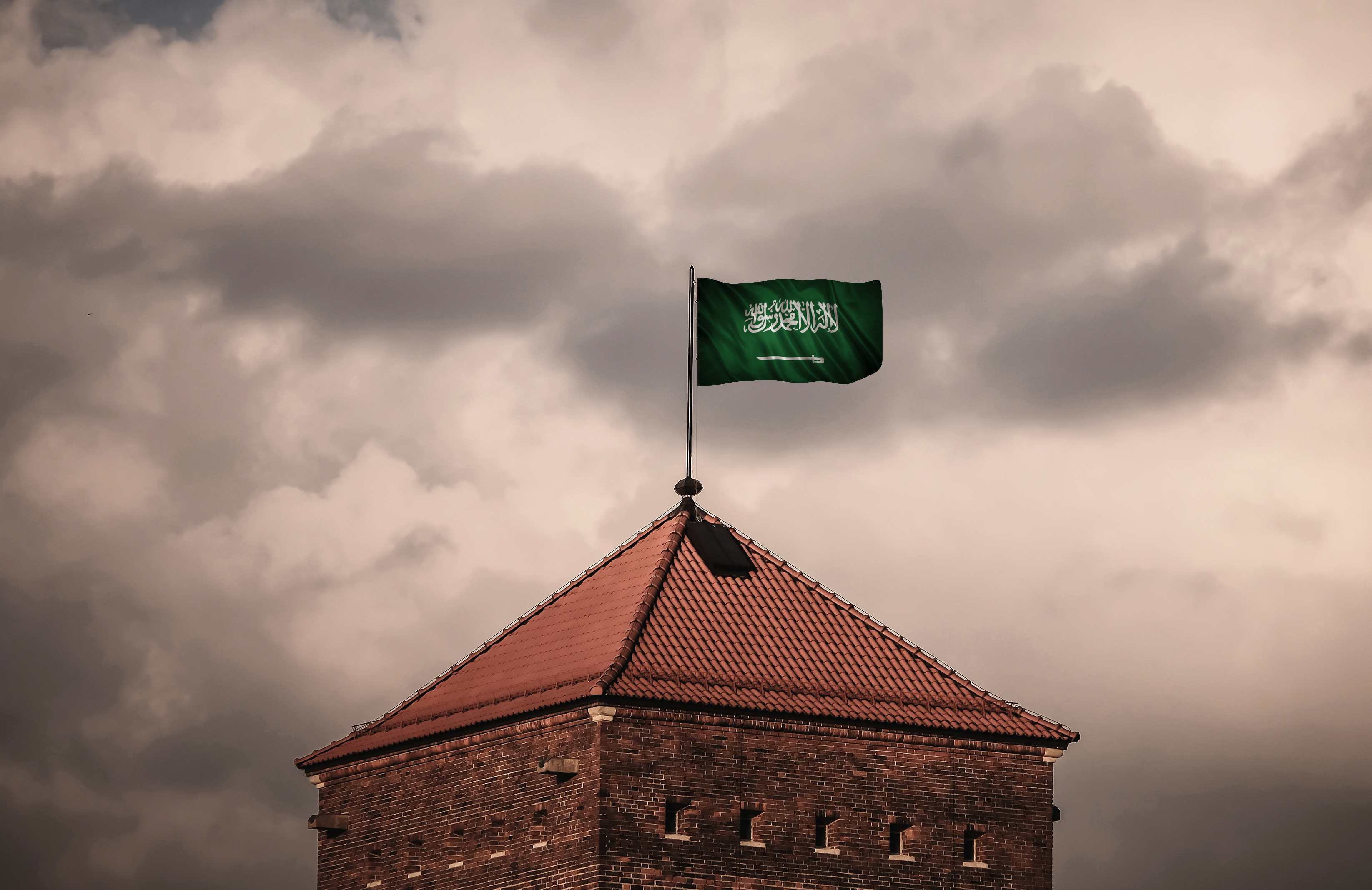
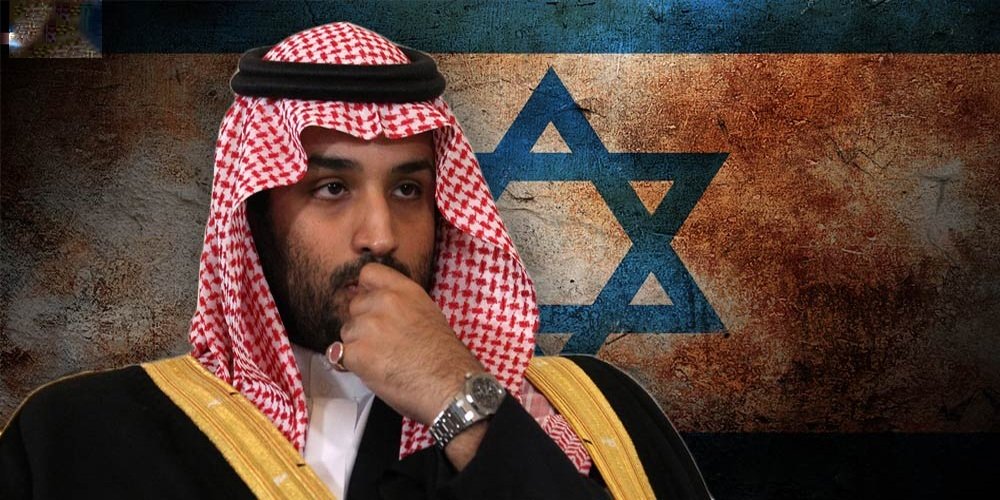
Now, the covert relationship that Israel has with Saudi Arabia and the Gulf states is no longer a secret.
Talking to Al-Monitor on condition of anonymity, a senior source in Israel said that following Eizenkot’s interview, “it is obvious that the relationship between Israel and Saudi Arabia will be made public in the long term. It may not be built on the Egyptian model of full peace. It may be more like ‘Moroccan-style,’ with the relationship kept on a low burner. It may not be official, but beneath the surface, it will flourish.”
Although Saudi officials remained silent on underhanded relations, their Israeli counterparts have made no efforts to hide that meetings between the two countries have taken place, with invitations for future visits.
Last week, Israeli Communications Minister Ayoub Kara invited Saudi’s Grand Mufti Abdul Aziz al-Sheikh to visit Israel, and two days later, Israel’s chief-of-staff Gadi Eizenkot gave the first-ever official interview to Saudi news outlet Elaph, saying that Israel is ready to share intelligence with Saudi Arabia on Iran.
The recent domestic upheaval in Saudi Arabia, which saw the arrest of princes, ministers and high-profile businessmen carried out by Crown Prince Mohammed bin Salman was seen as a sign to crush dissent under the banner of cracking down on corruption.
“The political changes in Saudi Arabia and the desire to consolidate power is the main reason why these relations with Israel were opened,” said Mahjoob Zweiri, an associate professor with the Gulf Studies Program department at Qatar University.
“These Arab states are motivated by the survival of their regimes, and that is what pushes them to the stronger state in the region,” he added. Khalil Shaheen, a political analyst based in the West Bank city of Ramallah. It is clear that Washington is playing in the convergence between two of its oldest and closest Mideast allies.
Days before Ibn Salman’s crushing of dissent, Jared Kushner — Trump’s son-in-law was in Saudi Arabia. He reportedly spent late nights talking with Prince Mohammed
As US power declines in Middle East, it is relying on it’s two proxies Israel and Saudi Arabia to balance Iran which has been strengthened following the Iraq war.
The recent events indicate the desperation of America in retaining hegemonic control of the Middle East and Saudi Arabia’s desperate attempts for regime survival.
Don’t forget to subscribe to our YouTube Channel
Support our content by becoming a KJ Patreon
https://www.patreon.com/kjvids
Sign up to our website and submit video suggestions:
www.kjvids.co.uk
Like our Facebook page for exclusive updates:
https://www.facebook.com/KJVids
Follow us on Twitter to be informed when we post:
https://twitter.com/kjvids2016
All Rights Reserved. Contact info@kjvids.co.uk if you are interested in licensing our content, advertising or working with us in other ways.