
Russia’s Geopolitical School
15 March 20191,120
Listen to this article
KJ narrates this report in his own voice

Listen to this article
KJ narrates this report in his own voice
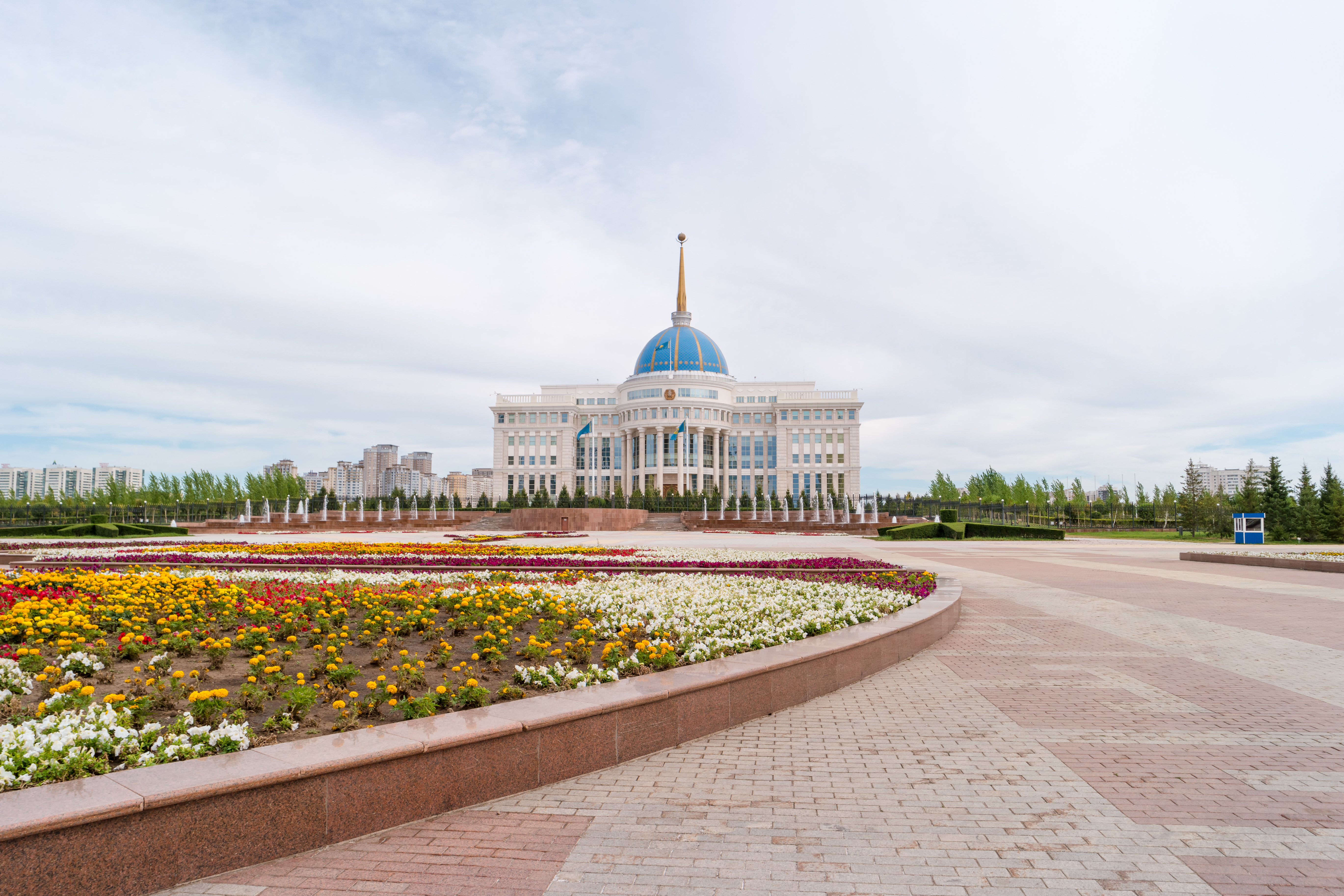
Central Asia is no longer a passive buffer zone. By leveraging the Trans-Caspian corridor and multi-vector diplomacy, Kazakhstan and its neighbours are turning their landlocked status into a strategic weapon against Moscow and Beijing.
15 Oct 2026
Poland’s massive rearmament and shift to an Atlanticist security model is breaking the EU’s traditional power balance. Warsaw is no longer a junior partner, but the new strategic centre of gravity in Europe.
7 Oct 2026
As German industrial output collapses under the weight of permanent energy scarcity, the traditional core of European power is fracturing. The resulting vacuum is forcing a structural shift in how the continent defends itself against the East.
5 Oct 2026
As Ukraine’s long-range capabilities render Crimea’s naval infrastructure untenable, Moscow faces a structural trap. The loss of Sevastopol does not invite peace; it necessitates a widening of the geographic conflict to preserve internal regime stability.
24 Sept 2026
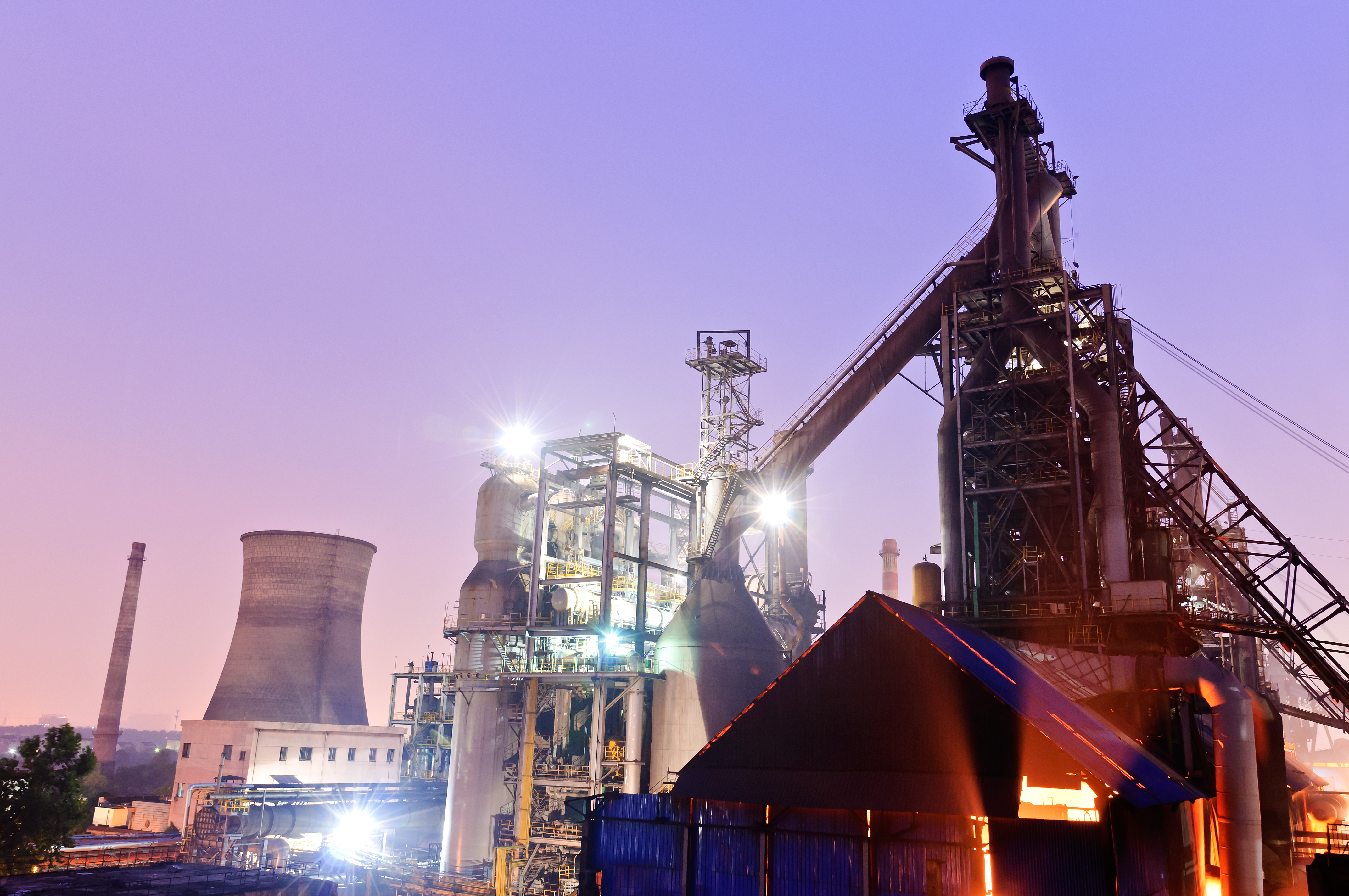
Russia’s war economy has reached a structural ceiling. With labour shortages and machine depreciation peaking, the Kremlin is shifting from territorial conquest to a long-term strategy of industrial preservation and frozen attrition.
23 Sept 2026

The arrival of North Korean combat divisions on the European front has fundamentally altered the Eurasian power balance. Moscow’s tactical reliance on Pyongyang’s manpower has created a permanent structural dependence that subordinates Russian defence policy to East Asian objectives.
16 Sept 2026