South Korea’s Air Force fired warning shots after Russian military aircrafts allegedly entered their airspace twice on Tuesday. South Korea says its jets fired flares and machine-gun warning shots when Russian planes intruded. South Korean F-15K and KF-16 fighter jets were scrambled after two Chinese and three Russian aircraft approached the ROK air defence identification zone (KADIZ) over the Sea of Japan on Tuesday morning.
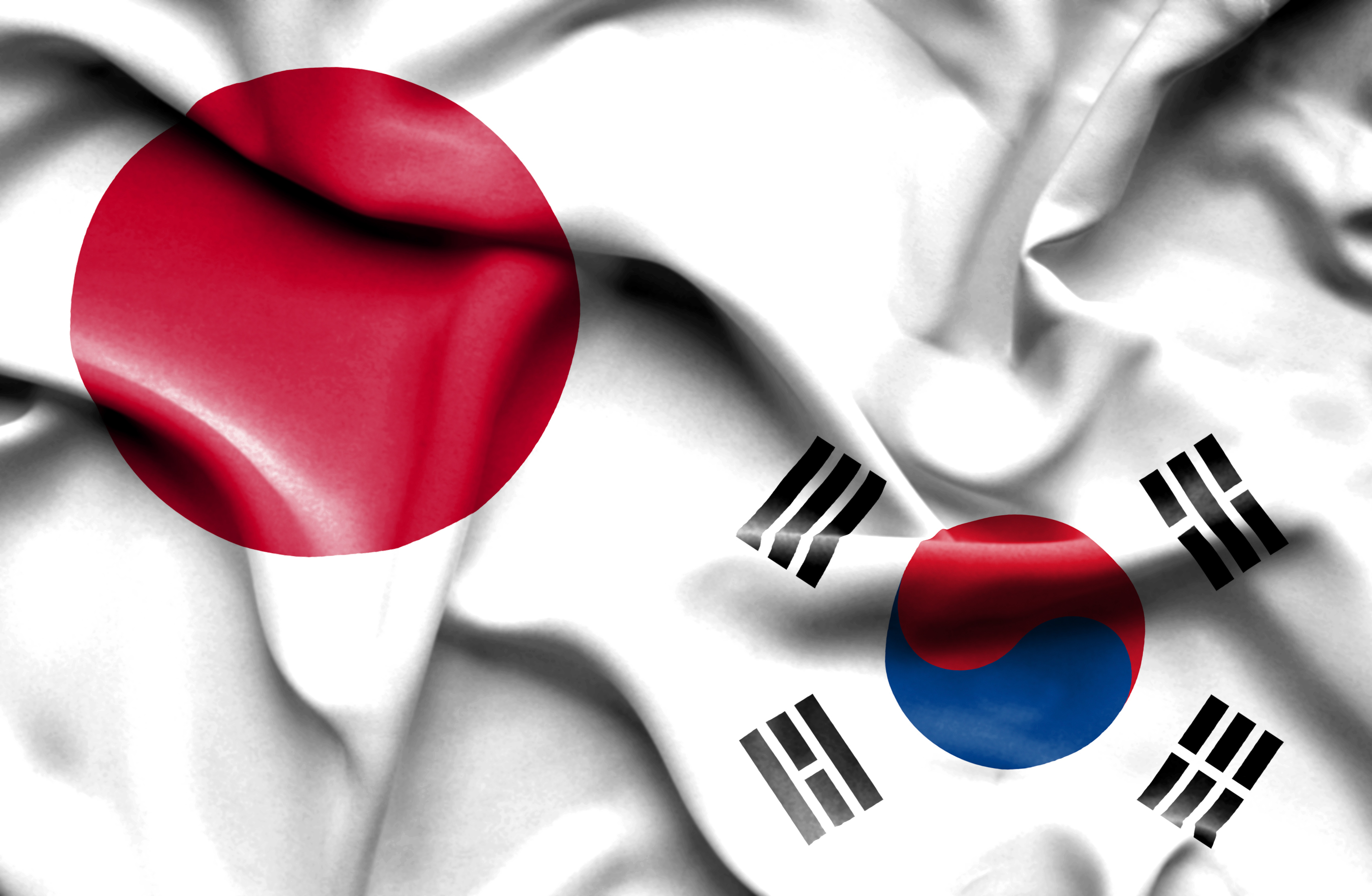
The alleged incursion happened over the disputed Dokdo/Takeshima islands, which are occupied by South Korea but also claimed by Japan. While the Chinese only entered KADIZ, one of the Russian aircraft allegedly flew too close to the islets of Dokdo and actually breached the S. Korean airspace twice for about three minutes, forcing the South Korean forces to fire “warning shots.”
The event was the result of a Russian-Chinese joint patrol, the first between the 2 superpowers. The Russian defence ministry saw nothing wrong with the mission, stating that two of its Tu-95MS strategic missile-carriers had joined two Chinese Hong-6K strategic bombers on the pre-planned route over “neutral waters”. Lt-Gen Sergei Kobylash released a televised statement saying that at one point the patrol became a “single airborne formation consisting of a line of pairs of planes flying within 3-4km [around two miles] of each other”.
The Russian also accused South Korean pilots of performing “dangerous manoeuvres” in the vicinity of disputed islands, “crossing paths with the aviation group and creating danger for the safety of the flight”, adding the phrase “hooliganism in the air”. Meanwhile, the head of South Korea’s National Security Office, Chung Eui-Yong saw this as an act of aggression stating, “We take a very grave view of this situation and, if it is repeated, we will take even stronger action”.
Additionally, the Japanese government has lodged a complaint against both Russia and South Korea, due to its claim to the islands and surrounding waters.
Geopolitical Context
This was the first joint patrol between Russia and China in the Asia Pacific region, which sends a powerful message of the development of a military relationship between the 2 nations. This is a reflection of the ever-closer economic and diplomatic ties between the two countries who, though they still have points of tension, are drawing ever closer together. This step towards the possible formation of a military alliance between China and Russia presents a large challenge to the US and their position as a leading military power. Furthermore, South Korea and Japan are both close US allies, hence any further provocation from Russia could lead to action from the US.
The comments released by the Russian defence ministry do not appear to show any remorse, and another violation of South Korean airspace could very well occur. This could lead to an aggressive response from Korea and even force the US to shift its focus from the Persian Gulf to the Asian Pacific. It remains to be seen whether Russia and China will continue their joint military operations.
UPDATE
The story has taken another twist, as a Russian official displayed “deep regret” to the defence ministry, and said that the intrusion was the result of a technical glitch on one of the Russian planes. However, the South Korean defence ministry has called this a contradiction, as earlier on Wednesday, they received a message from Moscow confirming earlier claims of no violation and unhappy with the Korean response. It appears like Russia is taking a step back to de-escalate but we cannot be sure, due to the contradiction underlined by South Korea.
Watch Geopolitical ReportsIn-depth analyses
Authoritarians Fool the World, But for How Long?
- Global Trends
- International Studies

How much money does Saudi Arabia make from Hajj?
- Global Trends
Russia and OPEC get closer
- Political Analyses
The History of Uyghur Muslims
- History

Is China a catalyst for Transatlantic Relations?
- Geopolitical Reports

The Geopolitics of Ethiopia
- Geopolitical Reports