KJ ReportsKJ Reports

Ramadhan in Burma

3 June 2017759

Listen to this article

KJ narrates this report in his own voice

Ramadhan in Burma

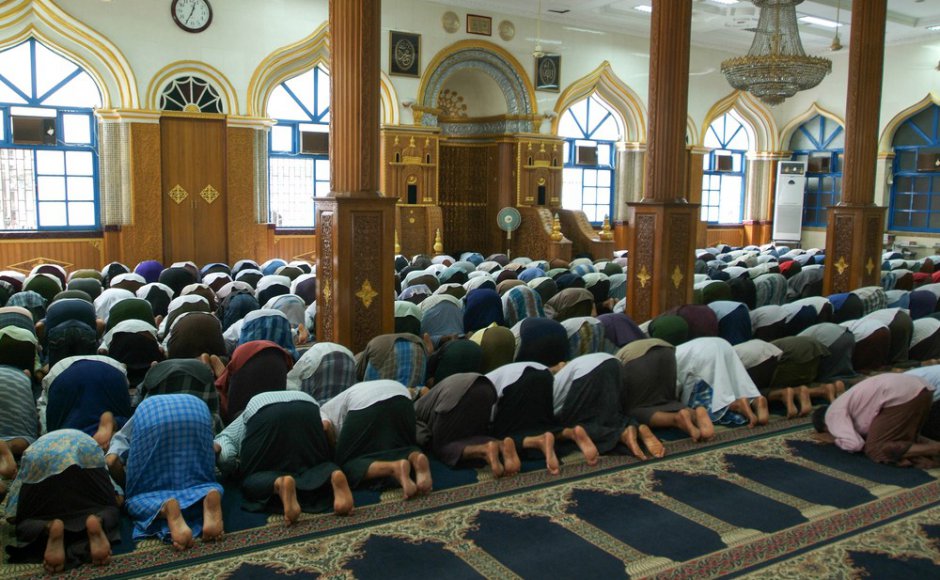
On 26th May 2017, on the eve of Ramadan, Human Rights Watch reported that two Islamic schools, or madrassas, were chained shut in the Thaketa Township in Rangoon after a Buddhist ultranationalist mob pressured authorities to close them. The schools have not been allowed to reopen and some fear they will suffer the fate of other madrassas shut by the authorities, and stay closed.

This is just a small fraction of the pressure facing the Muslim community in Burma, but it is felt acutely. As Muslim minority communities increase, they have fewer places to pray. The Burmese population is 90 percent Buddhist, with the percentage of Muslims estimated to be in the lower single digits.

Although Buddhist ultranationalists have, in the past, pressured madrassas not to allow people in for prayers, Muslims in Thaketa Township told me that for several years they’ve received permission to pray there during Ramadan. Now they have no such option and are faced with crowded mosques – the closest is a 30-minute walk away – and staggered prayer sessions.
#burma#burma-muslims#burmese-muslims#muslims-in-burma#ragoon-burma#rakhine-state-violence#rohingya-burma#rohingya-muslims

Related Intelligence

More articles
The Bismarckian Pivot: India’s German Deep-Tech Realignment
South Asia

The Bismarckian Pivot: India’s German Deep-Tech Realignment

As New Delhi systematically decouples from its legacy Russian military dependency, a new strategic architecture is emerging. Berlin is no longer just a trading partner; it is becoming India’s primary engine for industrial sovereignty.

17 Jun 2026

The Islamabad Pivot: Trading Strategic Depth for Economic Survival
South Asia

The Islamabad Pivot: Trading Strategic Depth for Economic Survival

Pakistan is discarding decades of military doctrine to position itself as the vital gateway for Central Asian trade. As domestic pressures mount, Islamabad is prioritising economic rent and connectivity over traditional territorial security.

15 Jun 2026

The Liquid Front: Why South Asian Security Rests on Melting Ice
South Asia

The Liquid Front: Why South Asian Security Rests on Melting Ice

As domestic pressures and climate shifts accelerate, the Indus and Brahmaputra river basins are no longer mere sources of life, but strategic assets being weaponised in a zero-sum game between nuclear powers.

1 Oct 2025

The New Delhi Pivot: Why Strategic Autonomy Survives the Great Split
South Asia

The New Delhi Pivot: Why Strategic Autonomy Survives the Great Split

India is defying the binary logic of the new Cold War. By leveraging Russian energy and American technology, New Delhi is transforming its non-alignment legacy into a sophisticated multi-aligned leverage play that few in the West fully comprehend.

1 Jun 2025

The Garrison State: Pakistan’s Invisible Constitution
South Asia

The Garrison State: Pakistan’s Invisible Constitution

As Islamabad faces a debt ceiling and internal unrest, the facade of civilian governance is thinning. Real power in Pakistan does not reside in Parliament, but in the institutional incentives of the General Headquarters in Rawalpindi.

1 Feb 2025

The Tiger’s Cage: The Structural Fragility of the Bangladesh Model
South Asia

The Tiger’s Cage: The Structural Fragility of the Bangladesh Model

Bangladesh transformed from a basket case into an export powerhouse through an unspoken social contract. As that contract dissolves, the state faces a reckoning between its industrial success and its institutional decay.

1 Oct 2024