KJ ReportsKJ Reports

Pakistan Oil Tanker Inferno in Pictures

25 June 2017719

Listen to this article

KJ narrates this report in his own voice
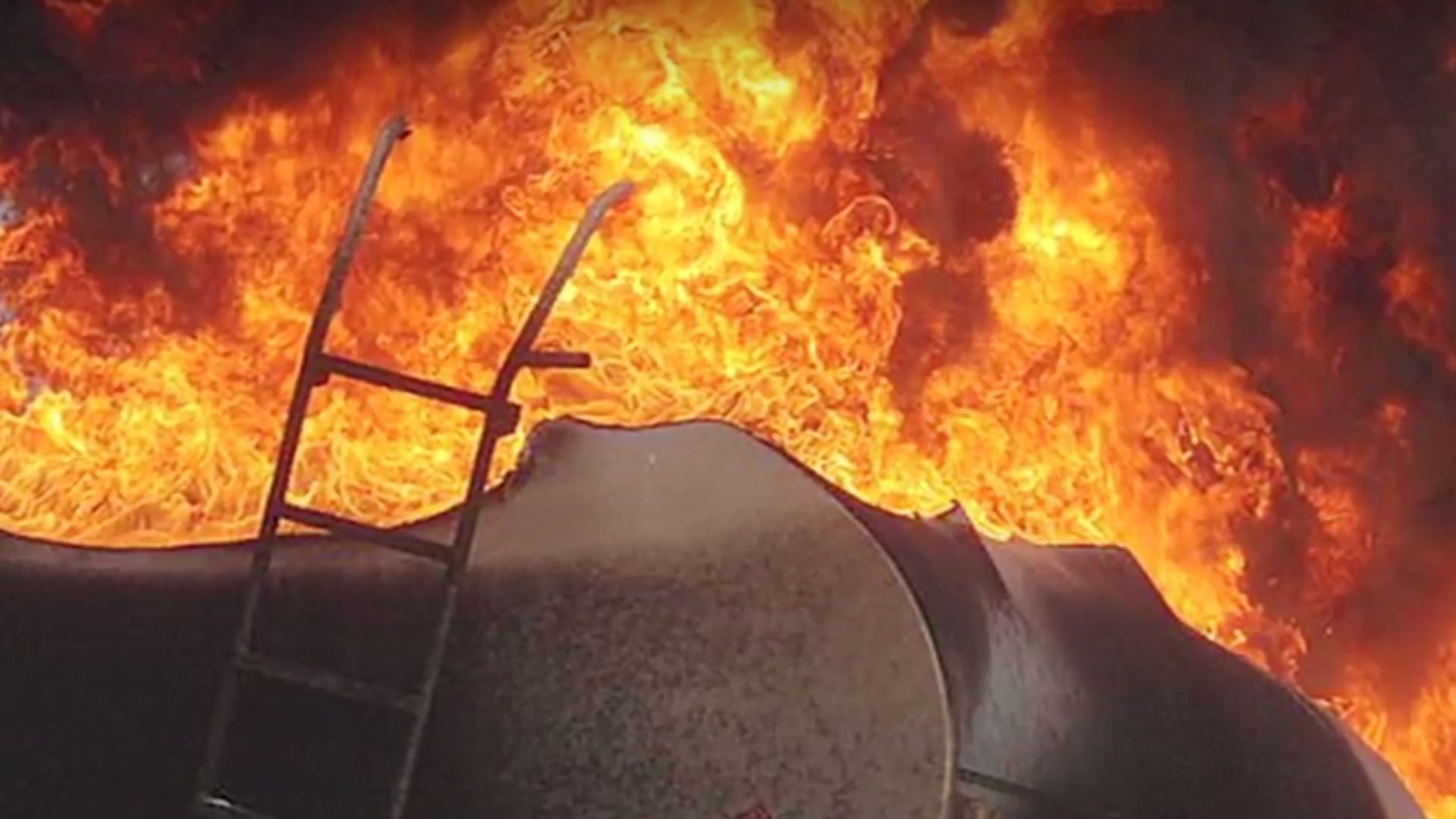
Pakistan Oil Tanker Inferno in Pictures
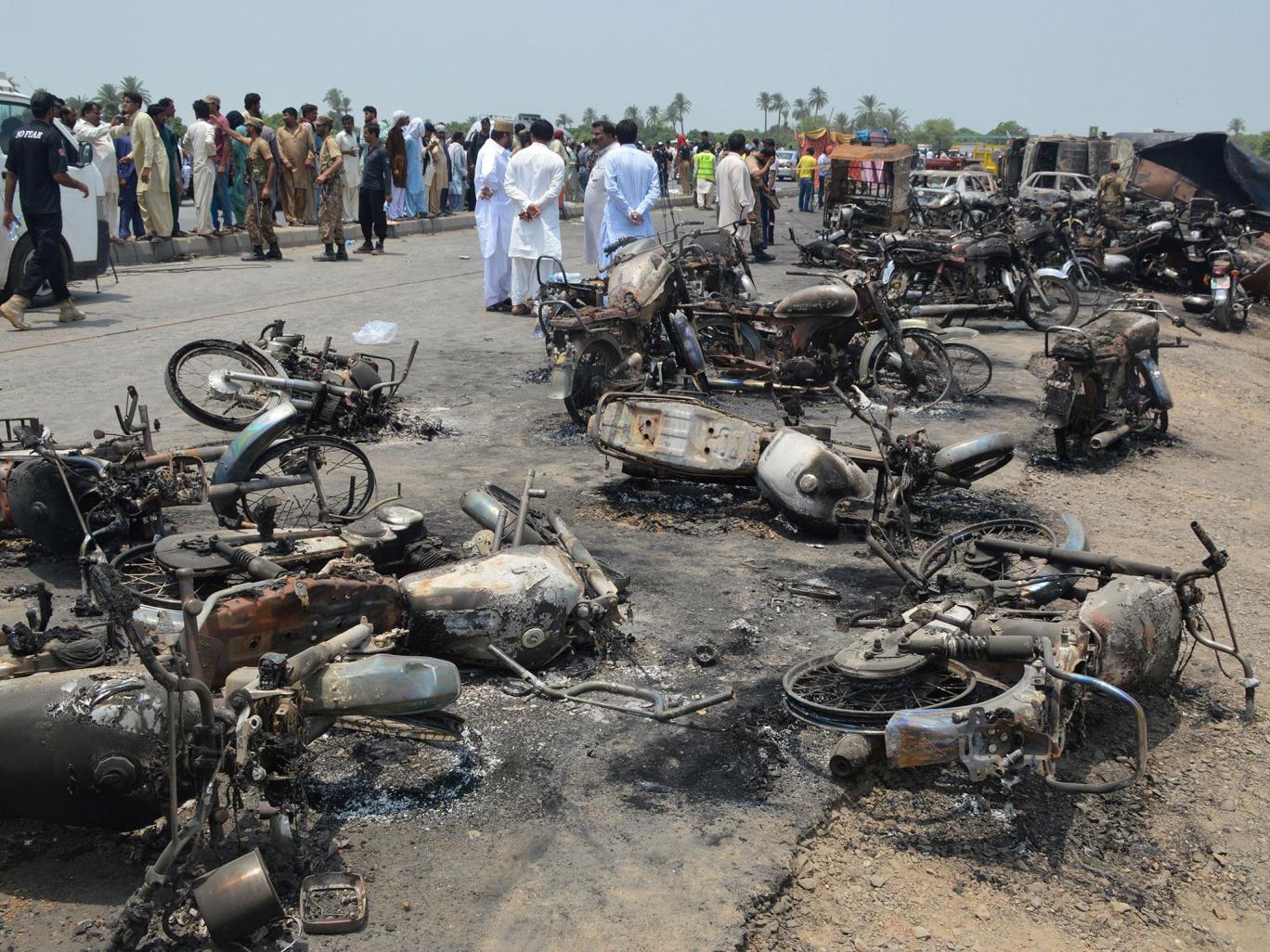
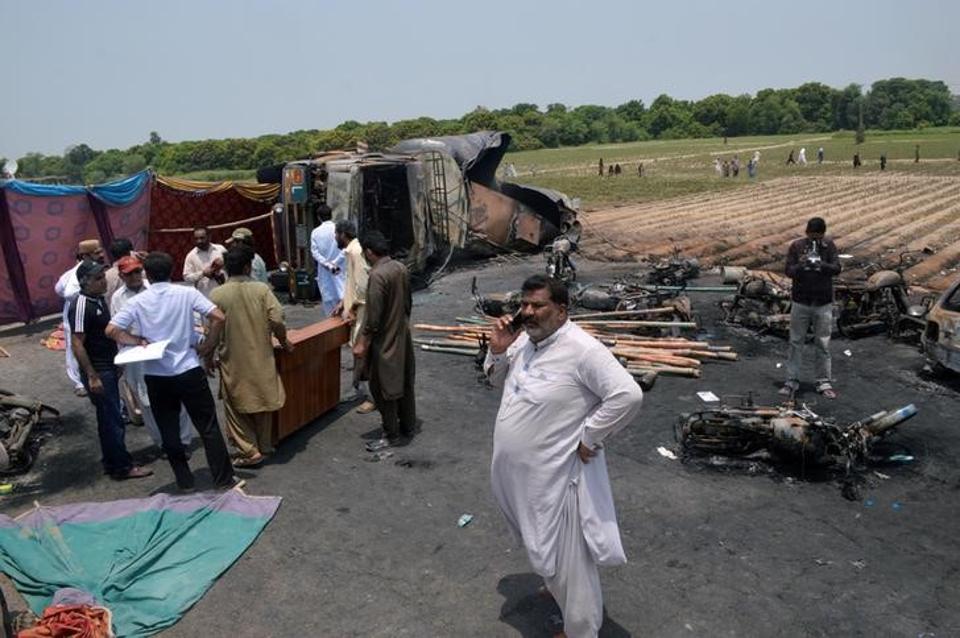
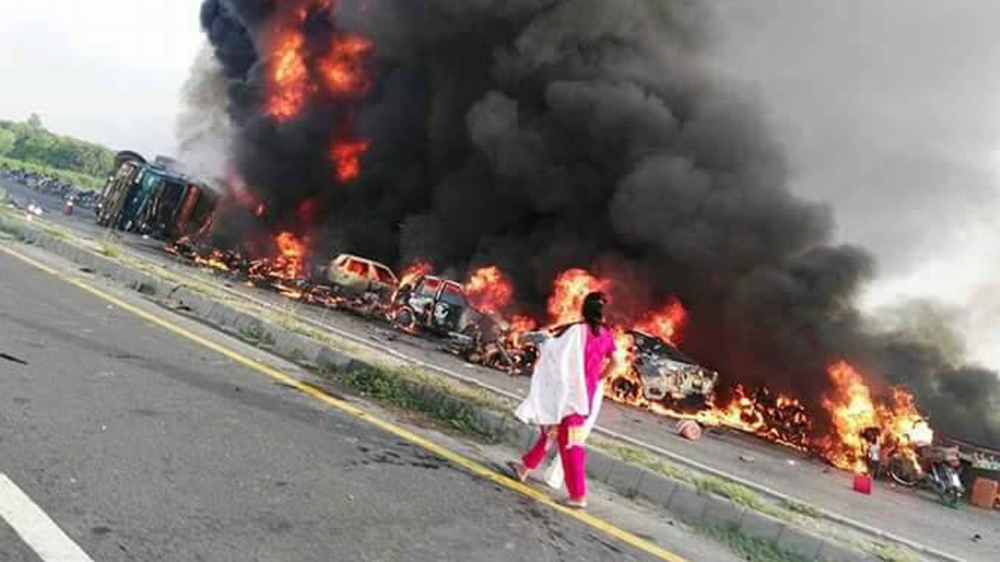
People gather behind burnt motorcycles and vehicles at the scene of an Oil tanker accident on the outskirts of Bahawalpur, Pakistan EPA/FAISAL KAREEM
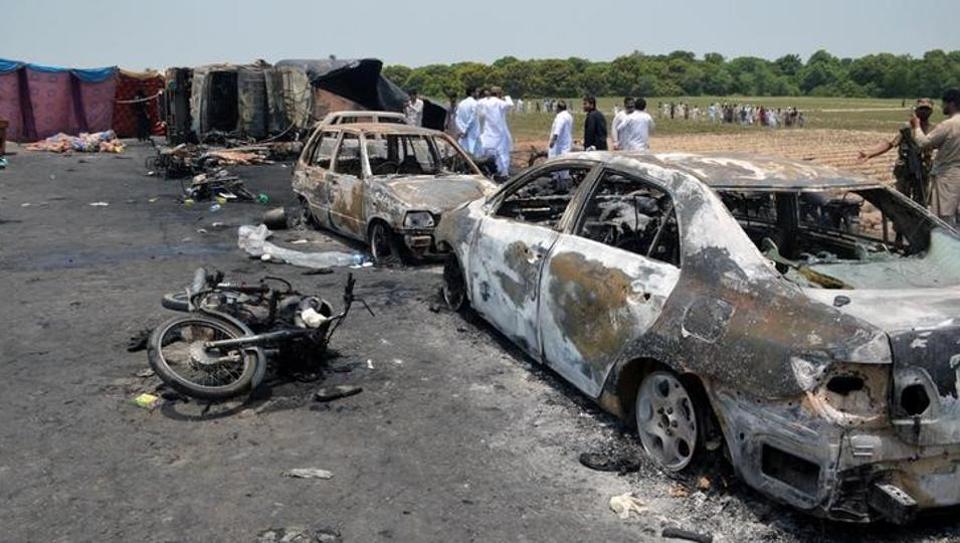
Burnt cars and motorcycles at the scene of an oil tanker explosion in Bahawalpur in Pakistan. (REUTERS)
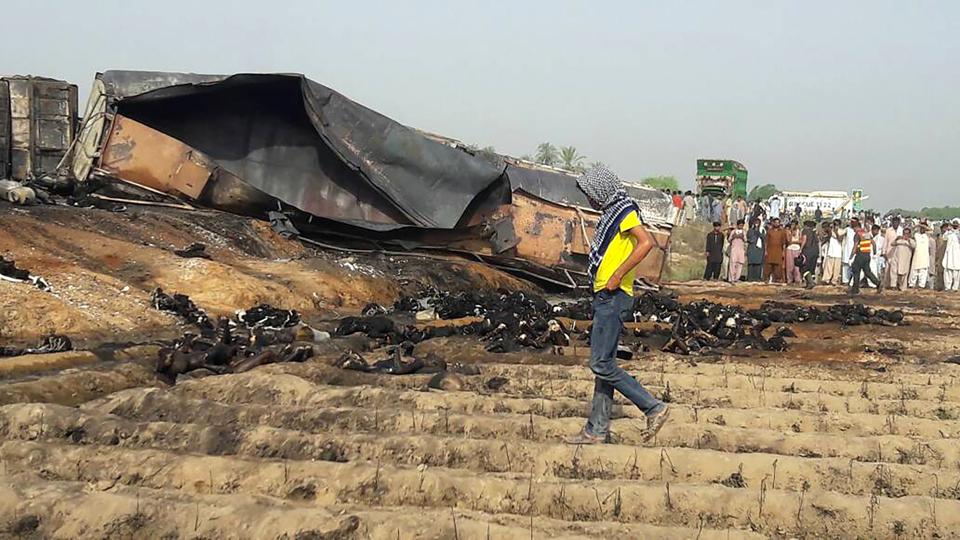
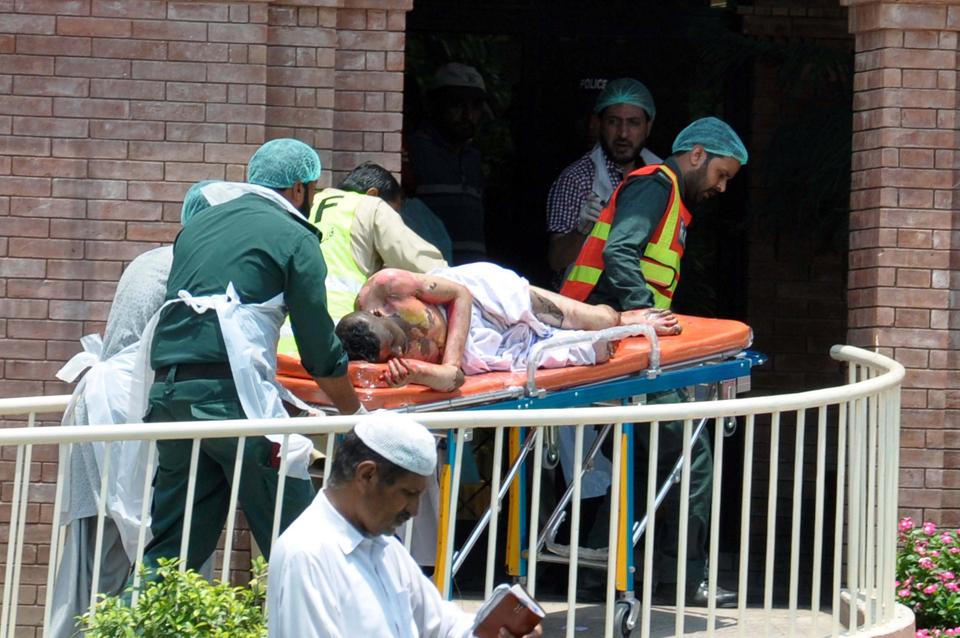
(Note — Graphic content) Local residents look at burnt bodies after an oil tanker caught fire following an accident on a highway near Ahmedpur East, some 670 km from Islamabad. (AFP)
The scene of the oil tanker explosion in Bahawalpur in Pakistan. (REUTERS)
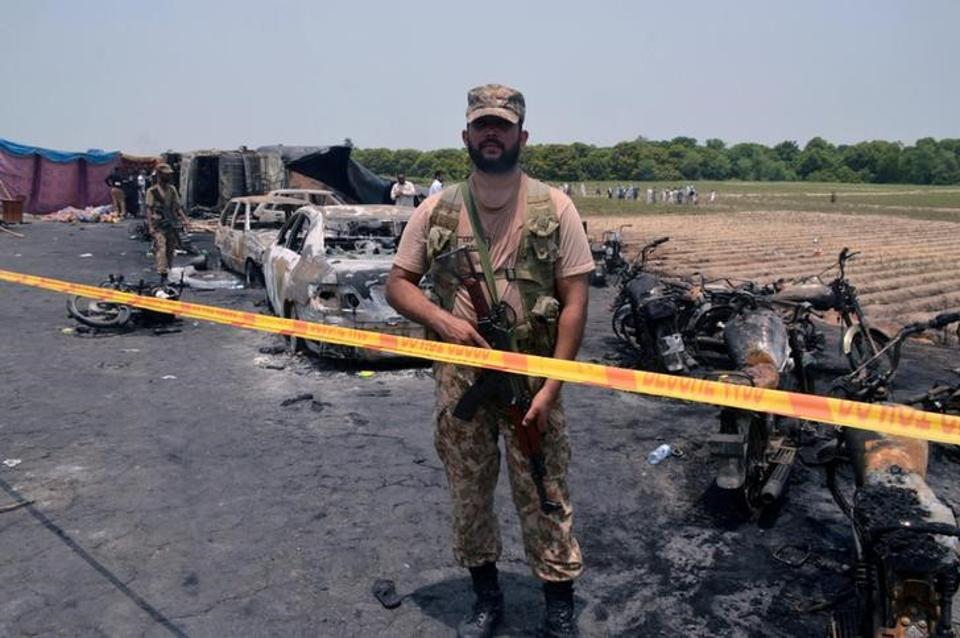
A soldier stands guard at the scene of the oil tanker explosion in Bahawalpur in Pakistan. (REUTERS)
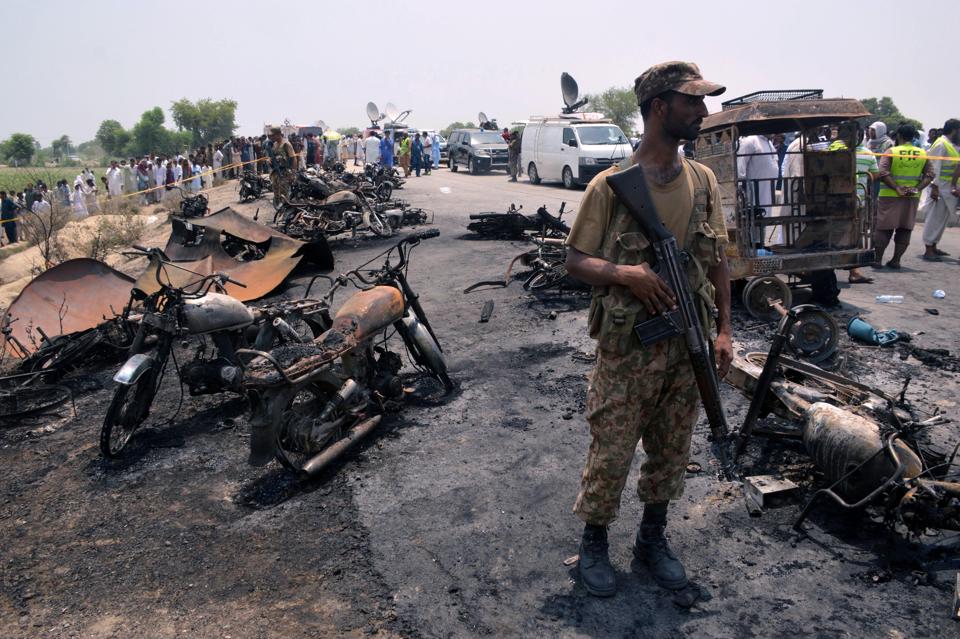
A soldier stands guard amid burnt out cars and motorcycles at the scene of the oil tanker explosion in Bahawalpur in Pakistan. (REUTERS)
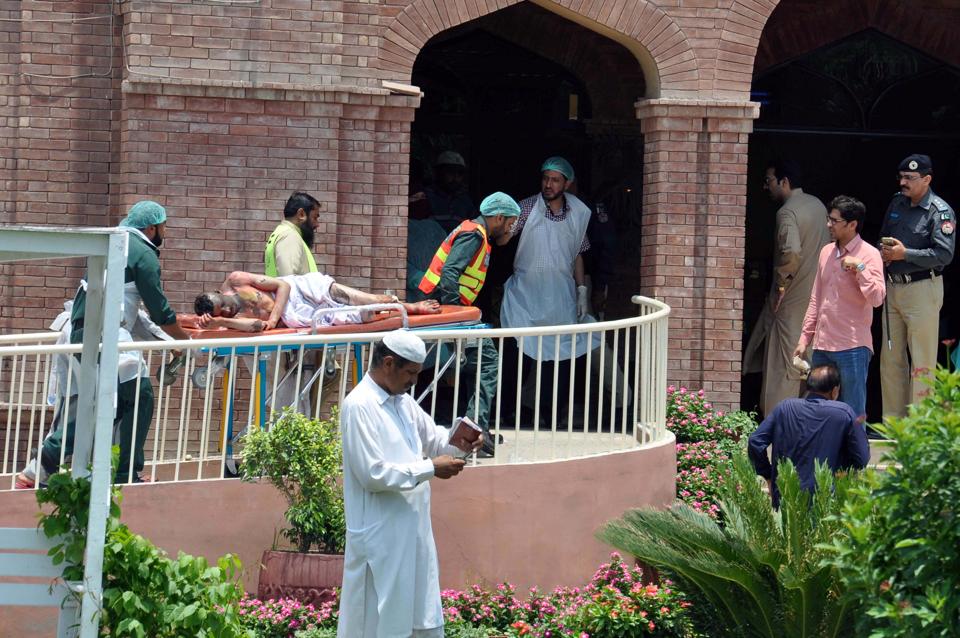
(Note – Graphic content) Hospital workers carry victims of the oil tanker explosion in Bahawalpur in Pakistan. (REUTERS)
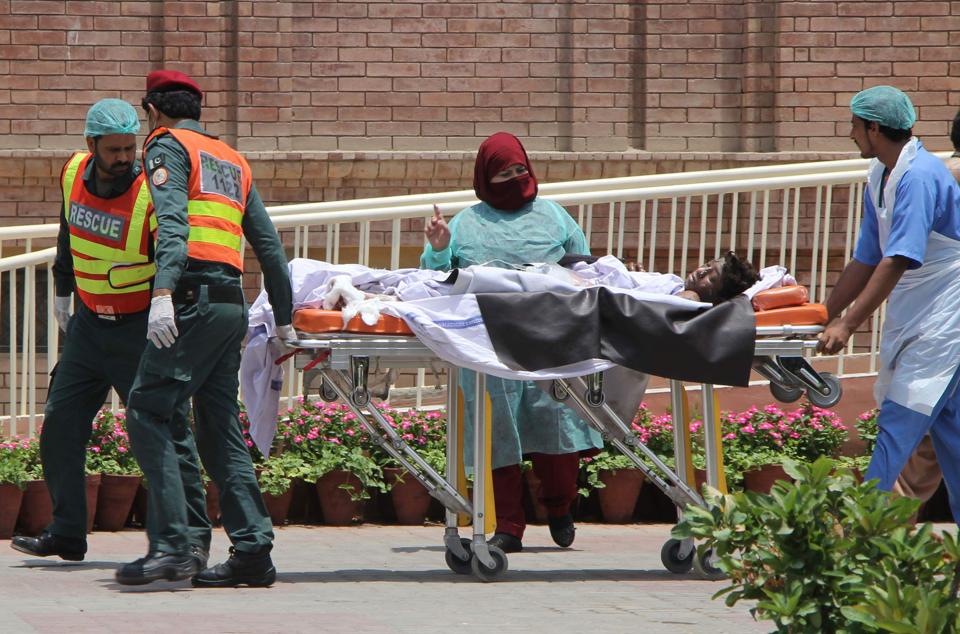
(Note – Graphic content) Rescue workers and paramedics bring a burns victim injured after the oil tanker fire. (AFP)

Charred wreckage of motorcycles and cars lay scattered on the national highway [Shazia Bhatti/Al Jazeera]
https://www.youtube.com/watch?v=q3bJ4eBDSX4

#pakistan-accident#pakistan-oil-tanker

Related Intelligence

More articles
The Durand Fracture: The End of Pakistan’s Strategic Depth
South Asia

The Durand Fracture: The End of Pakistan’s Strategic Depth

Islamabad’s recent cross-border strikes into Afghanistan mark the final collapse of a forty-year geopolitical gambit. As the Taliban defies its former patron, Pakistan faces a blowback that redefines the South Asian security landscape.

24 Sept 2026
The Anwar Pivot: Why Malaysia is Neutralising the Indo-Pacific
South Asia

The Anwar Pivot: Why Malaysia is Neutralising the Indo-Pacific

Kuala Lumpur’s formal integration into BRICS represents a calculated structural shift. By diversifying its strategic dependencies, Malaysia is dismantling the Western assumption that Southeast Asia must choose between security and prosperity.

19 Sept 2026

The New Delhi Pendulum: Navigating the Bipolar Trap
South Asia

The New Delhi Pendulum: Navigating the Bipolar Trap

As Washington and Beijing harden their spheres of influence, India is refining a strategy of 'strategic autonomy'. By refusing to choose sides, New Delhi is leveraging its geography to become the world’s indispensable swing state.

14 Sept 2026
The Caracas-Delhi Bridge: India Ends the US Sanctions Paradigm
South Asia

The Caracas-Delhi Bridge: India Ends the US Sanctions Paradigm

New Delhi’s massive crude deals with Caracas signal more than just energy procurement. They mark the definitive collapse of the US oil embargo as a functional tool of Western statecraft in a multipolar energy market.

9 Sept 2026

The Durand Fracture: Why Islamabad and Kabul Have Reached a Dead End
South Asia

The Durand Fracture: Why Islamabad and Kabul Have Reached a Dead End

Pakistan’s decades-long pursuit of ‘strategic depth’ in Afghanistan has collapsed into a structural rivalry. Internal economic decay and shifting militant loyalties are now forcing a permanent divorce between former patrons and their proxies.

29 Aug 2026

The Anatolia-Indus Axis: A New Security Core Outside the West
South Asia

The Anatolia-Indus Axis: A New Security Core Outside the West

The formalisation of the Riyadh-Ankara-Islamabad defence triangle marks the collapse of post-1945 security norms. It is a strategic pivot driven by sovereign survival, technological parity, and the death of Western reliability.

20 Aug 2026