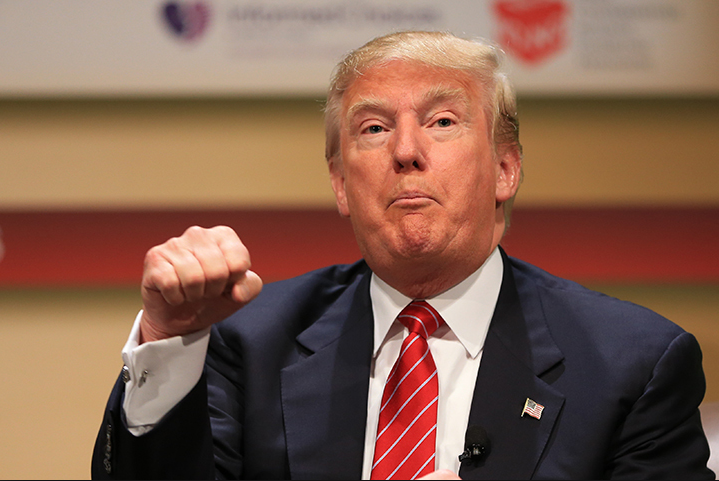

WASHINGTON: US President Donald Trump, while unveiling his new national security strategy, reminded Pakistan that it’s obliged to help America because it receives “massive payments” from Washington every year.
“We have made clear to Pakistan that while we desire continued partnership, we must see decisive action against terrorist groups operating on their territory. And we make massive payments every year to Pakistan. They have to help,” said the president while addressing his nation from the Ronald Reagan building in Washington.
This was the only reference to Pakistan in his speech, although the 56-page document that he released deals with it in more details, urging Pakistan to “continue demonstrating that it is a responsible steward of its nuclear assets”.
The policy paper also says that “the United States continues to face threats from transnational terrorists and militants operating from within Pakistan”.
The new strategy, however, focuses more on the domestic front and identifies two “greatest transnational threats” to homeland security: Jihadist terrorists and international criminal organisations.
And to prevent jihadists from entering the United States, it suggests tightening America’s immigration system by ending lottery visas and chain migration, which allows family members of a US citizen to settle in the country.
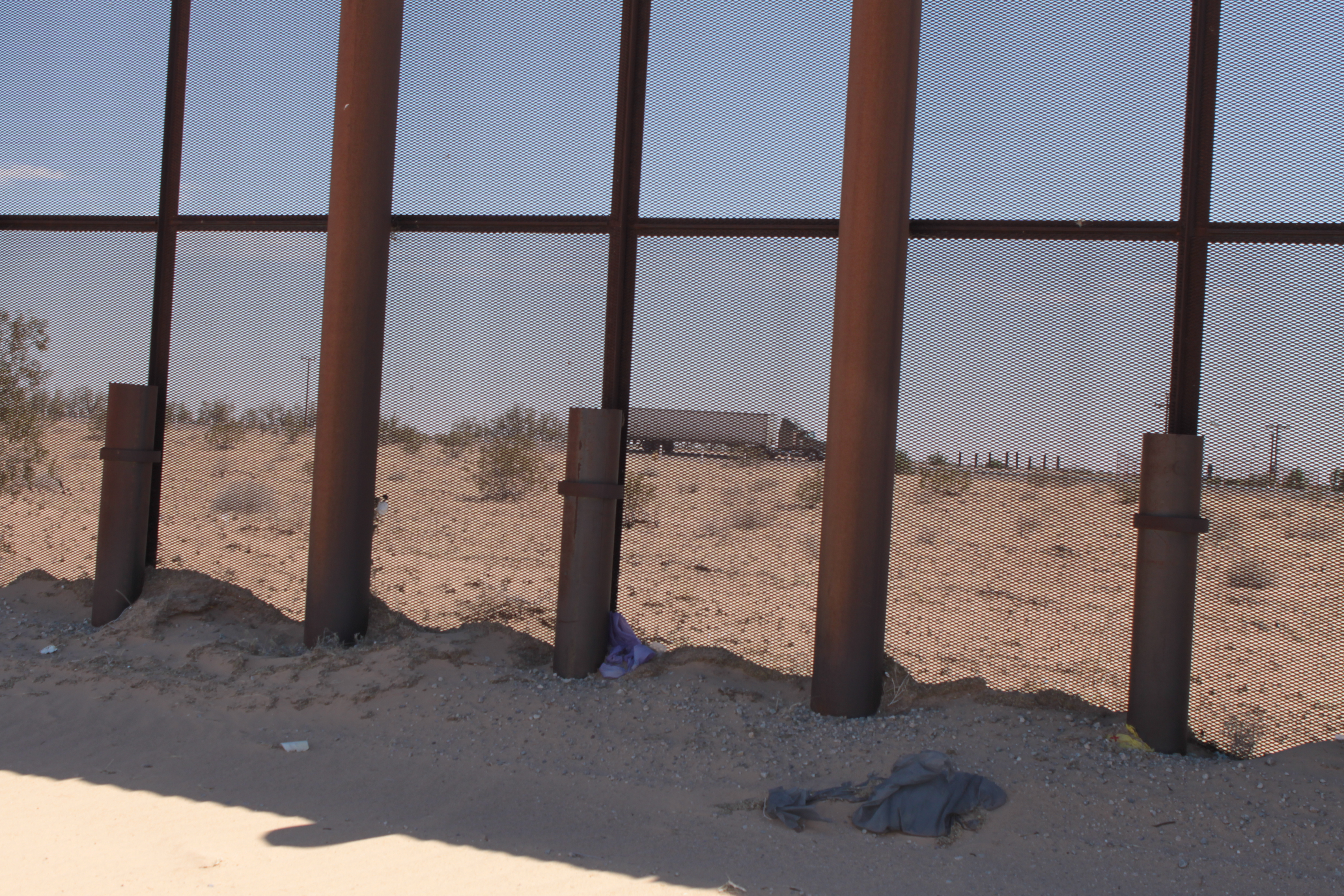
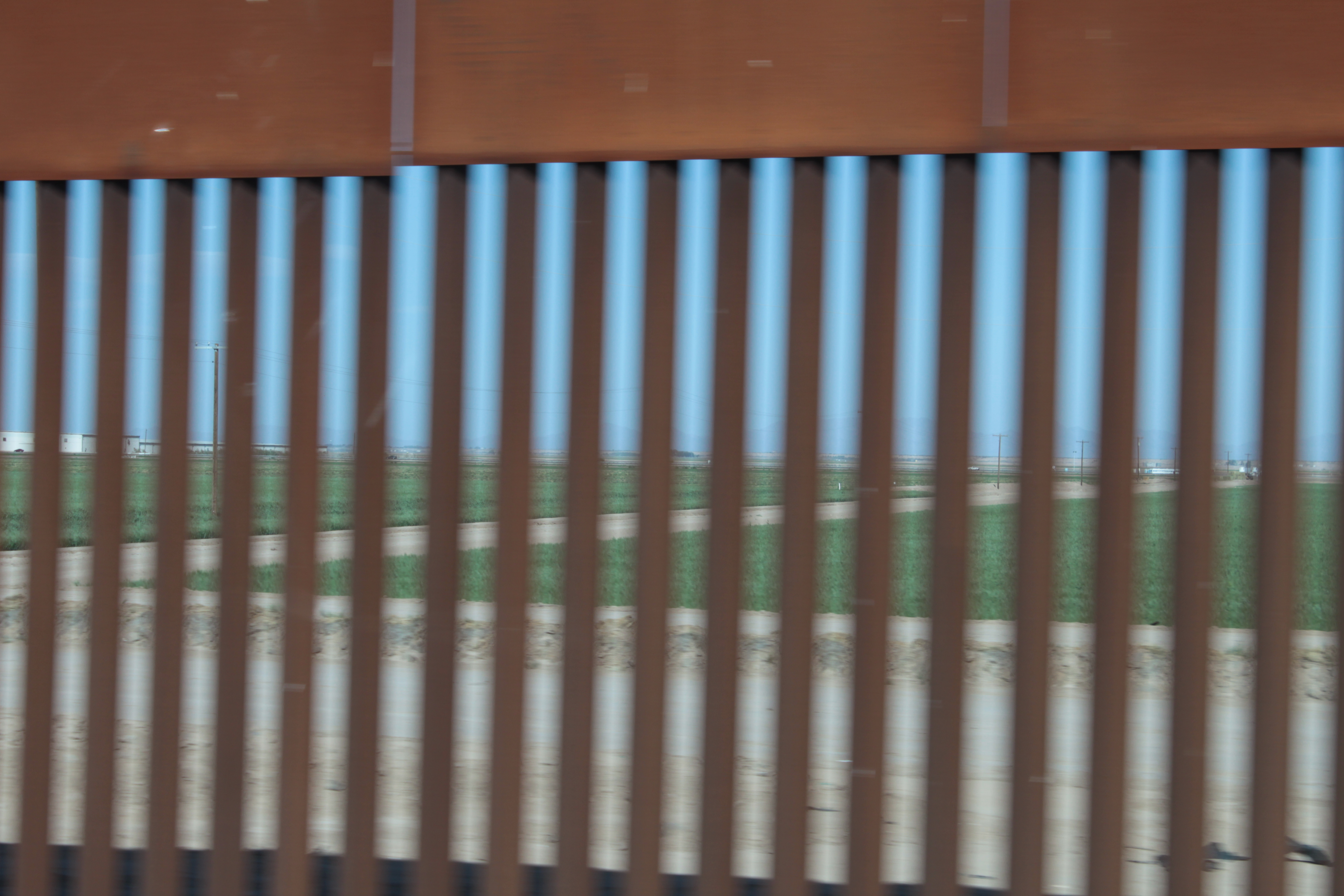
The plan also reinforces President Trump’s pledge to build a wall on the US border with Mexico to prevent illegal immigrants from entering the United States.
The paper says that the jihadist use “barbaric cruelty to commit murder, repression, and slavery, and virtual networks to exploit vulnerable populations and inspire and direct plots”.
The strategy identifies four vital national interests, or “four pillars” as:
Protect the homeland, the American people, and American way of life; Promote American prosperity; Preserve peace through strength; Advance American influence.
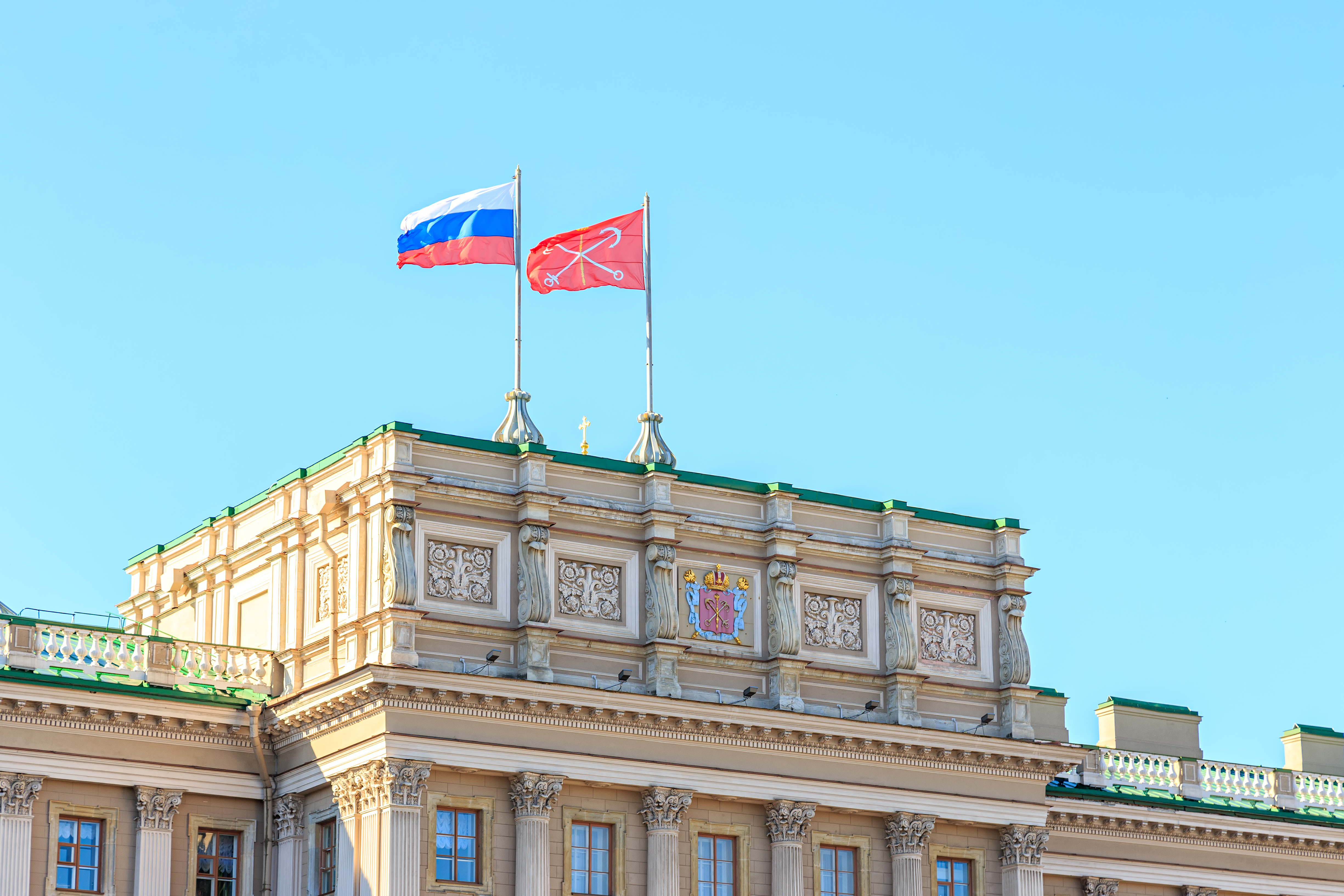
Top on the list of external threats are “revisionist powers”, such as China and Russia, that “use technology, propaganda, and coercion to shape a world antithetical to our interests and values”.
Regional dictators are the next because they “spread terror, threaten their neighbours, and pursue weapons of mass destruction”.
Then come the jihadist terrorists who “foment hatred to incite violence against innocents in the name of a wicked ideology”.
Transnational criminal organisations, last on the list, are blamed for spilling “drugs and violence into our communities”.
The White House says that the strategy articulates and advances the President Trump’s concept of “principled realism” and acknowledges the central role of power in international politics.
The domestic part of the new policy suggests targeting threats at their source: confront them “before they ever reach our borders or cause harm to our people”.
It promises to redouble efforts to protect critical US infrastructure and digital networks and also underlines the plan to deploy a “layered missile defence system to defend America against missile attacks”.
The new strategy says that America will use its energy dominance to ensure international markets remain open, and that the benefits of diversification and energy access promote economic and national security.
It promises to rebuild America’s military strength to ensure it remains second to none. It also urges US allies and partners to take greater responsibility for addressing common threats.
“We will ensure the balance of power remains in America’s favour in key regions of the world: the Indo-Pacific, Europe, and the Middle East,” it declares.
The new strategy says that America must continue to enhance its influence overseas to protect the American people and promote their prosperity.
It says that America will seek partnerships with like-minded states to promote free market economies, private sector growth, political stability and peace.
Published in Dawn, December 20th, 2017