KJ ReportsKJ Reports

Deadly Cyclone Mora hits Bangladesh in Pictures

30 May 2017807

Listen to this article

KJ narrates this report in his own voice

Deadly Cyclone Mora hits Bangladesh in Pictures

A deadly Cyclone Mora has hit the south-eastern coast of Bangladesh, killing at least five people. Most of them were killed by falling trees in the districts of Cox’s Bazar and Rangamati, officials told the BBC. Hundreds of houses were fully or partly damaged, the officials said. Significant damage is reported in refugee camps housing Rohingya Muslims from neighbouring Myanmar. The authorities have moved hundreds of thousands of people to shelters.
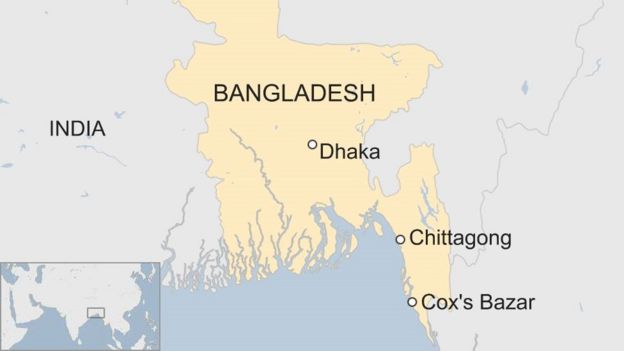
Map showing Chittagong and Cox's Bazar in Bangladesh

Source: bbc.co.uk

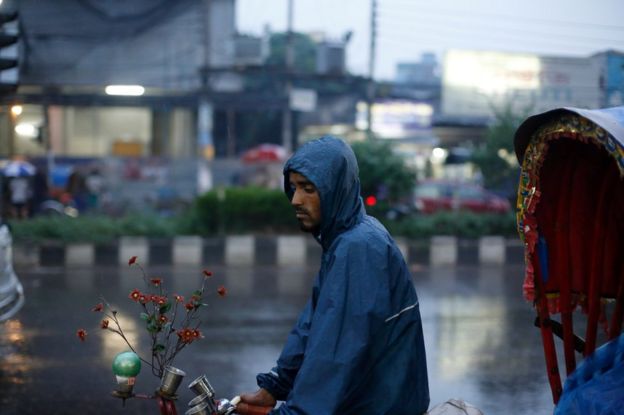
A rickshaw puller waits for passengers during rainy weather in the streets in Dhaka, Bangladesh, 29 May 2017.

source: bbc.co.uk

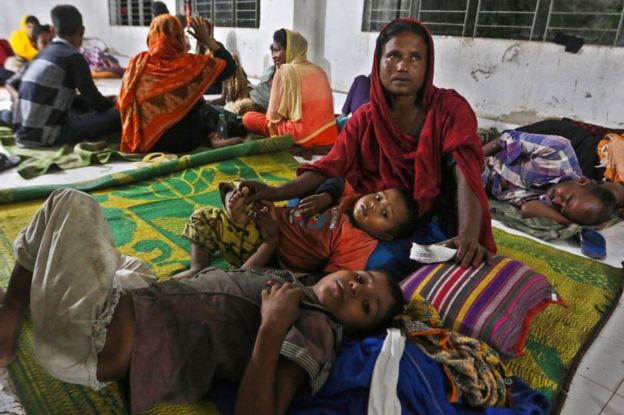
Bangladeshi villagers take refuge in a cyclone shelter following an evacuation by authorities in the coastal villages of the Cox's Bazar district on 29 May 2017.

source: bbc.co.uk

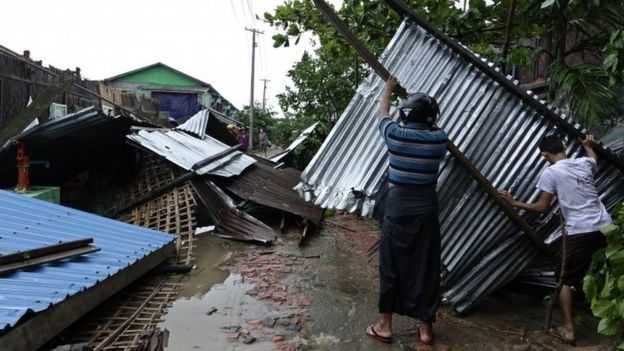
People clear debris from their house in Sittwe, Rakhine State, western Myanmar. Photo: 30 May 2017

source: bbc.co.uk

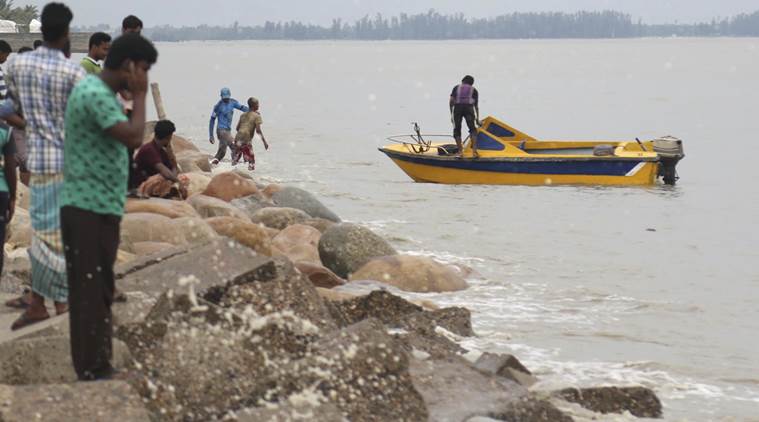
cyclone mora, mora in bangladesh, cyclone in bangladesh

source: indianexpress.com

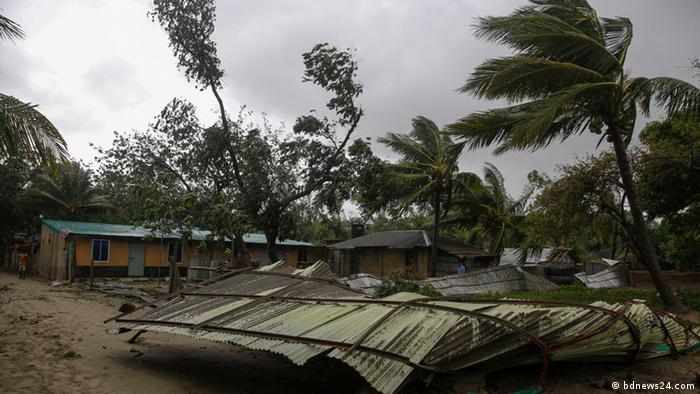
Bangladesch Zyklon Mora (bdnews24.com)

A man stands beneath an umbrella beneath felled trees

hindustantimes.com

#bangladesh#chittagong#cox-s-bazar#cyclone#cyclone-mora#dhaka#south-asia

Related Intelligence

More articles
The Liquid Front: Why South Asian Security Rests on Melting Ice
South Asia

The Liquid Front: Why South Asian Security Rests on Melting Ice

As domestic pressures and climate shifts accelerate, the Indus and Brahmaputra river basins are no longer mere sources of life, but strategic assets being weaponised in a zero-sum game between nuclear powers.

1 Oct 2025

The New Delhi Pivot: Why Strategic Autonomy Survives the Great Split
South Asia

The New Delhi Pivot: Why Strategic Autonomy Survives the Great Split

India is defying the binary logic of the new Cold War. By leveraging Russian energy and American technology, New Delhi is transforming its non-alignment legacy into a sophisticated multi-aligned leverage play that few in the West fully comprehend.

1 Jun 2025

The Garrison State: Pakistan’s Invisible Constitution
South Asia

The Garrison State: Pakistan’s Invisible Constitution

As Islamabad faces a debt ceiling and internal unrest, the facade of civilian governance is thinning. Real power in Pakistan does not reside in Parliament, but in the institutional incentives of the General Headquarters in Rawalpindi.

1 Feb 2025

The Tiger’s Cage: The Structural Fragility of the Bangladesh Model
South Asia

The Tiger’s Cage: The Structural Fragility of the Bangladesh Model

Bangladesh transformed from a basket case into an export powerhouse through an unspoken social contract. As that contract dissolves, the state faces a reckoning between its industrial success and its institutional decay.

1 Oct 2024

The Frozen Impasse: Why the Himalayan Standoff is Now Permanent
South Asia

The Frozen Impasse: Why the Himalayan Standoff is Now Permanent

The border dispute between New Delhi and Beijing is no longer a tactical rift. It is a structural transformation of Asian security, forcing India into an irreversible westward pivot while stretching Chinese logistics to their limit.

1 Jun 2024

The Hermit Emirate: Why the Taliban Cannot Build a Modern State
South Asia

The Hermit Emirate: Why the Taliban Cannot Build a Modern State

Despite securing its borders and suppressing internal rivals, the Taliban faces an existential paradox: the very ideological purity that won the war now prevents them from governing a functioning economy or achieving sovereign legitimacy.

1 Feb 2024