Russia opens gas pipeline to China in a sign of warming ties
Russia and China have seemingly been quietly developing relations, without drawing much attention from world powers. It appears the two superpowers have worked together on several infrastructural projects, the biggest of them being a gas pipeline.
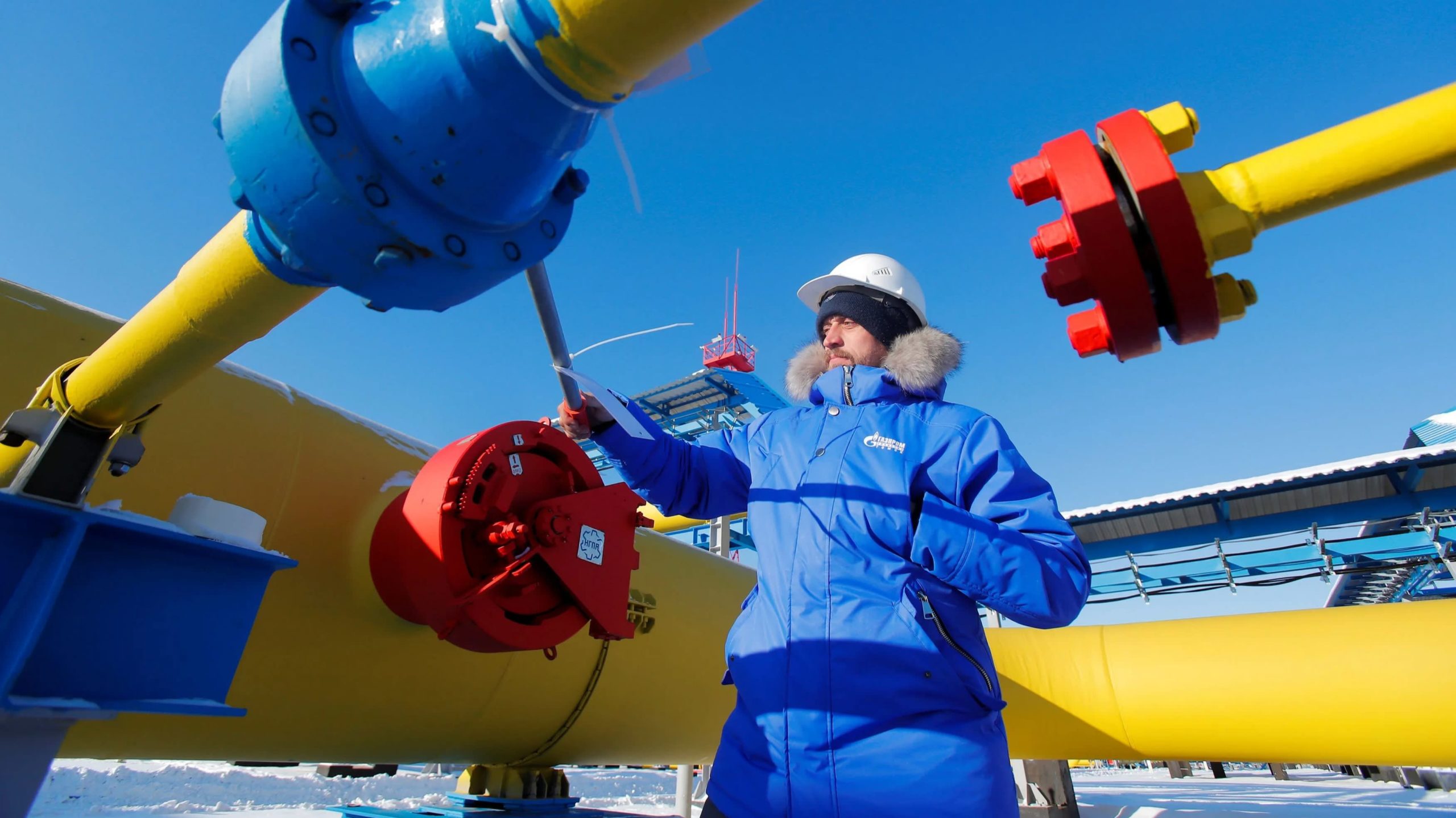
The new natural gas pipeline connecting Russia and China is the latest example of increasing collaboration between Moscow and Beijing in the Arctic Circle. The pipeline comes after China unveiled a plan nearly two years ago called the“Polar Silk Road,” expanding its campaign for influence to the Arctic. While Beijing has branded itself as a “near-Arctic state,” that far-stretched claim on the region is dependent on its partnership with Russia. In a $400 billion deal signed in 2014, the 3,000 km long “Power of Siberia” pipeline stretches from Russia’s Siberian fields to China’s historically coal-burning northeast.
Such a pipeline, which is the most significant energy project for Russia since the end of the Soviet Union, is not only a sign of positive relations now, but a binding tool that can become the basis of a positive relationship between the 2 superpowers in the long run.
Another project that has shown willingness to work together, is the first road bridge linking their two countries that Russia and China have finished building, Russian officials said on Friday. The bridge across the River Amur will connect the cities of Blagoveshchensk in Russia’s far-east region and Heihe in north-eastern China. It is intended to increase the volume of freight traffic and agricultural products between the two countries. The road is expected to open in spring 2020, Russia’s Ministry for the Development of the Russian Far East and the Arctic said. This is the latest sign of warming relations between the 2 countries and has been Russia’s reaction to China’s latest expansionist ideas.
Common enemy bringing the two together
The US has appeared to play a significant role in bringing Russia and China closer in recent years, as their imposing sanctions moved their attention from Russia to China. Both Russia and China are now suffering from US sanctions, the latter in the midst of a trade war as a result. This has given both Russia and China a common ‘enemy’, which they see as an opportunity to work together and seek mutual advantages to reduce the US’s influence. For that reason, relations are expanding beyond broader economic ties to deeper security cooperation, and analysts say that may eventually develop into some form of the military alliance.
In a meeting with Russian security council secretary Nikolai Patrushev in Beijing later on Monday, the Chinese leader made his concerns clear. “The United States and some other Western countries have increased their interference in the internal affairs of China and Russia, threatened the sovereign security of the two countries, and impeded their economic and social development,” Xi said. He said that China and Russia must cooperate to “safeguard their core interests and the common security of the two countries, and maintain regional and world peace and stability.”
This is a very serious threat to the US, and a consequence they did not foresee, when they entered the trade war, as now, should such an alliance spring up, the US’s interests in the region would immediately come under threat, and their geopolitical influence as a superpower as a whole would diminish.
Iran, China and Russia could form an imposing triple alliance
Another dimension to this is the intense stand-off with Iran that the US has been having in the Persian Gulf this year and since their voluntary exclusion from the nuclear deal. Iran has not only significantly fortified its alliance with Russia, prominently through common interests in Syria but is now strengthening military ties with China, as China is looking to help Iran reduce US influence in the Gulf.
Most recently, Iran has announced that it will hold joint naval drills with China and Russia starting on December 27, as confirmed by the head of Iran’s navy on Tuesday. Rear Admiral Hossein Khanzadi made the comments on the exercise, called Marine Security Belt, during a meeting with a Chinese military official in Tehran, Iran’s semi-official Fars news agency reported.
Last week, Khanzadi said that the drill would take place in the northern Indian Ocean, without announcing the date, Iran’s official IRNA news agency reported. Iran, China and Russia are all rivals of the US, now more than ever, which last month launched a naval operation in Bahrain to protect shipping in the troubled waters of the Persian Gulf.
Iran is pushing a “Hormuz peace” plan called HOPE. Now Iran says its Maritime Security Belt drill will go ahead on December 27. Iran wants to work more closely with China. Having Russia on board is a win as well for Tehran. China and Russia’s growing relations, and their willingness to work with Iran, all points to the formation of a military triple alliance in what they view as a US threat. It remains to be seen how the US will respond.