KJ ReportsKJ Reports

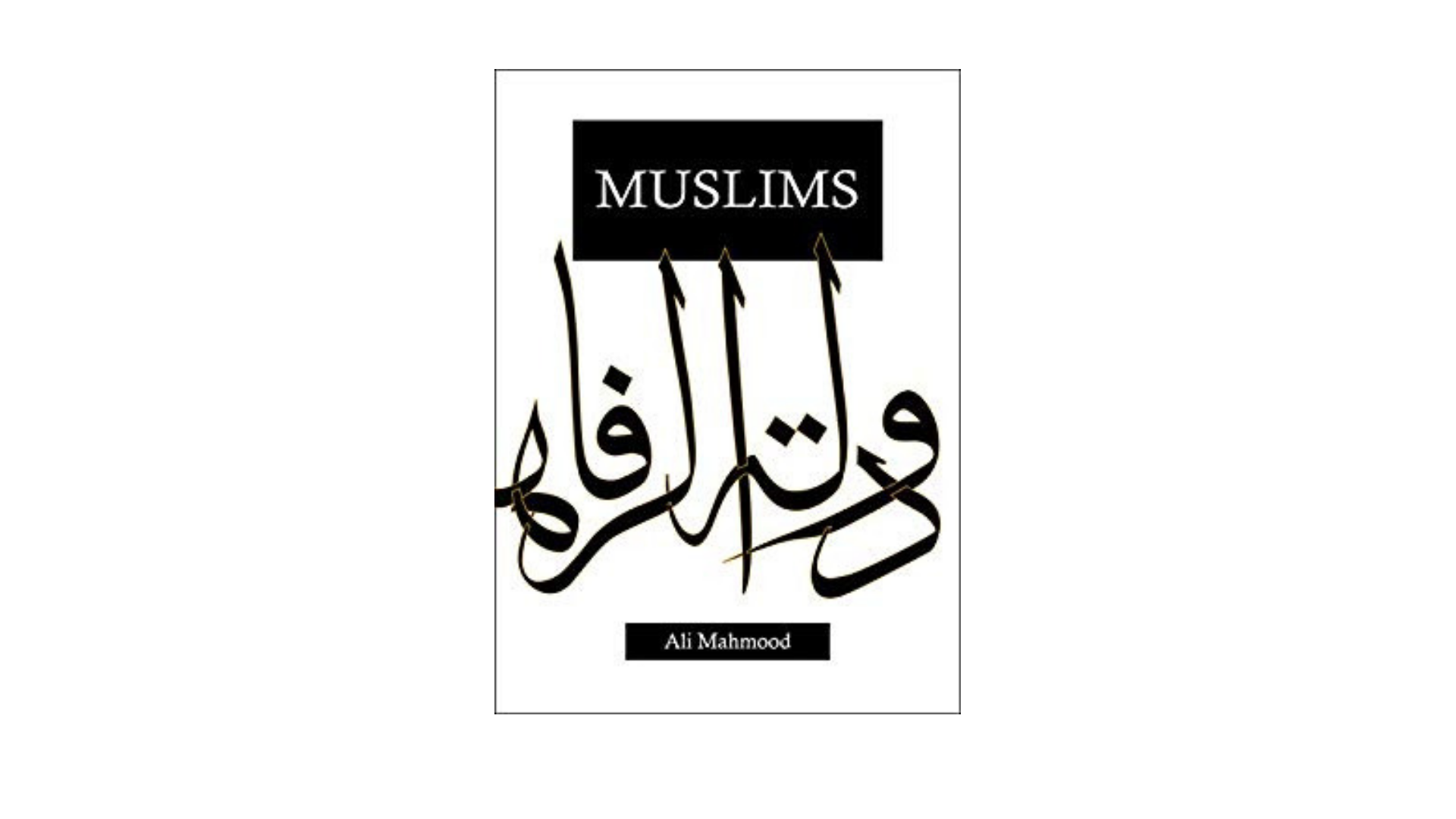
Buy “Muslims” by Ali Mahmood

19 October 2018528

Listen to this article

KJ narrates this report in his own voice

Buy “Muslims” by Ali Mahmood

From the seventh till the seventeenth century the Muslims dominated the world. Inspired by the Prophet and his emphasis on education, justice and social consciousness they created a civilization that led the world in knowledge, science, medicine, culture, architecture and quality of life. For a thousand years the Umayyads, Abbasids, Fatimids, Timurids, Ottomans, Safavids and Moguls ruled empires that astounded the world. This was the golden age of Islam while Europe slumbered in the dark ages. Then, in the seventeenth century the 98iEuropeans emerged as the new masters of the universe and the Muslims were cast down to the bottom of the heap. For three hundred years the Muslims suffered the indignities and deprivations of a conquered people. After the two World Wars of the twentieth century Europe and Great Britain’s monopoly of world power declined, the new Muslim states in the Middle East were born and great leaders started the long fight to re-establish their people. The rise of the Muslims was due to values that were endorsed by great men. After the Prophet and the four righteous caliphs, exceptional leaders, scientists and generals left their impact; men such as Saladin, Ibn Sina, Timur the World Conqueror, Mehmed and Suleiman the Ottoman sultans, Shah Abbas and Nader Shah of Persia, Baber and Akbar in India, and Shah Ahmad Durrani in Afghanistan.

 

Muslims

Related Intelligence

More articles
The Beijing Buffer: China’s Strategic Checkmate in the Persian Gulf
China

The Beijing Buffer: China’s Strategic Checkmate in the Persian Gulf

Beijing’s mediation of the US-Iran accord signals a fundamental shift in maritime power. By positioning itself as the indispensable guarantor of Gulf stability, China has effectively neutralized decades of Western naval dominance.

20 Jun 2026

The APRA Mandate: Australia’s Financial Hedging for a Post-US Order
United States

The APRA Mandate: Australia’s Financial Hedging for a Post-US Order

As Canberra adjusts its regulatory framework to account for intensifying geopolitical shocks, a deeper shift is occurring: Australia is decoupling its financial stability from the total reliance on the American security umbrella.

19 Jun 2026

The Silicon Strait: China’s Data Hegemony in the South China Sea
China

The Silicon Strait: China’s Data Hegemony in the South China Sea

Beijing is transforming the South China Sea from a contested waterway into a high-tech data corridor. By integrating AI infrastructure with maritime power, China is effectively bypassing the strategic vulnerability of the Malacca Strait.

18 Jun 2026

The Bismarckian Pivot: India’s German Deep-Tech Realignment
South Asia

The Bismarckian Pivot: India’s German Deep-Tech Realignment

As New Delhi systematically decouples from its legacy Russian military dependency, a new strategic architecture is emerging. Berlin is no longer just a trading partner; it is becoming India’s primary engine for industrial sovereignty.

17 Jun 2026

The Uralic Lever: Russia’s Strategic Pivot to New Delhi
Russia

The Uralic Lever: Russia’s Strategic Pivot to New Delhi

Moscow is trading short-term energy profits for a permanent strategic alliance with India. This shift signals the end of Russian dependency on European markets and the birth of a new Eurasian power axis.

17 Jun 2026

The Iranian Chokepoint: Why $200 Oil is Tehran’s Strategic Veto
Middle East

The Iranian Chokepoint: Why $200 Oil is Tehran’s Strategic Veto

As regional tensions escalate, Iran’s ability to throttle the Strait of Hormuz has transformed from a military threat into a sophisticated macroeconomic weapon designed to neutralise Western sanctions and leverage global energy markets.

16 Jun 2026