1. The Irish Border and the Backstop
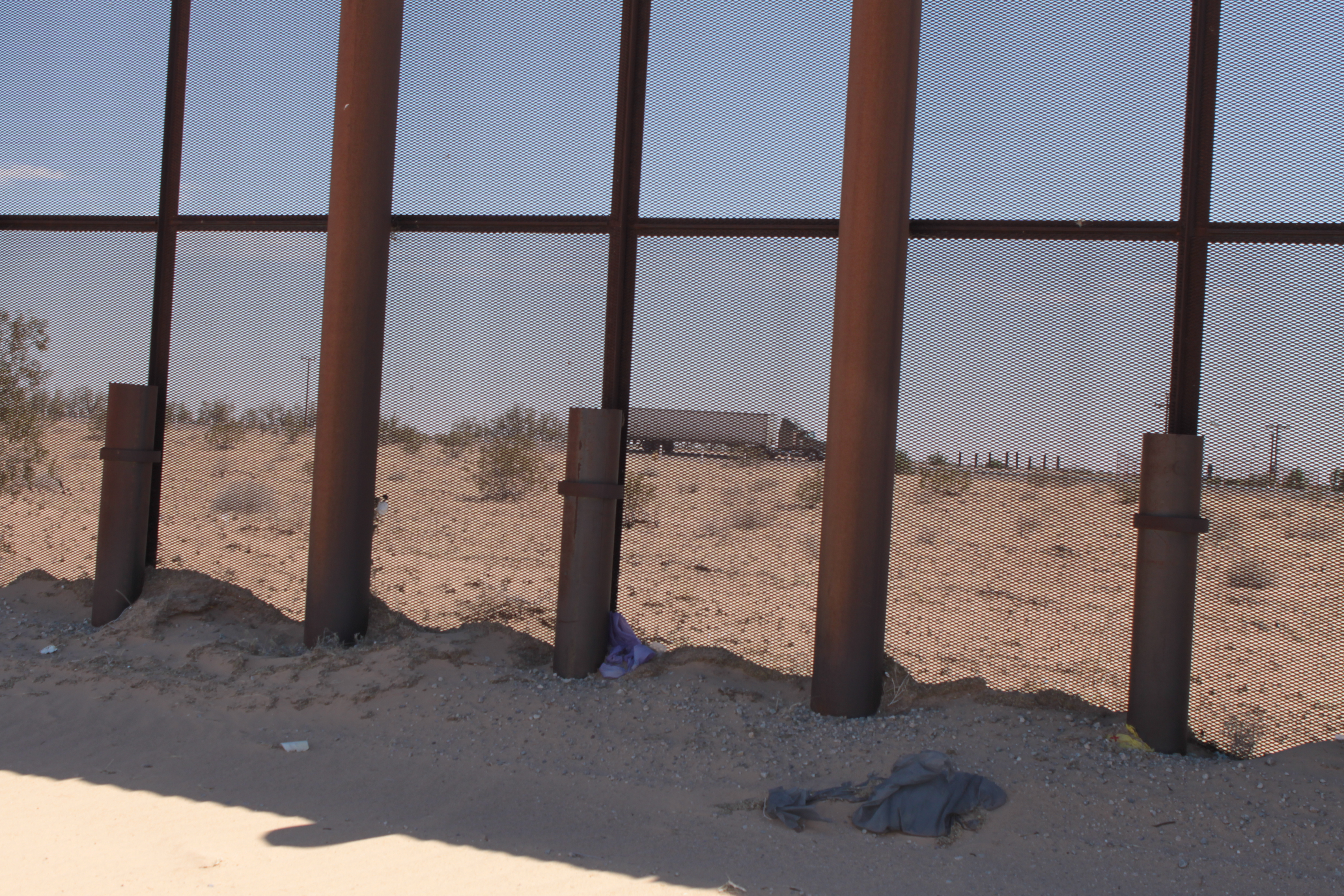
One of the major challenges of Brexit is the Irish border. In order to avoid border posts, Theresa May and the EU have agreed on a technical arrangement called the Backstop. Should the UK comes out without a deal, the UK and the EU would remain in a customs union. This would prevent the UK to negotiate its own trade deals. This is not to the taste of Boris Johnson who would like to get rid of the backstop and to negotiate the Irish border after getting out. However, this may prove impossible as the EU has made it clear that it would not negotiate any agreement without Backstop.
This was important for the two Irelands as border post might bring back memories of war to their inhabitants.
2. Imports and Exports
Leaving the EU without a Brexit deal would inevitably prompt the EU and the UK to abide by WTO rules. Under WTO law, the “most favoured nation” rule will have to be applied: the EU will not be able to treat the UK differently from other third countries unless they reach a trade agreement. To put it simply, it means that tariffs will b applied.
The sector that will probably suffer the most is probably agriculture as the tariffs used by the EU are rather high (up to 35% for dairy products). The farmers will lose the subsidies they received from the Common Agricultural Policies. Cars exporters are also likely to suffer as the EU apply a 10% tariffs on cars coming from outside its borders.
Boris Johnson has mentioned in many interviews that he would rely on Article 24 of the GATT: allowing the EU and the UK to trade without tariffs while a deal is negotiated. Sadly, the article 24 only covers goods and tariffs. The article would be useless in case of services and non-tariffs barriers. Sadly, for the Prime Minister, the EU has already stated that it would refuse to apply article 24 in case of a no-deal.
3. Citizens Rights
Boris Johnson has agreed to maintain the clause negotiated by Theresa May on citizens rights. The UK and the EU have both agreed to protect the citizen from one another and to maintain pre-existing rights.
4. Scotland
A part of the country who is not thrilled about a no-deal Brexit is Scotland. Scotland has always valued his connection with the continent and was opposed to Brexit. Consequently, Nicola Sturgeon (Scotland’s Prime Minister) clearly stated that a lack of deal will prompt her in starting a new referendum on independence.
5. Boris Johnson as a Negotiator
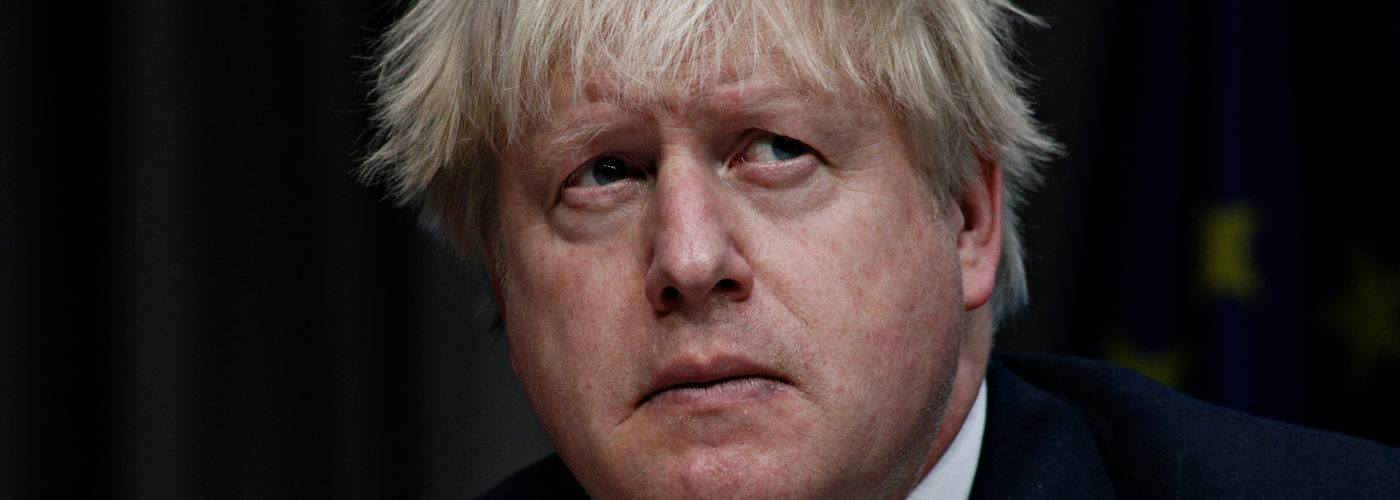
Boris Johnson has a reputation of being a manipulator and putting on an act when facing a difficult situation. His work as a journalist has involved creating fake news about the European Union. Thus, his EU counterparts may find him rather untrustworthy.
Additionally, he struggles with focusing on the details and dislikes technical issues. He has admitted in interviews that he has not read the article 24 of the GATT in its entirety. Coming to the table of negotiation unprepared is certainly a recipe for disaster.