KJ ReportsKJ Reports

America and Turkey, FRIENDS or FOES? – KJ Vids

27 August 20181,121

Listen to this article

KJ narrates this report in his own voice

America and Turkey, FRIENDS or FOES?  – KJ Vids

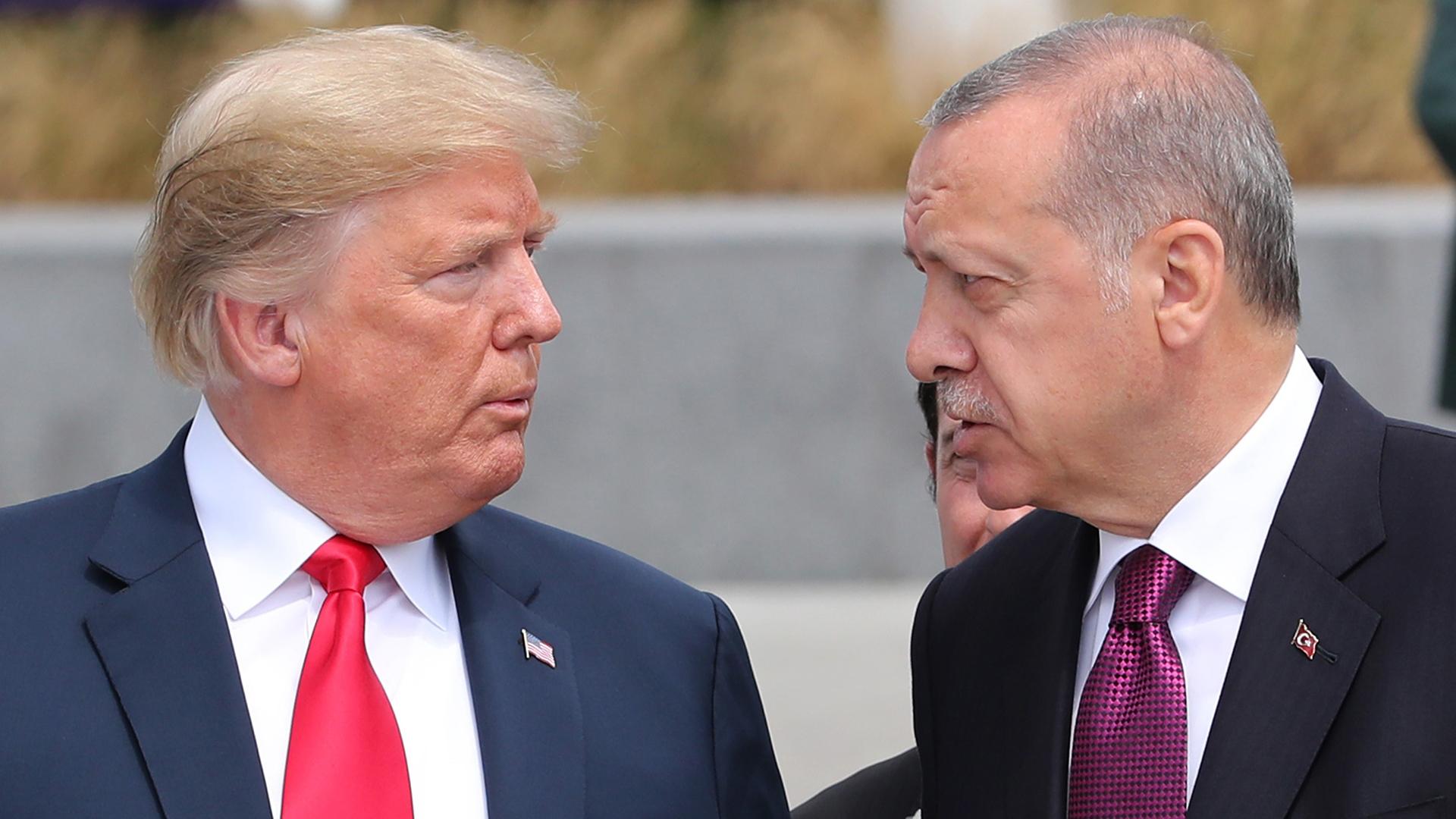
The close U.S.-Turkish relationship dates back to the early days of the Cold War. That’s when Turkey sent its troops to fight alongside U.S. soldiers in the Korean War. In return, Turkey become an important NATO member and a bulwark against Soviet expansionism in the eastern Mediterranean. As of 2018, Turkey’s armed forces are the fourth most powerful in the Alliance. And the Incirlik air base in Southern Turkey serves as a critical hub for U.S. fighter jets in their Middle East missions, particularly over Iraq and Syria.

But despite the current cooperation between the U.S. and Turkey, the strategic alliance and trust between the countries began to falter with the end of the Cold War. I’m Kasim, this is KJ Vids and in this video, we will look at the US-Turkish Relationship.

We hope you enjoyed and learn’t something new from our video. You can help us make more videos by supporting our crowdfunding campaign;

Patreon Link – https://www.patreon.com/kjvids
Fund My Page Link – https://www.fundmypage.com/kjvids

All Rights Reserved. Contact info@kjvids.co.uk if you are interested in licensing our content, advertising, require video editing services or would like to collaborate in other ways.
#america#erdogan#geopolitics#trump#turkey

Related Intelligence

More articles
The APRA Mandate: Australia’s Financial Hedging for a Post-US Order
United States

The APRA Mandate: Australia’s Financial Hedging for a Post-US Order

As Canberra adjusts its regulatory framework to account for intensifying geopolitical shocks, a deeper shift is occurring: Australia is decoupling its financial stability from the total reliance on the American security umbrella.

19 Jun 2026

The Iranian Chokepoint: Why $200 Oil is Tehran’s Strategic Veto
Middle East

The Iranian Chokepoint: Why $200 Oil is Tehran’s Strategic Veto

As regional tensions escalate, Iran’s ability to throttle the Strait of Hormuz has transformed from a military threat into a sophisticated macroeconomic weapon designed to neutralise Western sanctions and leverage global energy markets.

16 Jun 2026

The Security Deficit: Why Washington is Resigning as Global Underwriter
United States

The Security Deficit: Why Washington is Resigning as Global Underwriter

As domestic debt surges and populist sentiment hardens, the United States is quietly retracting its global security umbrella. This strategic withdrawal is forcing allies toward a messy, fragmented era of self-reliance.

16 Jun 2026

The Sovereign Sanctuary: America’s Retreat to Fortress North America
United States

The Sovereign Sanctuary: America’s Retreat to Fortress North America

As the 2026 World Cup begins, the United States is quietly pivoting from global ideologue to insular hegemon. By prioritising domestic stability over democratic export, Washington is redrawing the map of American power.

15 Jun 2026

The Atlantic Fracture: Madrid’s Defiance and the End of Iran Consensus
Middle East

The Atlantic Fracture: Madrid’s Defiance and the End of Iran Consensus

Spain’s strategic pivot away from the American-led containment of Tehran signals a profound breakdown in Western unity. As Madrid prioritises Mediterranean stability over Atlanticist aggression, the global mechanics of Iranian isolation are crumbling.

14 Jun 2026

The Shattered Shield: Why the Middle East Containment Era Is Over
Middle East

The Shattered Shield: Why the Middle East Containment Era Is Over

As direct hostilities between Iran and Israel bypass traditional Western red lines, the decades-long American strategy of regional containment has collapsed, leaving a vacuum where total war is now a structural probability.

14 Jun 2026