
KJ ReportsKJ Reports

Afghanistan: Scores Killed in One Off Kabul’s Worst Bombings

1 June 2017751

Listen to this article

KJ narrates this report in his own voice

Afghanistan: Scores Killed in One Off Kabul’s Worst Bombings

Read original article on Euro News or read some of the key points below;

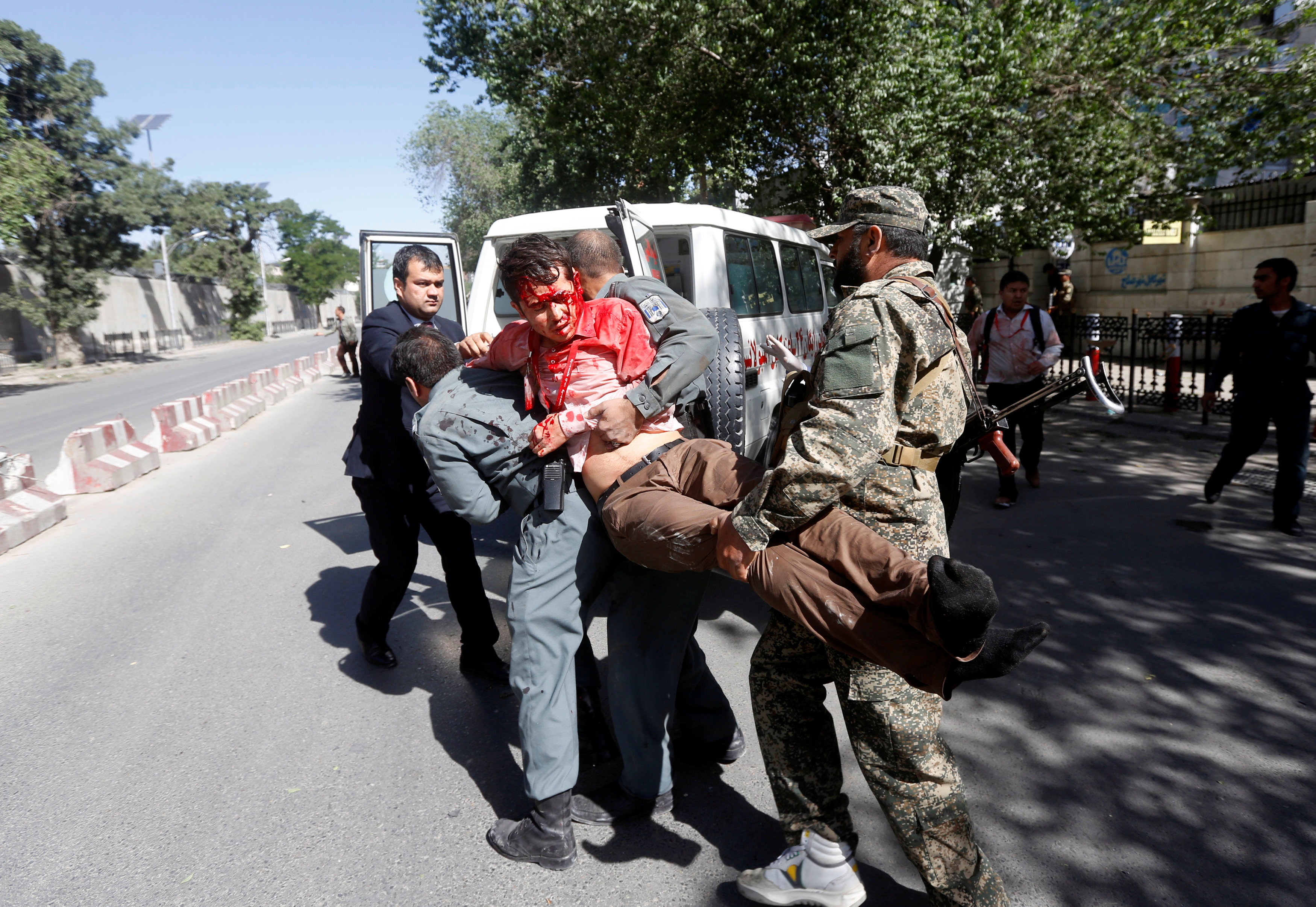
  1. One of the deadliest bomb blasts to hit the Afghan capital Kabul has killed scores of people and injured hundreds more – with most of the victims said to be civilians. The device, hidden in a tanker according to some reports, exploded in the morning rush hour at a busy junction close to the the diplomatic district.
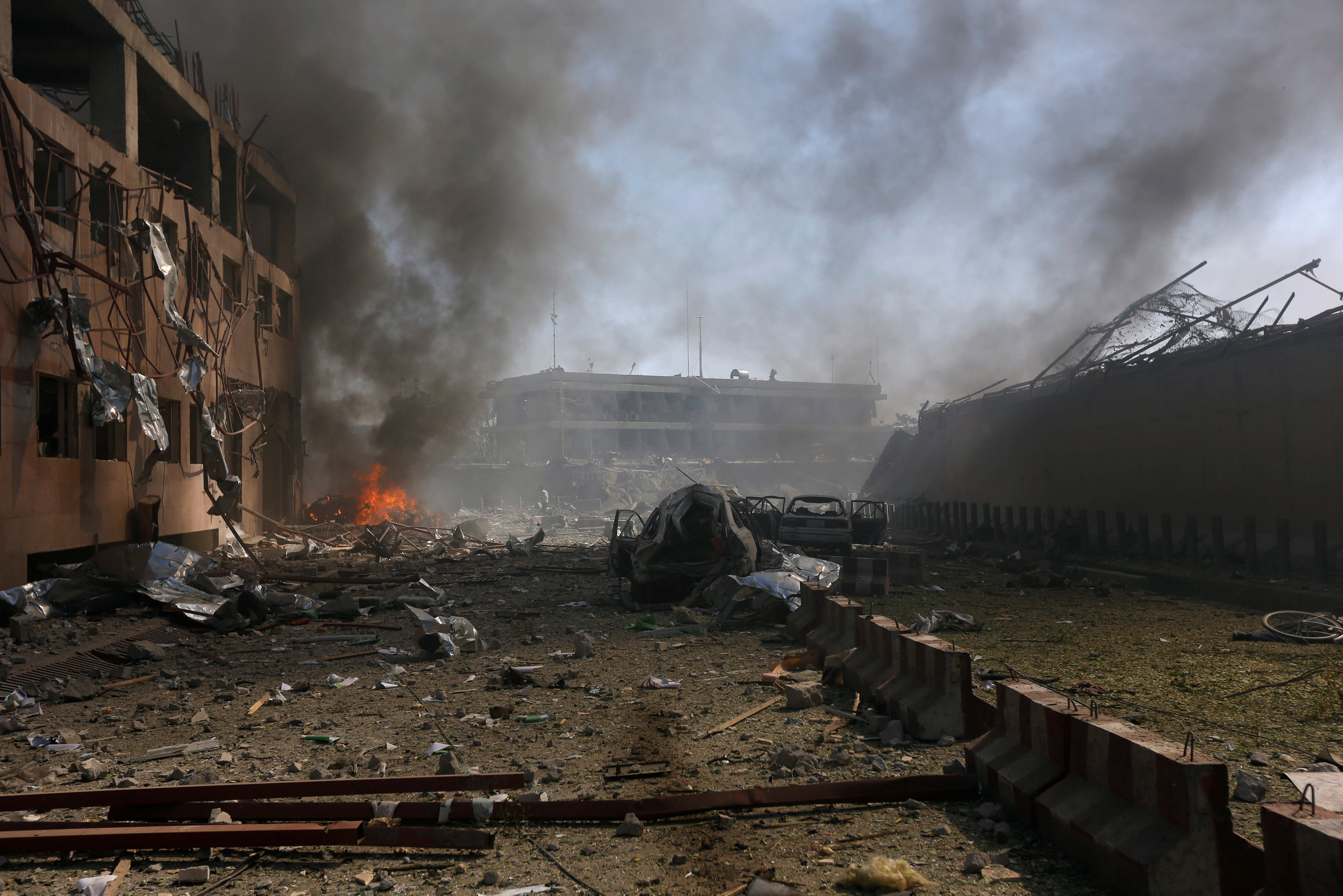
  2.  The blast was so strong that houses hundreds of metres away were damaged with windows and doors blown off their hinges. Clouds of black smoke could be seen spiralling over the centre of the capital.
  3. Afghanistan’s Deputy Interior Minister Murad Ali said the number of dead was at least 80 and that another 463 had been wounded. President Ashraf Ghani called the attack “cowardly”. A driver for the BBC was among those killed, and the US State Department said 11 American contractors suffered injuries that were not life-threatening.
  4. Police spokesman Basir Mujahid said the target of the blast was unclear. It seems the vehicle was stopped as it enters the area which is home to many foreign embassies, the presidential palace and government offices. Several embassies were damaged and the explosion caused a huge crater in the ground.
  5.  By evening local time no group had claimed responsibility; the Taliban denied involvement.
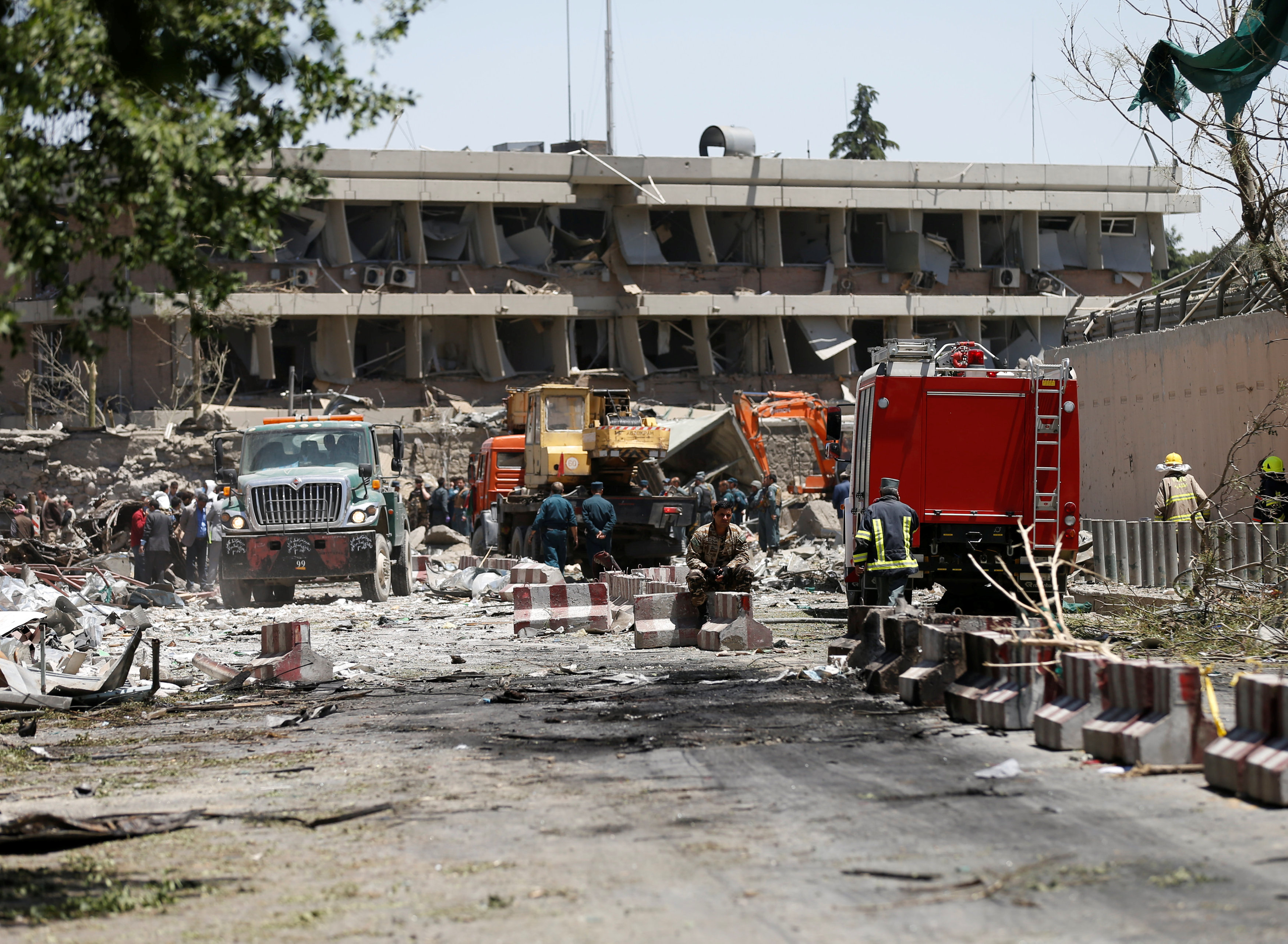
 

Afghan officials inspect outside the German embassy after a blast in Kabul, Afghanistan May 31, 2017. REUTERS/Mohammad Ismail

Damaged cars are seen after a blast in Kabul, Afghanistan May 31, 2017. REUTERS/Omar Sobhani
#afghan#afghanistan#casualties#kabul#kabul-bomb-blast#murad-ali#suicide-bomber-kabul

Related Intelligence

More articles
The Bismarckian Pivot: India’s German Deep-Tech Realignment
South Asia

The Bismarckian Pivot: India’s German Deep-Tech Realignment

As New Delhi systematically decouples from its legacy Russian military dependency, a new strategic architecture is emerging. Berlin is no longer just a trading partner; it is becoming India’s primary engine for industrial sovereignty.

17 Jun 2026

The Islamabad Pivot: Trading Strategic Depth for Economic Survival
South Asia

The Islamabad Pivot: Trading Strategic Depth for Economic Survival

Pakistan is discarding decades of military doctrine to position itself as the vital gateway for Central Asian trade. As domestic pressures mount, Islamabad is prioritising economic rent and connectivity over traditional territorial security.

15 Jun 2026

The Liquid Front: Why South Asian Security Rests on Melting Ice
South Asia

The Liquid Front: Why South Asian Security Rests on Melting Ice

As domestic pressures and climate shifts accelerate, the Indus and Brahmaputra river basins are no longer mere sources of life, but strategic assets being weaponised in a zero-sum game between nuclear powers.

1 Oct 2025

The New Delhi Pivot: Why Strategic Autonomy Survives the Great Split
South Asia

The New Delhi Pivot: Why Strategic Autonomy Survives the Great Split

India is defying the binary logic of the new Cold War. By leveraging Russian energy and American technology, New Delhi is transforming its non-alignment legacy into a sophisticated multi-aligned leverage play that few in the West fully comprehend.

1 Jun 2025

The Garrison State: Pakistan’s Invisible Constitution
South Asia

The Garrison State: Pakistan’s Invisible Constitution

As Islamabad faces a debt ceiling and internal unrest, the facade of civilian governance is thinning. Real power in Pakistan does not reside in Parliament, but in the institutional incentives of the General Headquarters in Rawalpindi.

1 Feb 2025

The Tiger’s Cage: The Structural Fragility of the Bangladesh Model
South Asia

The Tiger’s Cage: The Structural Fragility of the Bangladesh Model

Bangladesh transformed from a basket case into an export powerhouse through an unspoken social contract. As that contract dissolves, the state faces a reckoning between its industrial success and its institutional decay.

1 Oct 2024