Qatar normalization
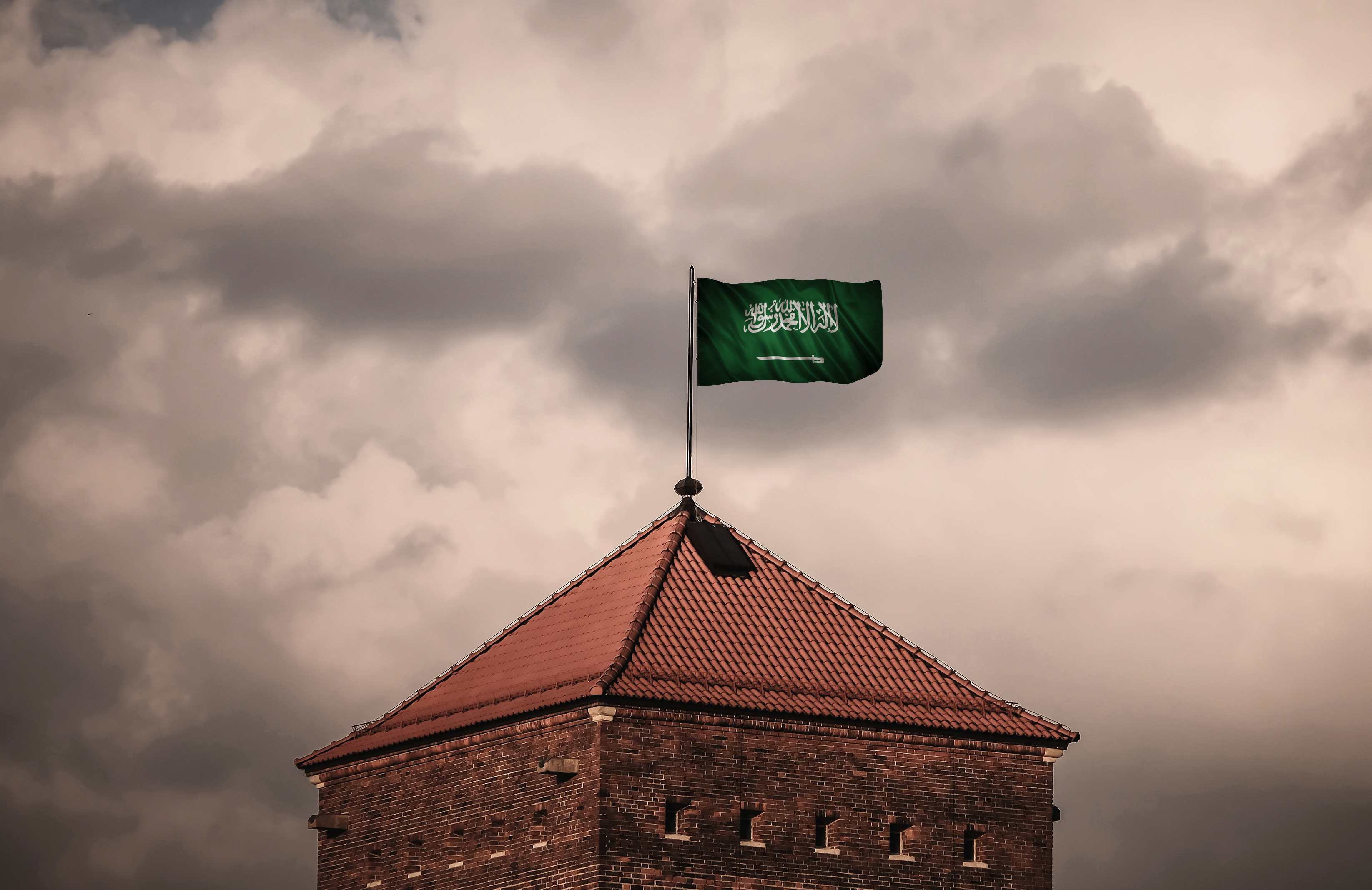
Earlier this month, Saudi Arabia reopened its airspace and land and sea borders with Qatar, in a breakthrough agreement aimed at ending the three-year diplomatic dispute with Doha.
Saudi Arabia and its three Arab allies agreed to restore full ties with Doha at a summit in the Kingdom, the Saudi foreign minister said.
Faisal bin Farhan Al Saud told a news conference after the gathering of Gulf Arab states, also attended by Egypt, that there was political will and good faith to guarantee implementation of the agreement to restore diplomatic and other ties, including resumption of flights.
Saudi Arabia led a coalition of countries in the Gulf and beyond that cut ties and transport links with Qatar in June 2017, charging that it was too close to Iran and backed radical groups allegations Doha has always denied.
“What happened today is… the turning of the page on all points of difference and a full return of diplomatic relations,” Prince Faisal bin Farhan told a press conference at the conclusion of a landmark regional summit in Saudi Arabia.
Leaders of the six-member GCC signed two documents on Tuesday, the Al Ula Declaration, named after the Saudi city where this year’s regional summit was held, and a final communique. Three GCC members, Saudi Arabia, the United Arab Emirates and Bahrain took part in the three and a half year blockade, alongside Egypt. Qatar is also a GCC member state, along with Kuwait and Oman, which remained neutral in the rift.
The documents are general in terms, but Crown Prince Mohammed said earlier that the Gulf states had inked an agreement that affirms “our Gulf, Arab and Islamic solidarity and stability”.
Under the agreement, Saudi Arabia pledged to open its airspace to Qatari planes on the condition Qatar Airways drops a $5 billion lawsuit against the four nations seeking damages for the blockade.
Since then both Saudi Arabia and the UAE have opened their land and air borders to Qatar, and re-established diplomatic ties.
Reparation of Saudi Turkey ties
Two years ago, relations between Turkey and Saudi Arabia stood at one of the lowest points in the history of the two regional powers following the murder in Istanbul of journalist Jamal Khashoggi.
His killing in October 2018 at the hands of Saudi agents in the kingdom’s consulate led to unprecedented Turkish denouncements of the Saudi government, highlighting what it said was the role of those close to Crown Prince Mohammed bin Salman, the country’s de facto ruler, in the assassination plot.
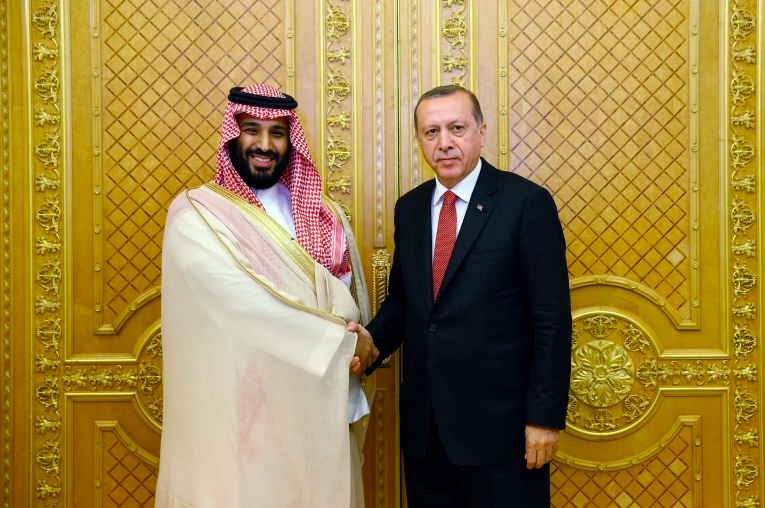
Today, however, ties between Ankara and Riyadh appear on the verge of a return to cordiality, thanks in part to the detente between Turkey’s ally Qatar and the four-nation Saudi-led bloc that imposed an embargo on Doha in 2017.
The move to end the blockade of Qatar was welcomed by Turkish President Recep Tayyip Erdogan as “very beneficial”.
He added: “We hope that our position in Gulf cooperation will be re-established. This will make Gulf cooperation stronger.”
Now, Qatar is ready to mediate between Turkey and Saudi Arabia, a Qatari official said Monday.
Mutlaq Al-Qahtani, special envoy of the Qatari foreign minister for combating terrorism and mediation in the settlement of disputes, made the offer in a statement.
Speaking at a symposium dubbed “Policy and Experience of the State of Qatar in Mediation and Conflict Resolution” organized by the Doha Institute for Graduate Studies, the envoy responded to a question about Qatar’s willingness to mediate and ease tensions between Turkey and Saudi Arabia or between Saudi Arabia and Iran.
“This is due to the principle of consent as a basic principle in international relations.”
“If these two countries see that the State of Qatar has a role in this mediation, then it is possible to do so,” Al-Qahtani said.
“It is in everyone’s interest that there be friendly relations between these countries,” he added.
Despite the strained ties between Turkey and Saudi Arabia, Erdoğan late November discussed ways of enhancing ties with King Salman in a rare phone call since the killing of Saudi journalist Jamal Khashoggi in 2018.
Furthermore, Turkish Foreign Minister Mevlüt Çavuşoğlu met with his Saudi Arabian counterpart Faisal bin Farhan al Saud during an Organisation of Islamic Cooperation (OIC) summit in Niger’s capital Niamey. The meeting was also a first between the two ministers since the killing of Jamal Khashoggi in 2018, and came a week after Turkish President Recep Tayyip Erdoğan spoke on the phone with Saudi King Salman bin Abdulaziz al Saud to discuss issues related to the G20 summit.
“A strong Turkey-Saudi Arabia partnership will be beneficial not just for our countries, but for the whole region,” Çavuşoğlu said in a tweet, calling his meeting with the Saudi minister “sincere.”
Turkey values its relations with Saudi Arabia, Çavuşoğlu said. The precedent is therefore already set for Qatar to mediate ties.
Obstacles to overcome
Despite these positive signs, some prominent obstacles remain. Most recently, Greek media reports about Riyadh’s intention to send F-15 aircraft to the Souda military base on the Greek island of Crete has raised concerns in Turkey, as reflected in the reactions of local media.
The Greek City Times reported the news of joint military exercises between Greece and Saudi Arabia in the near future. Thus, Haberler newspaper spoke about a “threat to Turkey” and indicated that the Saudi F-15 aircraft will be flown by Greek pilots.
On the other hand, Turkish newspaper Zaman only reported news of the manoeuvres and a plan to send Saudi fighter jets to Greece as part of military cooperation between Riyadh and Athens, in light of the tension in the Eastern Mediterranean and the alliances resulting from this in recent months.
Greece and Greek Cyprus have conducted several military manoeuvres since last summer in the Eastern Mediterranean “in cooperation with its allies against Turkey,” according to Zaman newspaper.
Greece decided to ally with Saudi Arabia after engaging the United Arab Emirates, Egypt, France, the US and Israel in the same alliance.
Another stumble block could be the recent release of the Documentary ‘The Dissident’ which accuses the Saudi Royal family of links to the murder of Khashoggi. Turkish government officials were involved in the documentary.
Despite this, Saudi Arabia’s fear of the challenges to come from the Biden administration, could be the major factor in overcoming these obstacles to reach a renewed level of ties.
Biden’s focus on climate change is a concern for Saudi Arabia because it will result in reduced demand for crude, the engine of its economy. By ending the blockade against Qatar, the involved countries may be sending a message to the incoming Biden administration that they are willing to cooperate with a new Middle East policy when Biden comes into power, and the same could happen with Turkey.