The Era of American Extroversion is Over
The kickoff of the 2026 World Cup across North America represents more than a sporting milestone. It marks the symbolic completion of the United States’ transition from a missionary power to a sanctuary power. For nearly a century, American influence was defined by the outward projection of its capital, its military, and its political systems. Today, the focus has inverted. The US is no longer interested in remaking the world in its image; it is interested in insulating itself from a world that it can no longer control.
According to current reporting, the geopolitical landscape in mid-2026 reflects a deepening preoccupation with internal structural integrity and regional consolidation. In education and soft power, institutions are shifting focus; for instance, a delegation from Taiwan is currently participating in the 2026 NAFSA Conference in the US to review achievements in gender equality and educational exchange, highlighting a preference for bilateral technical cooperation over broad ideological crusades. Domestically, the American legal and political system is grappling with its own mechanics, with ongoing debates regarding redistricting in states like Virginia and the continued influence of specialised legal training at institutions like the Ave Maria School of Law on the national discourse. Meanwhile, international attention remains fixed on the tournament’s opening stages in Mexico and South Africa’s return to the spotlight, signalling a more fragmented, multi-polar cultural world.
The Incentive of Inwardness
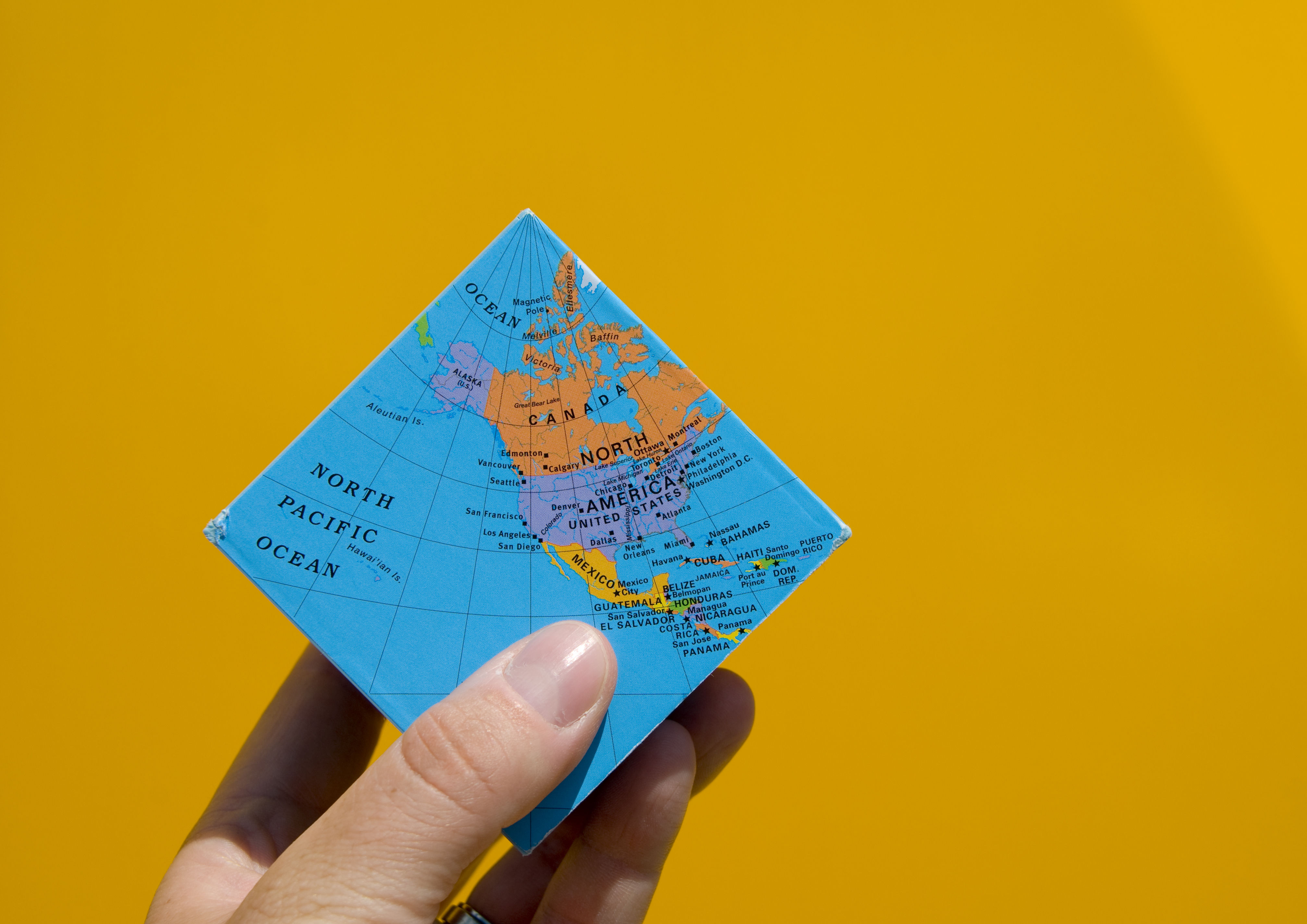
Why is this happening now? The primary incentive for the US federal government is no longer the expansion of the 'liberal international order', but the preservation of the domestic social contract. The costs of global policing have become politically unviable. When the US exports democracy, it imports instability in the form of overextended supply chains, migration pressures, and inflationary military spending. By shifting toward 'Fortress North America'—exemplified by the joint hosting of the World Cup with Canada and Mexico—Washington is prioritising a regional 'Sovereign Sanctuary'.
The US has realised that its greatest strategic advantage is not its ability to occupy foreign lands, but its geography. Enclosed by two oceans and two friendly (and economically integrated) neighbours, the US is the only superpower that can afford to be insular. In a world facing climate-driven upheaval—with environmental monitoring in nations like India becoming critical for global survival—the US is using its technology and capital to build a high-walled garden rather than a global village.
The Historical Parallel: The Withdrawal of the Legions
We have seen this pattern before. In the late 4th century, the Roman Empire stopped trying to expand its borders and began the process of limitanei—settling soldiers on the frontiers to defend the core. The focus shifted from conquest to maintenance. Similarly, the US is not 'declining' in a total sense; it is 'consolidating'. It is pulling back its cultural and political expectations to a manageable perimeter. Like Rome, the US is finding that the cost of maintaining the periphery is higher than the value the periphery provides. The 2026 World Cup is the modern equivalent of a Roman Triumph—not for a new conquest, but to celebrate the stability of the existing domain.
What Most People Miss: The Technology of Isolation
Most analysts view the current US stance as 'isolationism'. This is a mistake. It is 'selective engagement'. What people miss is how technology enables this shift. The US no longer needs to export its political values to secure its interests. Through automation, shale energy, and advanced manufacturing, the economic necessity of being the 'world’s policeman' has evaporated. The export of 'Democracy' was always a security product designed to create stable markets for American goods. Now that the US is increasingly self-sufficient in energy and high-end tech, that product is obsolete. The US isn't leaving the world stage; it is changing the terms of its appearance from 'inclusive leader' to 'exclusive landlord'.
Strategic Consequences
- The End of the Security Umbrella: Middle-tier powers in Europe and South Asia can no longer rely on American ideological alignment as a guarantee of military support.
- Regional Integration: America, Canada, and Mexico will become a singular economic fortress, making the North American bloc the most stable and self-contained market on earth.
- The Rise of Local Hegemons: As the US stops policing global commons, countries like India will take a more prominent role in regional environmental and maritime security.
- Value Realism: American diplomacy will become transaction-heavy. Agreements will be based on hard assets—chips, energy, and minerals—rather than human rights or democratic norms.
What to Watch
- The North American Perimeter: Watch for new trilateral security agreements between the US, Canada, and Mexico that go beyond trade and into integrated border and data surveillance.
- The Dollar’s Domestic Shift: Increased friction in international settlements as the US uses the dollar more as a defensive weapon and less as a global utility.
- Strategic De-risking: Continued relocation of critical manufacturing from East Asia to the 'Sovereign Sanctuary' of North America.
The KJ Verdict
The United States is not falling; it is hunker-downing. For decades, the world mistook American expansionism for a permanent state of being. It was actually a temporary phase of the post-Cold War era. The 2026 World Cup serves as a grand re-opening of the North American continent as a private club. The 'American Century' didn't end; it simply became a members-only experience. Those outside the sanctuary will find a world that is colder, more chaotic, and increasingly indifferent to the ideological leanings of Washington. The shift from exporting democracy to buying stability is the most significant geopolitical pivot of our lifetime.