KJ ReportsKJ Reports

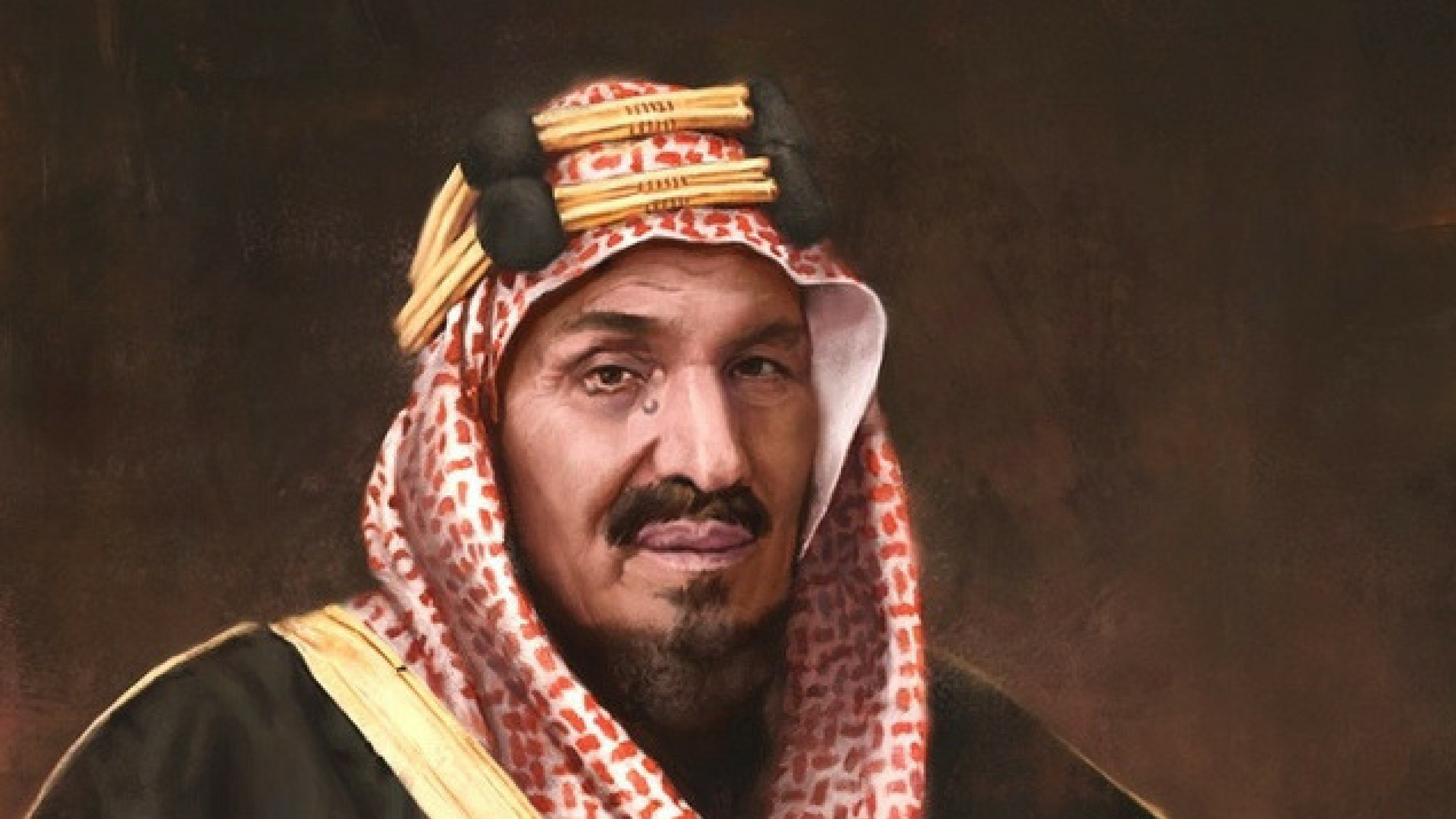
The Rise of Ibn Saud

11 July 20171,838

Listen to this article

KJ narrates this report in his own voice

The Rise of Ibn Saud

Following the Arab revolt, Sherif Hussein proclaimed himself King of all the Arab countries, but the British government was prepared to recognise only his control of the Hijaz.

Learn More and find references at – kjvids.co.uk/the-rise-of-ibn-saud

Confrontation over the future of Arabia ensued between Hussein and another British protégé. Abdul Aziz Ibn Saud, a rising power in central Arabia whose forces had captured the Nejd region with its capital at Riyadh.

Don’t forget to subscribe to our YouTube Channel

Become a KJ Patreon so we can produce more and better content
https://www.patreon.com/kjvids

Sign up to our website and submit video suggestions:
www.kjvids.co.uk

Like our Facebook page for exclusive updates:
https://www.facebook.com/KJVids

Follow us on Instagram for our one minute vids:
https://www.instagram.com/kjvids2016

Follow us on Twitter to be informed when we post:
https://twitter.com/kjvids2016

#abdul-aziz-ibn-saud#arab-revolt#british-colonialism#ibn-saud#lawrence-of-arabia#mark-curtis#ottoman-empire#saudi-arabia#saudi-history#sharif-hussain#sherif-hussein#sherif-of-makkah

Related Intelligence

More articles
The Sudano-Sahelian Vacuum: A New Continental Struggle for Power
History

The Sudano-Sahelian Vacuum: A New Continental Struggle for Power

The collapse of the Sudanese state has created a geopolitical void that is forcing a radical rearmament across the Sahel. This is no longer local civil war; it is a structural race for African resource sovereignty.

16 Jul 2026

The Ankara Schism: NATO as a Transactional Clearinghouse
History

The Ankara Schism: NATO as a Transactional Clearinghouse

Turkey is no longer a peripheral partner but a central disruptor. By prioritising regional sovereignty over collective security, Ankara has transformed NATO from a mutual defence union into a marketplace for national interests.

13 Jul 2026

The Ghost of Radcliffe: Why 1947 Still Governs 21st-Century Asia
History

The Ghost of Radcliffe: Why 1947 Still Governs 21st-Century Asia

Geographic partitions are not historical events; they are active geopolitical engines. In South Asia, a hasty retirement from Empire created a structural instability that ensures permanent mobilisation and restricts the rise of two nuclear powers.

15 Mar 2026

Pax Mongolica: The Hard-Power Blueprint for Global Integration
History

Pax Mongolica: The Hard-Power Blueprint for Global Integration

Modern globalisation is often framed as a Western invention. In reality, the 13th-century Mongol Empire established the first template for a borderless economy, proving that global trade requires a single, ruthless security guarantor to function.

15 Jan 2026

The Dollar Pact: Why Bretton Woods Never Actually Ended
History

The Dollar Pact: Why Bretton Woods Never Actually Ended

The 1944 Bretton Woods agreement is often treated as a historical relic. In reality, its core architecture remains the primary engine of American hegemony, weaponising global trade through a system of structural dependency that has no peer.

15 Oct 2025

The New Feudalism: Why the Westphalian Order is Withering
History

The New Feudalism: Why the Westphalian Order is Withering

The nation-state is not dying, but it is losing its monopoly on power. As digital territories and corporate spheres of influence supersede physical borders, we are witnessing the gradual return of pre-Westphalian overlapping jurisdictions.

15 Jun 2025