
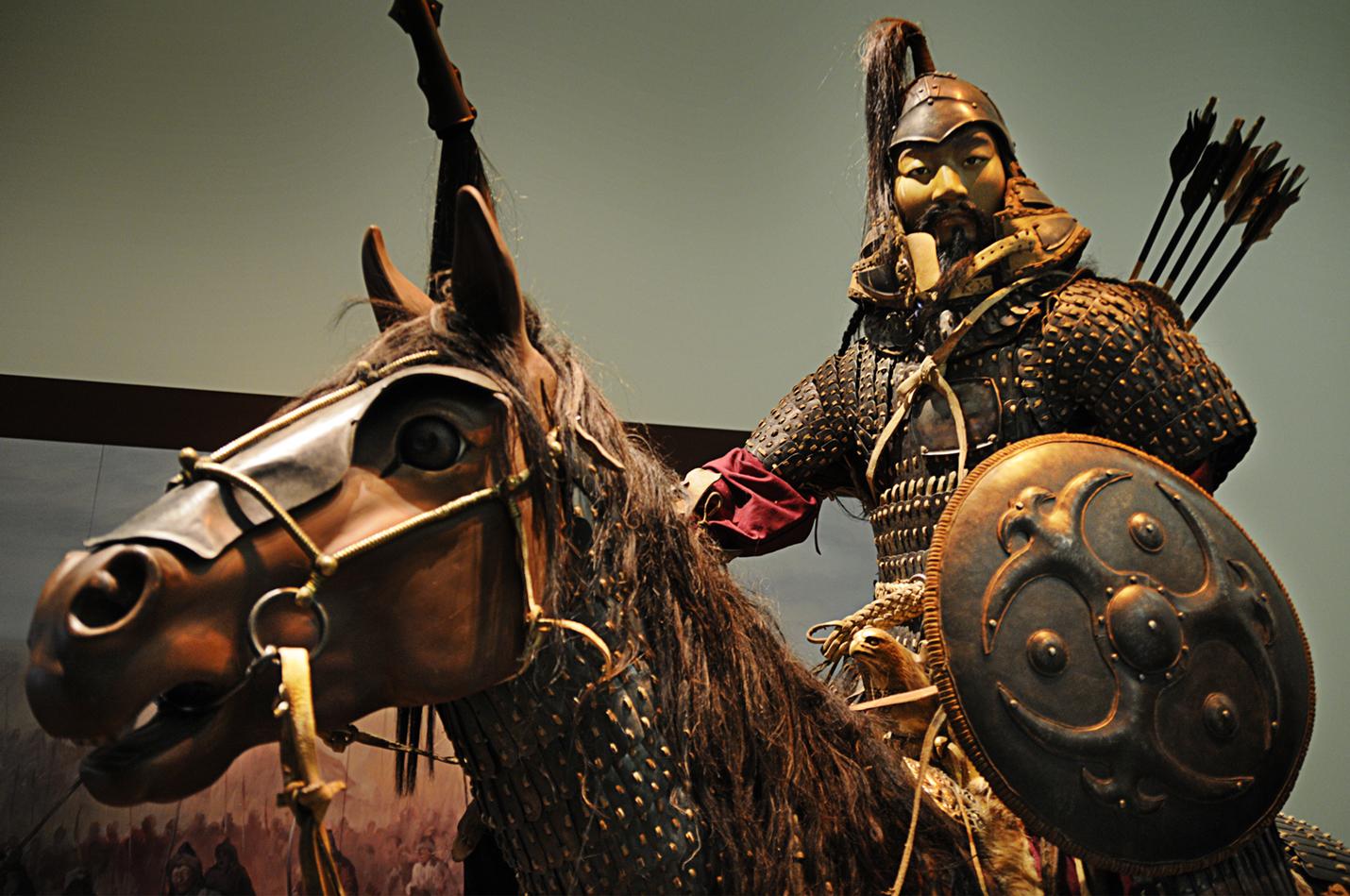
The Mongols in the Middle East
9 April 20191,375
Listen to this article
KJ narrates this report in his own voice
Listen to this article
KJ narrates this report in his own voice
A deepening alliance between Sudan’s Rapid Support Forces and Ethiopia is redrawing the map of East Africa, isolating Cairo and threatening the historic hegemony of the Nile’s downstream power.
19 Aug 2026
Tehran’s decades-long defiance of the unipolar order has moved from isolation to a blueprint for middle-power resistance, as Iran leverages geography and historical grievances to outlast Western influence in the Levant.
18 Aug 2026
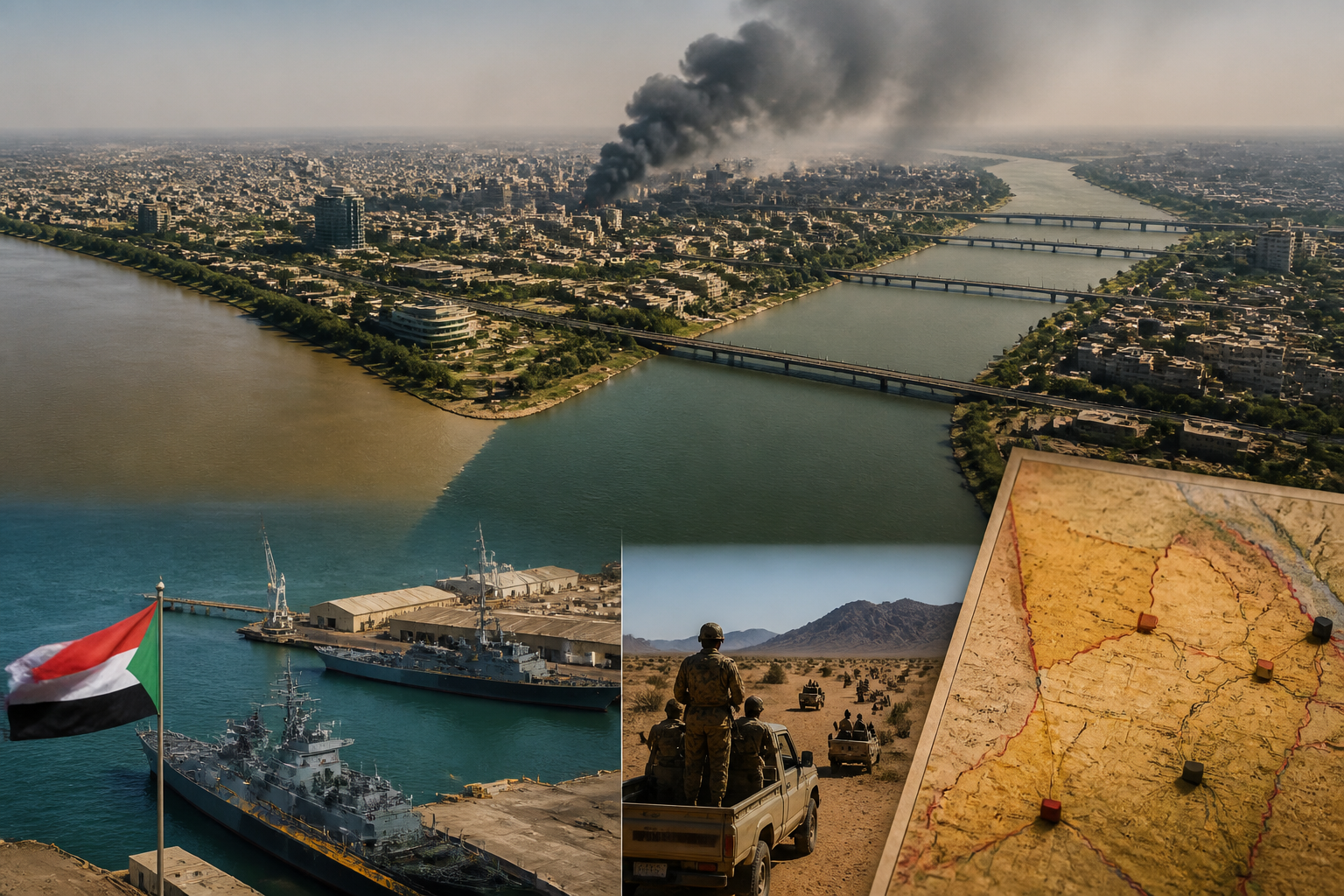
The collapse of the Sudanese state has created a geopolitical void that is forcing a radical rearmament across the Sahel. This is no longer local civil war; it is a structural race for African resource sovereignty.
16 Jul 2026
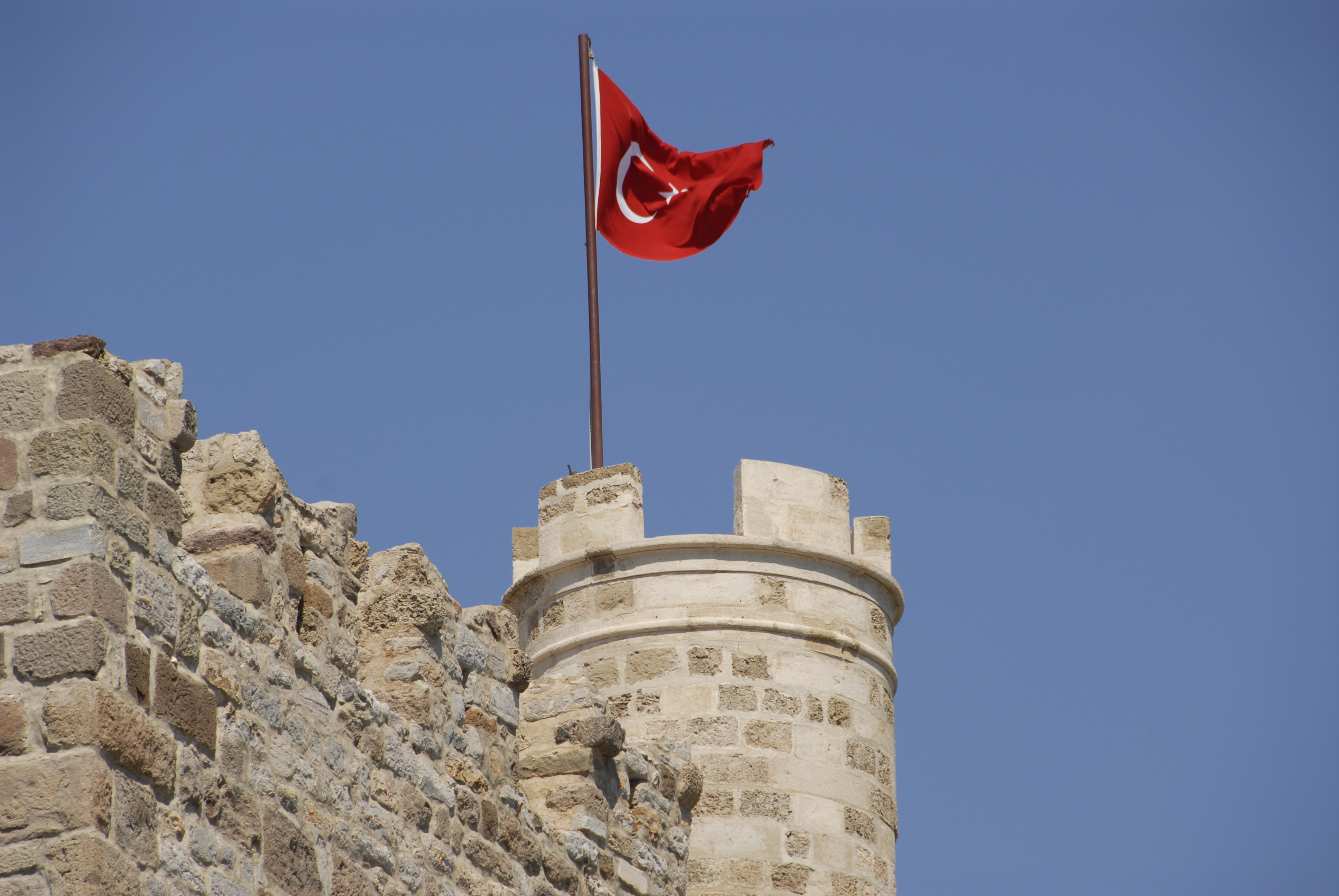
Turkey is no longer a peripheral partner but a central disruptor. By prioritising regional sovereignty over collective security, Ankara has transformed NATO from a mutual defence union into a marketplace for national interests.
13 Jul 2026

Geographic partitions are not historical events; they are active geopolitical engines. In South Asia, a hasty retirement from Empire created a structural instability that ensures permanent mobilisation and restricts the rise of two nuclear powers.
15 Mar 2026

Modern globalisation is often framed as a Western invention. In reality, the 13th-century Mongol Empire established the first template for a borderless economy, proving that global trade requires a single, ruthless security guarantor to function.
15 Jan 2026