▶ Check out my gear on Kit: https://kit.com/kjvids
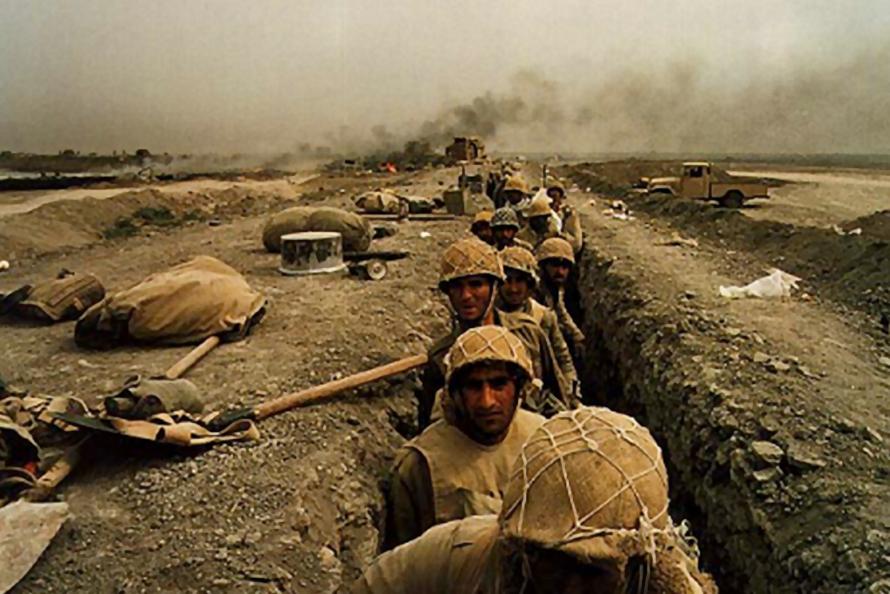
On 22 September 1980, Iraq invaded Iran triggering a bitter eight-year war which destabilised the region and devastated both countries.
The issues that divided the two countries included nationalistic rivalry as well as immediate disputes over frontiers and navigation rights.
Saddam Hussein felt directly threatened by the Islamic revolution which had brought Ayatollah Khomeini to power in Iran the year before.
Thus, for Saddam Hussein, the war’s purpose was pre-emptive: to overthrow the Khomeini regime before that regime could overthrow him.
In the first month of fighting, Iraq occupied about 10,000 square miles of Iranian territory along a front running 375 miles north to south.
However, Iraqi casualties were higher than anticipated, and the Iranian resistance was much stiffer than expected.
Between November 1981 and May 1982, Iran mounted a series of counter-attacks that drove the Iraqi forces back across the border and placed Iraq on the defensive.
For the next six years, the war was fought mainly on Iraqi soil, and there were moments when it appeared that either the port city of Basra or the capital, Baghdad, would fall to Iran.
But for most of the period from 1982 to 1988, the conflict settled into a dreary war of attrition that resulted in appalling casualties.
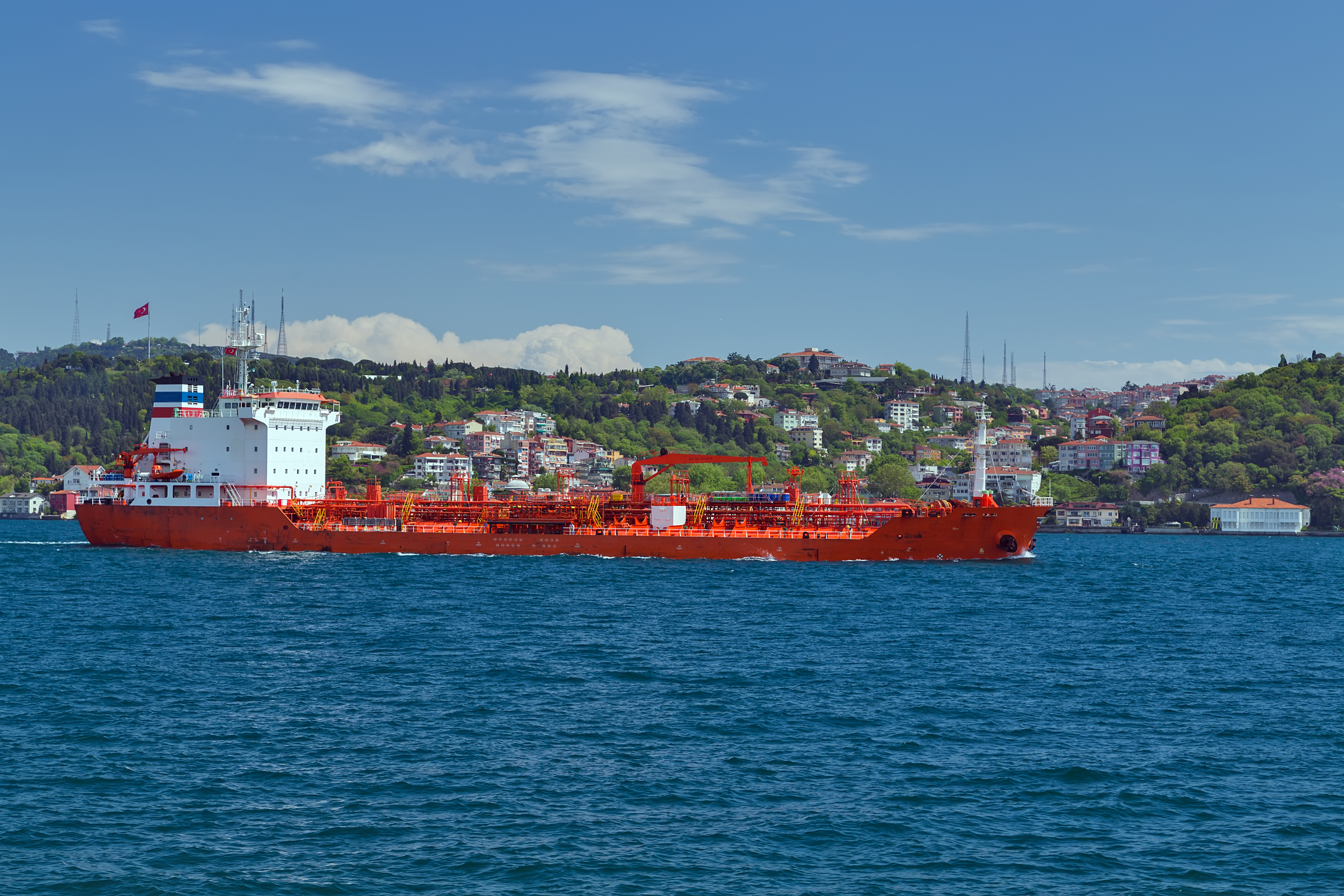
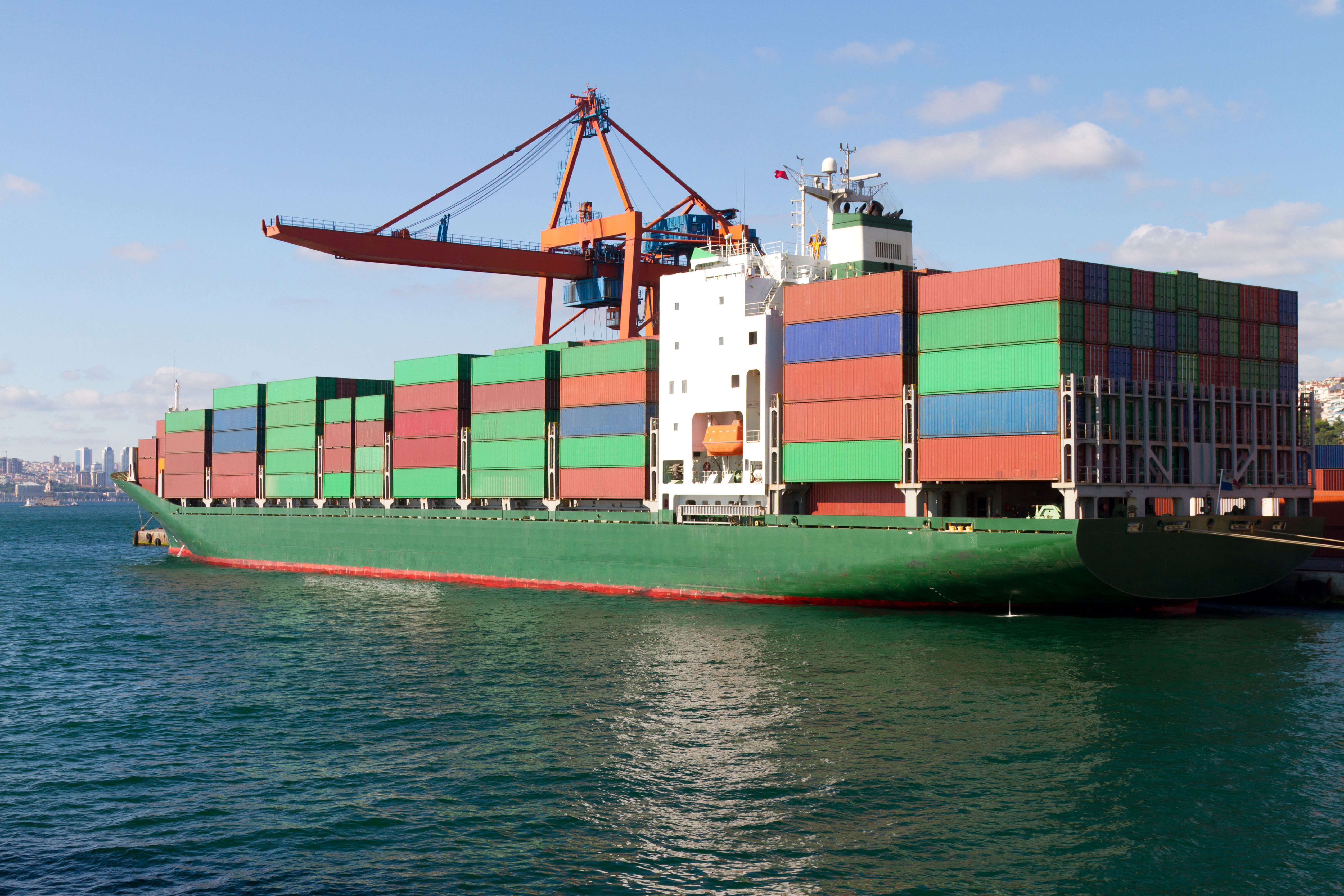
In 1984 the war of attrition spread to the shipping lanes of the Persian Gulf when Iraq, in an attempt to reduce Iran’s oil-exporting ability, started to attack tankers bound for Iranian ports.
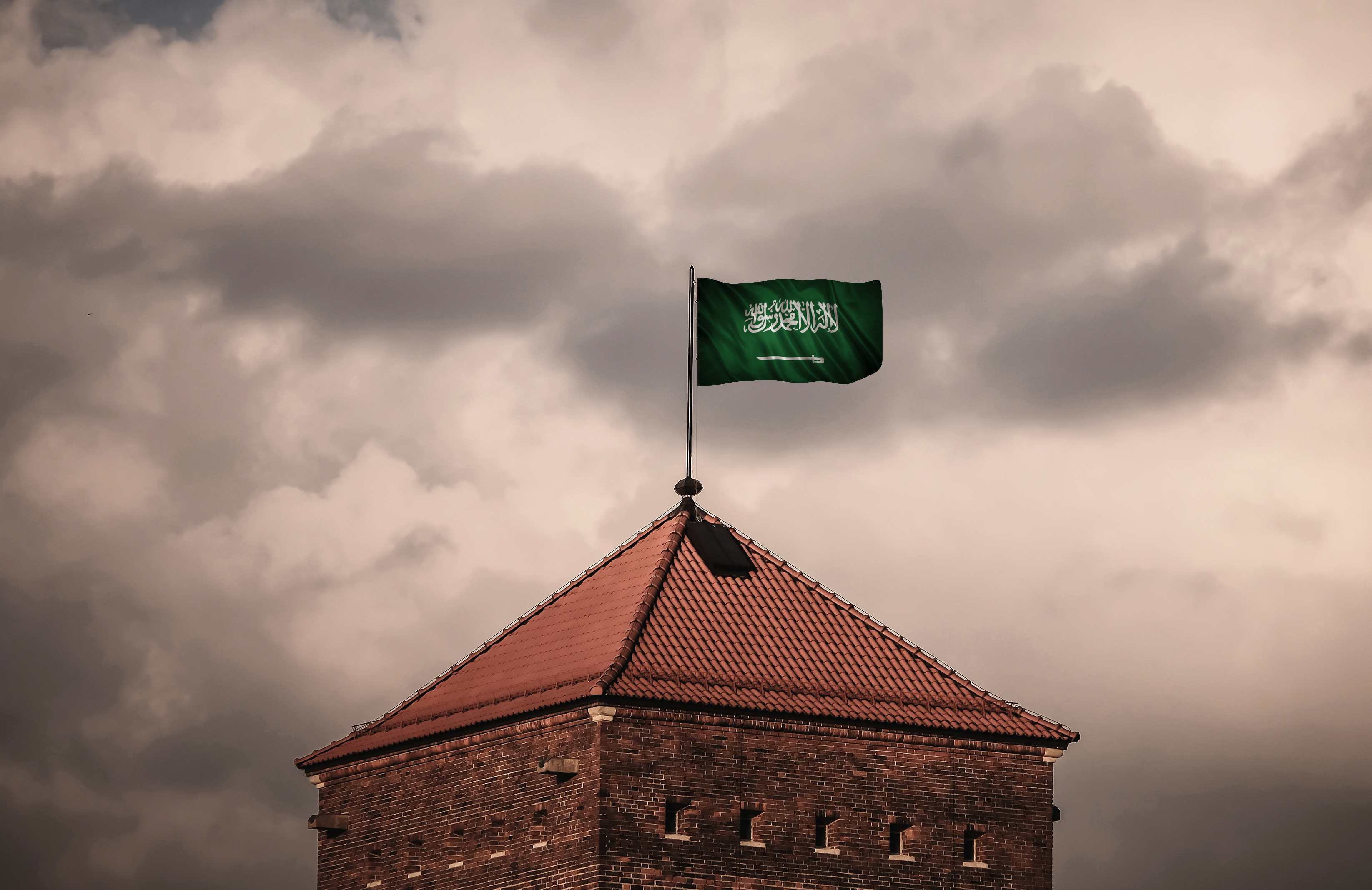
Due to attacks against ships that traded with Kuwait and Saudi Arabia, Iraq’s major Gulf allies, Iraq was forced to borrow abroad to finance its war effort.
Kuwait and Saudi Arabia were the major lenders, and together they supplied Iraq with between $50 billion and $60 billion worth of assistance during the war.
Throughout the war, the Soviet Union was also Iraq’s major arms supplier. But Western powers also came to Baghdad’s aid.
France, which was deeply involved in several large development projects in Iraq, provided Husayn’s forces with Mirage jets and Super-Etendard war planes equipped with Exocet missiles.
The United States also pressured its allies not to sell weapons to Iran and, in the final year of the war, campaigned for an embargo against Iranian oil.
When Iran stepped up its attacks on Kuwaiti shipping in 1987, the United States allowed Kuwait’s vessels to fly the US flag, thus making an attack on them equivalent to an attack on a US ship.
Washington also reinforced its naval presence in the Gulf, and on several occasions in 1987 and 1988, US gunboats engaged in direct military actions against Iran.
For the United States in the 1980s, the demon of the Middle East was Ayatollah Khomeini, not Saddam Husayn, and Washington was willing to ignore the brutality of Husayn’s regime.
On August 20, 1988, a UN-sponsored cease-fire took effect, and the long war finally ended. Nothing, it seemed, had changed.
The costs of achieving so little were staggering. Iran’s war dead were estimated at 262,000, Iraq’s at 105,000.
Don’t forget to subscribe to our YouTube Channel
Support our content by donating to fundmypage.com/kjvids
Website – www.kjvids.co.uk
Facebook – www.facebook.com/KJVids
Twitter – www.twitter.com/kjvids2016
Instagram – www.instagram.com/kjvidsofficial
All Rights Reserved. Contact info@kjvids.co.uk if you are interested in licensing our content, advertising or working with us in other ways.