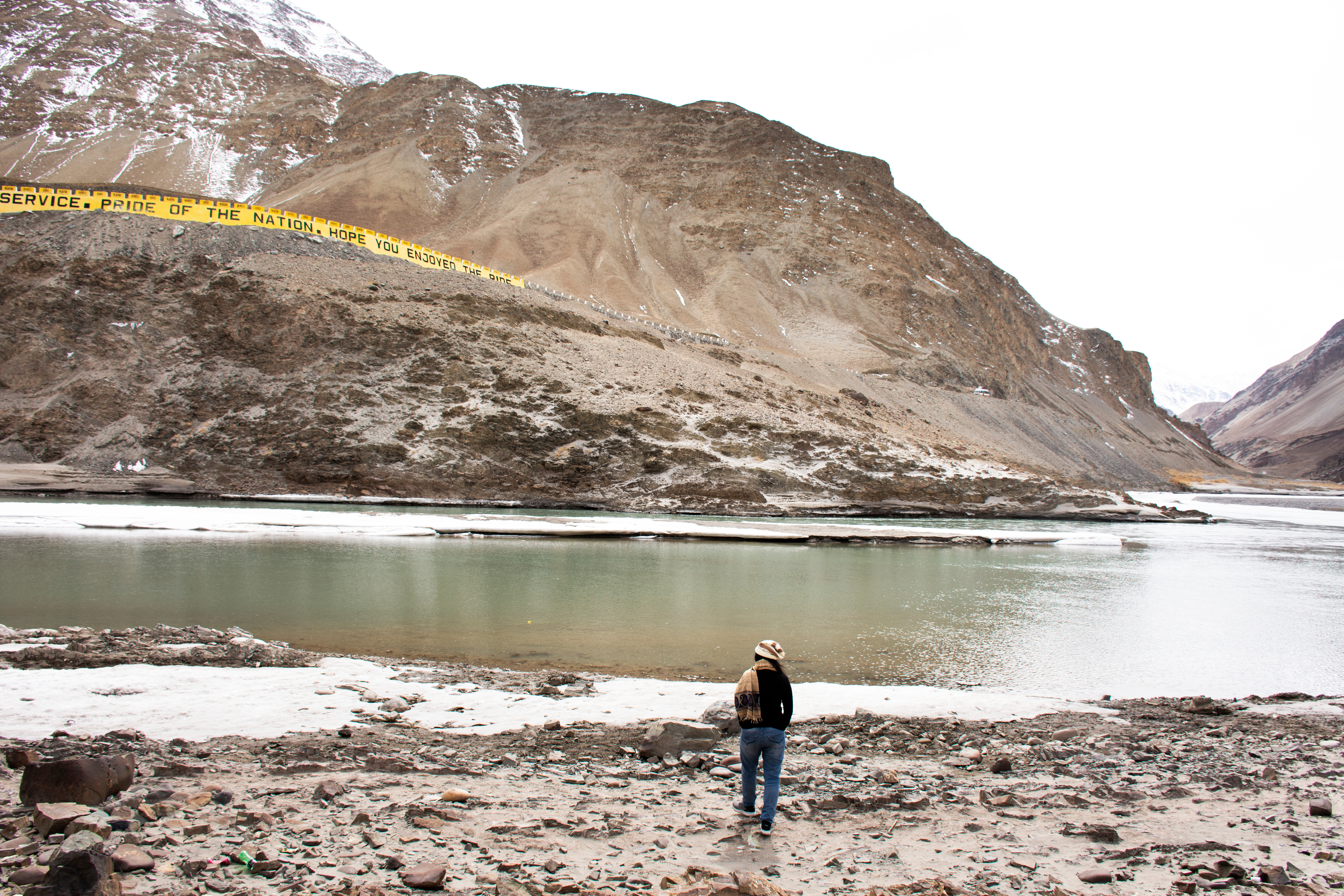
Geography is a static reality that dictates fluid politics. For six decades, the Indus Waters Treaty (IWT) served as the world’s most successful piece of hydro-diplomacy, surviving three wars and countless border skirmishes. Today, that architecture is dismantling. New Delhi has moved from a posture of technical adherence to one of strategic leverage. The shift is not a momentary reaction to border tensions; it is a calculated reconfiguration of power. India is learning to use its upstream geography as a primary instrument of statecraft, transitioning from a status quo power to a hydrological hegemon.
The End of Technical Patience
The immediate trigger for the current friction is India’s construction of the Kishenganga and Ratle hydroelectric projects. While Pakistan views these as violations of the treaty’s design standards, India views them as sovereign rights to domestic energy security. However, the legalistic arguments over turbine depths and pondage levels mask a deeper structural change. India has issued formal notices to modify the 1960 treaty—a move traditionally considered unthinkable. The incentive is clear: in an era of climate volatility, the luxury of strategic restraint has become an unaffordable cost.
India’s northern plains are thirsty. As groundwater levels plummet and the monsoon becomes more erratic, the political cost of allowing water to flow into Pakistan without first extracting maximum utility—whether through power generation or storage—has risen. Prime Minister Modi’s previous declaration that "blood and water cannot flow together" was the rhetorical opening. The reality is now institutionalised in the Ministry of Jal Shakti. India is no longer asking for permission; it is creating facts on the ground and inviting the world to adjudicate the aftermath.
The Incentive of Insecurity
Why now? The answer lies in the intersection of demography and decoupling. As India seeks to replace China as the world’s manufacturing hub, its energy demands are projected to grow faster than any other major economy. The Himalayan rivers represent a vast, untapped battery. To leave this resource unexploited for the sake of a Cold War-era treaty is, in the eyes of New Delhi’s current strategic planners, a form of self-sabotage.
Conversely, for Pakistan, the Indus is not just an energy source; it is a life-support system. Ninety percent of Pakistan’s agriculture depends on these waters. By asserting control over the timing and volume of these flows, India gains a non-kinetic weapon that far exceeds the utility of its nuclear arsenal. In a conventional conflict, a nuke is unusable. In a grey-zone conflict, a dam is a dial that can be turned to increase domestic pressure on a rival state without firing a single shot.
Historical Parallel: The Nile and the Tigris
We have seen this script before. The historical parallel is the Turkish GAP project on the Tigris and Euphrates. By building a massive network of dams, Ankara effectively subordinated the downstream interests of Syria and Iraq. Turkey leveraged its upstream position to secure its borders and project power, regardless of international outcry. Similarly, Ethiopia’s Grand Renaissance Dam has fundamentally shifted the balance of power in North Africa, forcing Egypt to negotiate from a position of unprecedented weakness. India is following this global trend: the era of the transboundary water treaty as a sacred text is ending, replaced by the reality of the upstream sovereign.
What Most People Miss: The China Factor
The standard analysis focuses almost entirely on the India-Pakistan dyad. This is a mistake. What most observers miss is that India’s hardening stance is a defensive mirror of China’s actions. China is the ultimate upstream power, controlling the headwaters of the Brahmaputra (Yarlung Tsangpo). As Beijing accelerates its own dam-building in Tibet, New Delhi realizes it cannot demand restraint from China while showing extreme deference to Pakistan.
India’s shift is a signal to Beijing. By asserting its rights as an upstream power against Pakistan, India is establishing a precedent of "state necessity" that it intends to use to justify defensive water infrastructure on its eastern flank. It is a three-way geopolitical game where the smallest player, Pakistan, faces the highest risk of being squeezed out of the equation.
Second-Order Effects: Erosion of International Mediation
The move toward water hegemony will likely break the World Bank’s role as a neutral arbiter. For decades, the Bank has been the guarantor of the IWT. By bypassing the traditional dispute resolution mechanisms, India is signaling that international institutions are no longer the primary forum for regional issues. This leads to a more fractured, bilateral world where the stronger party dictates terms. The second-order effect is a potential spike in sub-conventional warfare. If Pakistan feels its existential water security is threatened, the incentive to utilize proxy groups to target Indian infrastructure becomes an act of perceived survival rather than mere provocation.
What to Watch
- The Permanent Indus Commission Meetings: Watch for a shift from technical agendas to stalled sessions or outright boycotts. This is the pulse of the relationship.
- Storage Capacity Infrastructure: Any announcement of new large-scale storage reservoirs (rather than just run-of-river projects) indicates a breach of the treaty’s core spirit.
- Chinese Dam Progress on the Brahmaputra: Synchronised escalations here will force India to accelerate its Northern Indus projects.
- Satluj-Yamuna Link (SYL) Canal domestic politics: How India manages internal water disputes between Punjab and Haryana often dictates its external hardness.
"In the 20th century, the Indus was a bridge for peace. In the 21st, it is becoming a moat for protection."
The KJ Verdict
The Indus Waters Treaty is terminal. It may not be formally scrapped, but it is being hollowed out until only the shell remains. India’s transition to hydrological hegemony is a logical response to its domestic energy needs and the aggressive regional environment. For investors and analysts, the takeaway is clear: South Asia’s primary flashpoint is no longer just the Line of Control, but the flow of the rivers that cross it. Pakistan’s stability is now directly tied to Indian domestic infrastructure policy. In the struggle between legal precedent and geographic reality, geography is winning. Expect India to continue building, irrespective of international arbitration, as it secures the resources necessary for its rise as a global power.